
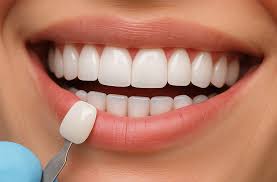
Dental veneers can transform your smile. They cover the front of your teeth and improve color, shape, and size. Many people choose veneers for a brighter and more even look.
Before you start, it is important to understand the cost. This guide explains what you may pay per tooth and what affects the final price.
What Are Dental Veneers?
Veneers are thin shells placed on the front of teeth. They are usually made from porcelain or composite resin. Porcelain veneers are strong and look natural. Composite veneers cost less but may not last as long. Dentists bond veneers to your teeth to improve appearance. The process may take one or two visits, depending on the type you choose.
Before placing veneers, the dentist may remove a small amount of enamel. This helps the veneer fit better and look more natural. Some people may need temporary veneers while waiting for the final ones. Veneers can fix many issues such as chips, gaps, and stains. They are often chosen by people who want a quick cosmetic improvement without braces or whitening treatments.
Average Cost Per Tooth
The cost of veneers can differ based on material and location. On average, porcelain veneers range from $900 to $2,500 per tooth. Composite veneers usually cost between $250 and $1,500 per tooth. Many people get multiple veneers at once, which can increase the total cost quickly. Some clinics offer payment plans to help manage expenses. It is always best to ask your dentist for a detailed quote before starting treatment.
Costs may also vary depending on the country or city where you get treatment. High-end clinics may charge more due to advanced tools and better facilities. Some dentists include consultation and follow-up visits in the total price, while others charge separately. You should always ask what is included in the fee to avoid surprises later.
Factors That Affect the Cost
Several factors influence how much you will pay. The experience of the dentist plays a big role. Skilled cosmetic dentists may charge more, but they often deliver better results. The type of material also matters. Porcelain costs more because it is durable and stain-resistant. The number of teeth treated will also affect the total price.
Another factor is the dental lab used to create the veneers. High-quality labs may charge more, but they produce better-looking results. The complexity of your case can also increase costs. For example, uneven teeth or bite issues may require more preparation. The location of the clinic also matters. Clinics in big cities or popular areas often have higher prices due to higher operating costs.
In some cases, extra procedures like cleaning or reshaping teeth may add to the cost. If you want a deeper breakdown, the price varies depending on your specific needs and location.
Learn More About the Cost of Veneers
Veneers offer a fast way to improve your smile. The cost per tooth can vary widely, but understanding the basics helps you plan better. Consider the material, dentist, and number of teeth involved.
While veneers can be expensive, many people find the results worth it. Always consult a trusted dentist to explore your options and choose what works best for your needs.
If you’d like to learn more, check out more articles on our blog.
Visit More : widemagazine.co.uk
