
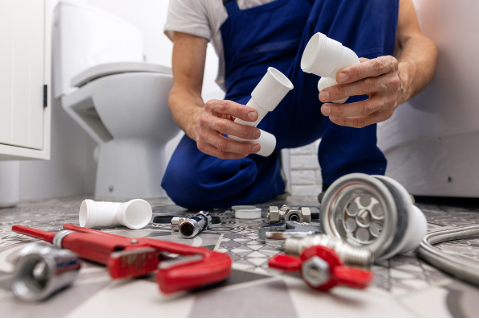
A boiler is used in almost every house to keep the water warm, and then the warm water flows through the pipes and keeps the house warm in cold weather. So, a boiler is essential, and even a small fault or leak can cause a big problem that can be dangerous.
To avoid any faults, regularly check the boiler. And if a fault occurs, like a leak or any unpleasant noise, you should be alert and check the boiler immediately. In case of an emergency, you can contact Emergency Plumber in Oxford, who will repair your boiler on the same day.
Key Takeaway
Here are some points that you should know
- Modern heating systems include water, pipes, gas and electrical systems.
- Correct fault identification ensures safety and cost-effectiveness.
- Common boiling noise issues, such as gargling and whistling, help to identify the problem.
- Routine maintenance and checklists help prevent major problems.
Why Identifying the Root Cause Matters for Proper Repair
Identifying the right cause helps you save time and is cost-effective. Here are a few:
- First of all, differentiate between electrical and pipe problems. An electrician can handle electrical problems, while a plumber cannot repair the circuit wiring.
- Systematic checks that include the supply circuit, water pressure system and radiation system help identify problems.
- Gas leakage and electrical faults are serious problems that concern safety.
- Proper diagnosis helps keep your family safe while keeping the heating system working effectively.
Common Plumber-Related Boiler Problems and Their Signs
When the heating system causes problems like low distribution of heat or low heating of water, symptoms include a pipe leak. This helps you communicate effectively with a professional.
Low Heating Pressure
A pressure gauge provides effective information about the system’s health. A normal reading is set at 1.5, while a reading lower than 1 indicates a high potential for leakage. If the leakage is not visible or there is no leakage, repressurize the system to help maintain the desired level of heating. If, after repressurizing, it does not maintain the correct level, you should contact a professional.
Leaking Unit: Identify Source and Severity
Moisture around the system is an alarming sign of a pipe leak. A leak can originate from different units, like a pressure valve, pump seal and pipe connections. These leaks can occur due to corrosion or at the time of installation. Persistent dripping can make the system worsen. With these, a professional can help identify a part replacement or system renewal.
Radiator Fault and Circulation Issues
Cold patches on radiators signal trapped air. This issue prevents heat distribution throughout the room. Bleeding radiators helps trapped air to release and restore the heat. A persistent cold section might indicate a problem with the circulation. Sludge or mould buildup in the pipes and system disturbs the circulation.
Uneven heating across different radiators is related to balancing and circulation problems. Proper radiator bleeding maintenance helps restore function. These radiator and circulation faults are usually related to water-related faults that include visible moisture and pressure-related changes.
Preventive Measuring Tips
Preventive measuring tips help your system run effectively and smoothly. Here are some tips that help you to maintain safety and protect your system from any problems:
Regular Serving
Annual servicing is crucial to keep the system working smoothly. Regular cleaning helps prevent the buildup of plaque and mould in the system that affects the boiler system and helps identify early risks before they escalate.
Installing Filters
Installing magnetic filters can capture limescale and sludge. Monitoring the system regularly helps identify the tear and wear system and leaks.
Monitoring System Health
Regular monitoring of the system helps prevent potential risks by identifying early signs. Early identification of leaks and different noises that are a sign of an air trap helps to solve problems early and prevent the system from severe damage.
When to call a Plumber
The right time to call a plumber is when you notice any of these:
- Any pipe defect that causes leakage
- Pressure irregularities even after repressurizing.
- Consistent pressure under 1
If you detect any of these problems, you can call a plumber in Southampton who helps to protect your system from severe damage.
Conclusion
Carefully understanding the problems, whether it is a leakage problem, a circuit problem or a gas problem, will help you to contact a professional. If it is related to pressure, pipes and circulation, then you should contact a plumber to prevent severe damage and ensure your family’s safety.
