
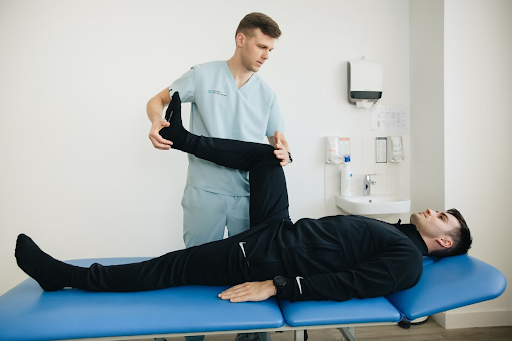
Persistent pain can affect sleep, concentration, movement and the ability to manage ordinary tasks. Standard care remains valuable, but symptoms that last for months often need a broader clinical plan. Modern pain management may combine medical assessment, physical rehabilitation, psychological support and carefully selected treatments. The aim is usually to improve daily function and quality of life, even when removing every symptom isn’t realistic.
Any new or worsening pain should be discussed with a qualified clinician, particularly when it follows an injury or appears alongside weakness, fever, unexplained weight loss or changes in bladder or bowel control.
The Limits of Standard Therapies
Common treatments such as pain relief medicines, physiotherapy and short periods of rest can work well for acute problems. Chronic pain is more complex. Long-term symptoms may involve changes in nerve signalling, reduced strength, poor sleep and anxiety about movement. A single treatment may address only one part of that picture.
Medication can also produce side effects or become less useful over time. Prolonged inactivity may worsen stiffness and physical conditioning. Current modern pain management therefore tends to combine several forms of care, guided by a clear diagnosis. Keeping a two-week record of symptoms, sleep, activity and current medicines gives your clinician more useful information than a general description of having good and bad days.
When Discomfort Becomes Daily Reality
Book a clinical review when discomfort lasts beyond the expected healing period, regularly interrupts sleep or forces you to change work and family routines. For example, needing several recovery days after a normal shopping trip may show that the current plan needs adjusting.
A clinician can review your diagnosis, check for medicine interactions and discuss suitable next steps. People in the UK with chronic pain who have already tried conventional treatments may also check their eligibility for an online assessment with Alternaleaf, a specialist medical cannabis clinic. A GP referral isn’t required, but patients must meet the clinic’s eligibility criteria, and a consultation does not guarantee a prescription. This type of service should sit within coordinated care, with your complete medical history shared accurately. Before any appointment, prepare a list of treatments you’ve tried, how long you used them and the specific benefits or side effects you noticed.
New Clinical Approaches to Consider
A pain specialist may recommend graded rehabilitation, cognitive behavioural therapy, nerve-focused medicines or procedures for a clearly identified source of pain. The best option depends on the cause, your wider health and how symptoms limit you. Someone with nerve pain after surgery will need a different plan from a person managing joint-related discomfort.
Pain psychology can be particularly useful when fear of flare-ups leads to avoidance. It teaches pacing, relaxation and ways to respond to difficult symptoms without abandoning activity altogether. Broader pain management strategies may also include sleep support, nutrition and gentle movement. Ask what improvement should look like, when it should appear and how progress will be measured before starting any treatment.
Building a Sustainable Wellness Routine
A workable routine starts with a level of activity you can repeat on an average day. If ten minutes of walking causes a major flare-up, try five minutes at a steady pace and review the effect over several days. A physiotherapist can help you increase movement safely while protecting strength and mobility. Everyday activities can also be adapted to reduce joint strain, as explained in these tips for making gardening easier on your joints.
Keep sleep and waking times reasonably consistent, plan demanding tasks around your better periods and take scheduled breaks before symptoms become overwhelming. Review progress through practical measures such as uninterrupted sleep, time spent sitting comfortably or the ability to prepare a meal. Persistent pain often changes gradually, so monthly patterns are more useful than judging each day in isolation. Take your symptom record to scheduled reviews, allowing your clinician to adjust the plan using evidence from your actual routine.
