
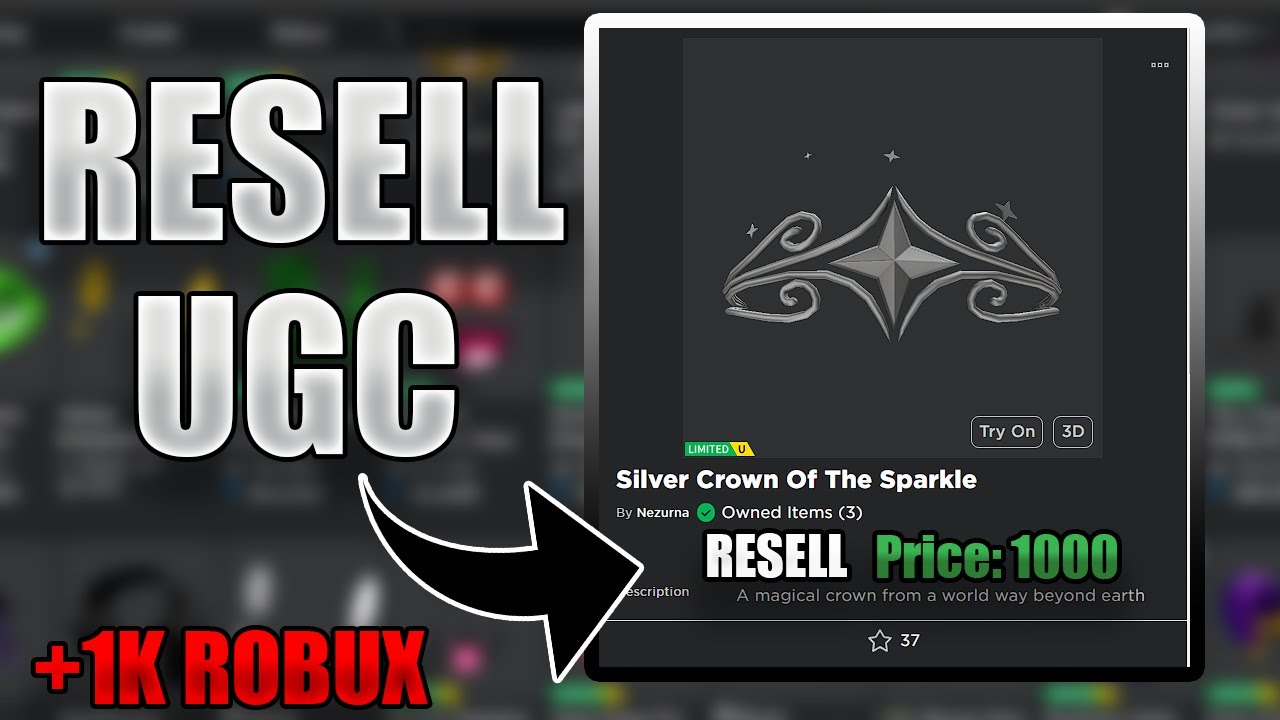
There is a corner of the internet where a pixelated hat can be worth more than a real one, and most people over the age of twenty have no idea it exists. Welcome to the world of Roblox Limiteds, where scarcity, speculation, and schoolyard status have combined to create a genuine resale economy inside a game aimed at children. It is stranger and more sophisticated than it sounds.
How a virtual item gains value
The mechanics are simple and oddly familiar. Certain avatar items are released in limited quantities or for a limited time, then taken off sale permanently. Once the supply is fixed, the only way to get one is to buy it from another player who already owns it. From there, ordinary market forces take over. Demand for a desirable item climbs, the available supply does not grow, and the price rises accordingly. Some of the rarest items have changed hands for sums that would buy a decent secondhand car in the real world.
Roblox Resale Speculation, status, and the trading culture
What makes the scene fascinating is how seriously the community takes it. Players track price histories, talk about items as investments, and time their purchases the way a trader watches a stock. For younger players the appeal is partly social. Owning a rare item is a visible marker of status in a space where your avatar is your identity. Buyers chasing those pieces often turn to marketplaces such as Eldorado, where they can cheap limited Roblox items at prices below what the in game resale system tends to charge.
Not everything requires money, which keeps newcomers in the game. The platform and its popular experiences regularly hand out free rewards, and keeping track of the current Roblox Robux codes is an easy way for younger players to build up a balance without spending. That free on ramp sits alongside the high end resale market, and the two feed each other in a way that keeps the whole economy moving.
A real economy with real lessons Roblox Resale
The darker side of any market built on scarcity and young participants is the people who prey on it. Scams are common, from fake trades that never complete to phishing pages promising rare items in exchange for login details. Children who would never hand a stranger their house key will happily type their password into a convincing looking reward site, and the loss of a high value inventory can be genuinely upsetting. This is where parental awareness earns its keep. Knowing that the resale economy exists, that items carry real value, and that trades should only happen through trusted channels turns an invisible risk into a manageable one. The market itself is not the problem, but the naivety of some of its participants makes it fertile ground for bad actors.
For all that it sounds absurd, the Roblox resale market teaches some genuine economic intuition. Scarcity, supply and demand, speculation, and the risk of a bubble are all present and unfolding in real time among players who are often too young to have studied any of it formally. Plenty of them have learned more about how markets behave from trading virtual hats than they ever would from a textbook.
Whether you find the whole thing charming or faintly alarming, it is not going away. As long as the platform keeps producing limited items and a generation of players keeps treating their avatars as an extension of themselves, the market will keep ticking over. A virtual hat with real value is no longer a punchline. It is simply how a very large group of young people learned that scarcity has a price.
