
king about making the transfer to solar strength is a thrilling step in the direction of energy independence and a greater, more sustainable future. However, one of the first questions that comes to mind for any owner of a house or enterprise proprietor is, “How a lot is this going to cost?” The fee tag for a sun setup is not a one-size-suits-all determine; it’s a complex sum determined with the aid of a lot of factors. From the dimensions of your machine to the kind of equipment you pick, every choice influences your final investment.
Understanding these cost drivers is important for budgeting effectively and ensuring you get the highest possible return on your funding. Without this knowledge, you may discover yourself comparing apples to oranges when evaluating prices from one-of-a-kind installers. This article breaks down the 5 most significant factors that determine the price of your solar energy venture, empowering you to make knowledgeable selections and navigate the system with self-assurance.
1. System Size and Energy Needs
How Much Power Do You Really Need?
The maximum good-sized element in figuring out the fee of your solar mission is its size, which is measured in kilowatts (kW). This immediately correlates with how a whole lot power your system can produce. A large system with greater panels will generate more electricity; however may even have a higher upfront value. A professional installer will compare your ancient energy usage from your application bills to advocate a system size that offsets your intake. The purpose is to design a system that meets your household’s wishes without being unnecessarily oversized.
Understanding Your Consumption Patterns
Before you get a quote, it is helpful to understand your personal energy behavior. Do you have a big family with excessive air conditioning utilization during the summer season? Are you planning to purchase an electric-powered vehicle (EV) soon? These factors will impact the size of the gadget you want. An exact electricity audit can help pinpoint where you use the most energy and whether efficiency enhancements like higher insulation or LED lights could reduce the amount of energy you require, ultimately saving you cash.
- Current Electricity Bills: Your average month-to-month utilization in kilowatt-hours (kWh) is the starting point for any system layout.
- Future Needs: Consider if you plan to feature a pool, an electric car, or other huge appliances to be able to increase your strength demands.
- Available Roof Space: The physical space on your roof can restrict the largest system size you may deploy.
- Sunlight Exposure: The amount of direct daylight your roof receives influences the number of panels you may want to fulfill your power goals.
- Offset Goal: Most homeowners prefer a device that covers 100% of their annual usage; however, some pick out a smaller system for financial reasons.
2. Equipment Quality and Solar Panel Types
Choosing the Right Components for Your System
The solar panels themselves are just one part of the device. The form of panel technology, the inverter, and the racking device all make contributions to the final price. There are three major kinds of solar panels: monocrystalline, polycrystalline, and thin-film. Monocrystalline panels are the most efficient and feature a sleek, black aesthetic, but they may also be the most expensive. Polycrystalline panels are much less efficient but more budget-friendly. For excellent durability, search for panels that include a sturdy manufacturer’s warranty that covers performance for many years.
The Impact of Inverter Technology
Inverters are the brains of your system, changing the DC strength generated by means of your panels into usable AC power for your home. You have a desire among string inverters, which are a commonplace and price-effective answer, and microinverters, which are more expensive but offer panel-level optimization and greater efficiency in shaded conditions. While the initial cost can be higher with top-rate additives, they regularly cause higher strength manufacturing and an extended device lifespan.
- Monocrystalline Panels: Higher performance, area-saving, premium aesthetics, but come with a higher price tag.
- Polycrystalline Panels: Lower performance, classic look, and a more inexpensive choice for financially-conscious customers.
- Microinverters vs. String Inverters: Microinverters cost extra but provide better performance and individual panel tracking.
- Warranty Coverage: Look for sturdy warranties on panels, inverters, and workmanship to defend your investment.
- System Balance: This consists of racking, wiring, and different components that can vary in satisfactory and charge.
3. Local Permitting, Labor, and Installation Services
Why Location Matters for Installation Costs
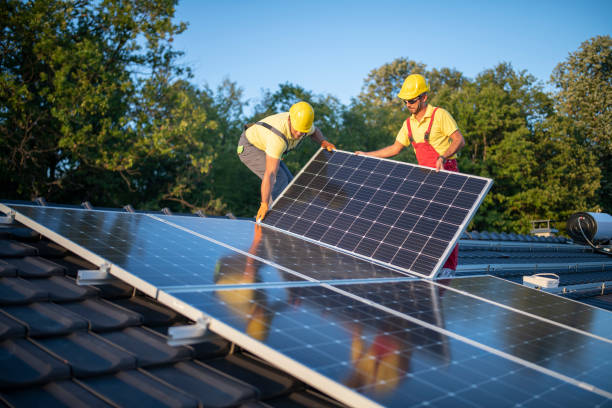
The cost of exertions and the complexity of nearby policies play a big function for your undertaking’s final cost. These charges are considered within the cost of solar Installation Services Virginia house owners normally stumble upon. Installation fees are motivated by the complexity of the roof, which includes steep pitches, more than one level, and tile as opposed to asphalt shingles. Markets with a higher cost of dwelling typically have higher hard work fees. Additionally, Virginia’s dedication to clean energy has created a rapidly developing solar market with numerous skilled specialists, which facilitates maintaining costs aggressively.
Navigating the Red Tape
A giant portion of what you pay for is the expert know-how required to navigate the neighborhood bureaucracy. A true installer will cope with all of the important construction permits, electrical inspections, and utility interconnection agreements. This technique requires intimate information about the nearby town and county necessities. Since allowing can regularly be the longest step in the technique, choosing a skilled team is important for an easy and timely installation.
- Roof Complexity: Complex roofs require extra time, a specialised system, and protection measures.
- Local Labor Rates: These range by area but are a prime issue of any setup quote.
- Permitting Costs: Building permits and interconnection utility fees are normally passed on to the customer.
- Experienced Installers: Reputable agencies take care of all permitting to ensure a seamless, pressure-free procedure.
- Installation Timeline: The bodily setup normally takes 1-three days, even though the total process takes longer due to paperwork.
4. Structural Requirements and Site-Specific Challenges
Preparing Your Property for Solar
Before a single panel is hooked up, your property has to be evaluated for structural integrity and suitability. If your roof is antique or broken, it may need to be replaced or repaired before the solar array can be established, including an enormous cost to the venture. This is an important step, as you do not need to install a 25-year solar system on a roof that is nearing the end of its lifespan. A trustworthy Solar Installation Company in Richmond will conduct a thorough website evaluation to identify any potential issues earlier than offering a final quote.
Ground Mounts vs. Roof Mounts
While most residential systems are rooftop, a few properties require a ground-hooked-up gadget. This is probably due to roof shading, orientation problems, or loss of a good enough roof area. While ground mounts may be located for premier daylight publicity, they’re normally more costly due to the additional materials and labor for trenching and mounting structures. Many Richmond-area installers provide both alternatives, with floor mounts being a popular choice for big properties with enough land.
- Roof Age: If your roof is over 15 years old, you may want to budget for an alternative earlier than setup.
- Structural Integrity: Your roof should be able to guide the weight of the panels and withstand wind speeds of hundreds.
- Ground Mounts: A proper opportunity for poorly oriented or shaded roofs, however, increases the usual project cost.
- Electrical Panel Upgrade: Older homes might also need an electrical panel upgrade to deal with the solar device’s output.
- Shade Analysis: The presence of close-by trees or systems can affect the strength of manufacturing and may require a unique system layout.
5. Financing, Incentives, and the Cost of Capital
How You Pay Matters as Much as What You Pay
The manner you finance your solar mission can substantially impact its typical fee. A cash purchase presents the first-rate long-term financial savings, as you avoid interest and costs. However, many homeowners choose sun loans, which permit them to own the gadget with manageable monthly bills. There are also Power Purchase Agreements and rentals where a 3rd birthday celebration owns the gadget, and you pay for the power it generates. The fee of capital, or hobby costs, is a key issue—higher rates boost the total amount you’ll pay over the life of the mortgage.
Leveraging Available Incentives
The financial panorama is likewise fashioned by means of the available incentives. The federal Investment Tax Credit lets you deduct a good-sized percentage of your solar gadget’s price from your federal taxes. Many states also offer additional incentives like net metering, which credits you for the excess energy you ship back to the grid. Furthermore, most counties offer an assets tax exemption for solar panels, which means the cost of your solar system may not increase your annual property taxes.
- Federal ITC: A great tax credit score for solar gadget purchases that could considerably reduce your internet value.
- Net Metering: Earn software credit for the extra power your machine generates, reducing your month-to-month payments.
- Property Tax Exemption: Most counties exempt solar panels from increasing your house tax evaluation.
- Financing vs. Cash: Understand the variations in general fees between a coin buy, mortgage, rent, or PPA.
- Interest Rates: The cost of capital is a prime factor of your normal rate while financing.
The Importance of a Reputable Installer
Ultimately, the value of your solar undertaking is a reflection of the fee you pay to your preferred installer. An incredibly experienced Residential Solar Panel Installer, Virginia owners can trust will provide a complete quote, transparently explaining all fees. They will ensure the gadget is effectively designed, all office work is filed well, and the installation is of the highest quality. Choosing an authorized and established nearby employer guarantees that they will be around to honor their warranties and provide guidance for the existence of your gadget.
Working with a reputable installer also means you benefit from their industry relationships, which can, on occasion, translate to higher device pricing that is handed directly to you. They live in modern-day with neighborhood policies and incentive programs, ensuring you maximize each available gain. When you put money into the sun, you are not simply buying a device—you’re investing in a partnership with experts who will guide you via every step of the adventure.
Final Thoughts
Investing in a solar energy system is a considerable financial decision; it offers long-term savings, increases your own home fee, and contributes to a cleaner environment. By expertise the 5 key factors that impact the price—system length, equipment, neighborhood labor and allowing, website online-precise demanding situations, and financing—you are better equipped to navigate the process with self-assurance. The secret is to work with a reputable, skilled neighborhood installer who can guide you through these complexities, making sure you get a system that meets your wishes at a truthful and obvious fee.
While the initial cost may seem daunting, the long-term advantages are substantial. With the fee of solar having fallen notably over the last decade and strong incentives available, there has never been a better time to make the transition. The aim is to find a balance between fee and first-class, ensuring your device is constructed with dependable components and installed by professionals who stand by their work for many years to come. Take a while, examine rates, and ask the proper inquiries to light up your route to electricity independence. Your destiny self and your month-to-month utility bills will thank you.
FAQs
1. How long does it take to install solar panels?
The bodily setup in your roof generally takes 1-three days. However, the complete process from signing a settlement to turning the system on can take 4-12 weeks, in large part relying on how quickly your local authorities issue permits and your utility company completes the interconnection method.
2. What is internet metering, and the way does it work?
Net metering is a billing mechanism that credit sun strength machine proprietors for the energy they add to the grid. If your system produces more strength than you operate, the excess is sent to the grid, and you receive a credit score to your utility invoice, which could roll over to future months.
3. Can I finance my solar panel system?
Yes, there are several financing options available. Most homeowners use a solar mortgage to own the machine, paying it off over the years with fixed monthly bills. Some corporations additionally offer leases or Power Purchase Agreements, in which you pay for the power generated as opposed to the device itself.
4. What sort of guarantee do I need to count on my sun machine?
An extraordinary installation typically comes with a 25-yr producer’s warranty on the solar panels and a similar warranty on the inverter, alongside a 10-year guarantee on the installation work and workmanship.
5. Do I need to update my roof earlier than installing solar panels?
If your roof is older or in bad condition, it is strongly encouraged to replace it before putting in solar panels. A solar system is a protracted-term funding lasting over 25 years, and also you want to avoid the excessive fee of eliminating and reinstalling it prematurely to repair a roof difficulty.
