
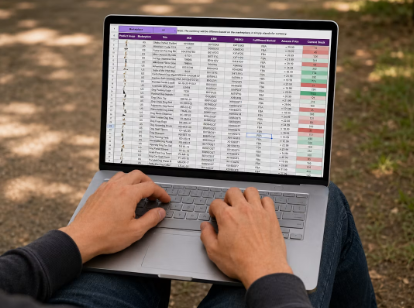
Relying on outdated methods to manage complex projects creates hidden drains on time and resources. For many businesses, the familiar comfort of spreadsheets hides inefficiencies that quietly chip away at productivity and profit margins. As projects grow in scale and complexity, these manual systems start to crack, revealing their limitations and highlighting the need for a more modern approach.
Moving beyond these traditional tools is no longer just for large corporations. It’s a strategic necessity for any organisation looking to stay competitive and agile.
The Limits of Manual Tracking
Spreadsheets might seem like a simple, cost-effective way to manage projects, but their shortcomings quickly become clear, especially when you consider the benefits of smart project forecasting systems. One of the biggest problems is the lack of a single source of truth. With multiple versions of a file being emailed back and forth, version control becomes a nightmare. Who has the latest update? Which figures are correct? This confusion leads to mistakes and wasted time.
On top of that, reliance on manual data entry is full of risks. A simple typo can throw off budgets, timelines, and resource allocation, with errors often going unnoticed until it’s too late. These systems don’t offer real-time visibility, making it hard for managers to get an accurate snapshot of project health without manually compiling data from various sources. This reactive approach leaves little room for proactive decision-making.
Key Benefits of Integrated Tools
The real power of modern project management comes from integration. Instead of having project plans in one place, budgets in another, and team communications scattered across emails and chat apps, integrated platforms bring everything together. This centralisation is key. When your project data connects to your financial and human resources information, you get a complete view of your operations.
For example, a delay in a project task can automatically flag potential budget overruns or signal the need for more staff. This level of connectivity often comes through powerful cloud ERP software that acts as the central nervous system for the organisation. It makes sure data flows smoothly between departments, breaking down silos and letting everyone work from the same, up-to-date information.
Driving Efficiency with Automation
One of the most immediate benefits of switching to a modern project management tool is automation. Repetitive, administrative tasks that eat up valuable hours can be handled automatically, freeing your team to focus on more strategic work. Think about the time spent sending reminder emails about deadlines, chasing progress updates, or compiling weekly status reports.
Automation can take care of all of it. Workflows can be set up to automatically assign tasks to the next person in a sequence once a previous step is done. Alerts can notify team members of upcoming deadlines or changes in project scope. Dashboards can be configured to pull real-time data into pre-built report templates, giving stakeholders instant access to progress without any manual effort.
Forecasting Success with Data
Manual tracking methods leave a lot of valuable data unused. Modern project management platforms, however, are built to capture and analyse every piece of information. This data becomes a powerful tool for forecasting and planning. Analysing performance on past projects helps you create more accurate estimates for future ones.
You can see how long certain types of tasks typically take, which teams are most efficient, and where bottlenecks commonly occur. These insights allow you to set realistic timelines and budgets, reducing the risk of unexpected delays and cost overruns. Advanced tools can even use this historical data to run simulations, helping you predict the impact of potential changes before you commit to them.
Cultivating Project Team Collaboration
A successful project depends on clear communication and effective teamwork. Modern management tools are designed to encourage this collaborative environment. They provide a central space where team members can communicate, share files, and track conversations related to specific tasks. This eliminates the confusion of trying to piece together information from long email chains.
With everything organised and accessible in one place, team members can easily see what they need to do, who is responsible for what, and how their work fits into the bigger picture. This creates better communication and transparency, which in turn builds trust and accountability within the team. Everyone is aligned, working towards the same goals with a shared understanding of the project’s status and priorities.
Ultimately, modernising your project management is an investment in your organisation’s resilience and capacity for growth. It’s about creating an environment where projects are not just completed, but are completed on time, on budget, and with a team that is connected and empowered.
