
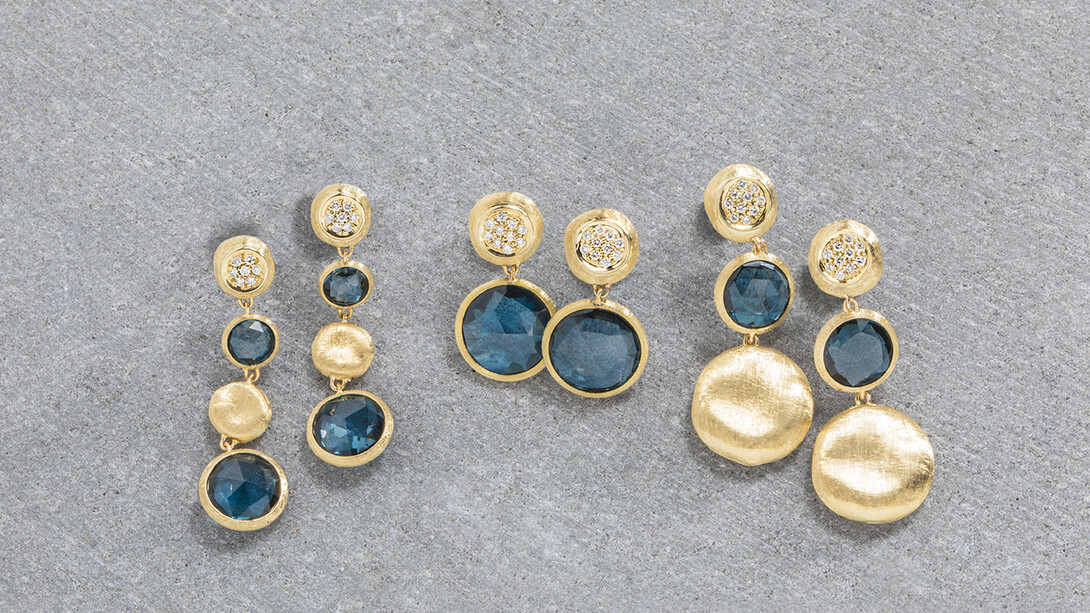
The global luxury market is evolving toward a more refined and intentional aesthetic. Marco Bicego Consumers today are becoming increasingly selective about the products they purchase, focusing less on logos and short-lived trends and more on craftsmanship, versatility, and timeless design.
This transformation has helped artisan-inspired jewelry collections gain stronger relevance across contemporary fashion culture. Among the designers frequently associated with elegant simplicity and Italian craftsmanship, marco bicego continues attracting attention for jewelry that combines organic textures with effortless sophistication.
As modern consumers redefine what luxury means, understated fine jewelry is becoming one of the most influential categories within premium fashion.
The Shift Toward Quiet Luxury
One of the biggest trends shaping modern fashion is the rise of quiet luxury.
Rather than relying on visible branding or highly decorative styling, quiet luxury emphasizes subtle elegance, premium materials, and long-term wearability.
Consumers increasingly prefer products that communicate refinement through craftsmanship instead of overt status symbols.
Fine jewelry naturally aligns with this movement because it offers sophistication in a more personal and understated way.
Minimalist bracelets, textured rings, layered necklaces, and refined earrings have become essential components of contemporary luxury wardrobes.
This shift reflects broader changes in consumer priorities centered around intentional purchasing and timeless personal style.
Why Italian Craftsmanship Continues to Matter Marco Bicego
Italy has long been recognized as one of the world’s leading centers for luxury craftsmanship.
Italian jewelry designers are known for combining artistic tradition with modern elegance, creating pieces that feel both sophisticated and wearable.
Many luxury consumers associate Italian design with fluidity, warmth, and understated beauty.
Rather than emphasizing rigid symmetry or excessive ornamentation, Italian-inspired jewelry often focuses on natural movement, soft textures, and balanced proportions.
This design philosophy creates accessories that integrate easily into modern wardrobes while still maintaining strong artistic identity.
Consumers increasingly value this combination of craftsmanship and practicality.
Marco Bicego Jewelry Has Become Everyday Luxury
Fine jewelry is no longer reserved only for weddings, formal events, or milestone celebrations.
Modern consumers regularly incorporate luxury jewelry into everyday fashion, styling necklaces, bracelets, and rings alongside casual tailoring, knitwear, denim, and minimalist outfits.
This transformation has significantly changed what consumers expect from premium accessories.
Today’s buyers want jewelry that feels elevated yet versatile enough for daily wear.
Pieces must transition naturally between professional settings, travel, relaxed social occasions, and evening events.
Artisan-inspired jewelry fits especially well within this lifestyle because it often balances elegance with comfort and simplicity.
This versatility has become one of the defining characteristics of successful modern jewelry collections.
Marco Bicego Organic Textures and Contemporary Design
Organic aesthetics continue influencing fashion and jewelry trends across global markets.
Consumers increasingly appreciate natural textures, handcrafted finishes, and imperfect details that create a sense of individuality.
Within jewelry, organic design often feels more emotionally engaging because it reflects visible craftsmanship rather than industrial precision.
Textured gold surfaces, fluid silhouettes, and hand-finished elements contribute to jewelry that feels artistic and personal.
These qualities resonate strongly with consumers seeking accessories that stand apart from mass-produced luxury products.
As fashion moves toward authenticity and individuality, organic jewelry design remains highly relevant.
The Importance of Versatility
Versatility has become one of the most important factors influencing luxury purchasing decisions.
Modern consumers increasingly prefer fewer high-quality pieces instead of constantly rotating trend-based accessories.
Jewelry capable of adapting to multiple outfits and occasions naturally becomes more valuable within this mindset.
Minimalist luxury styling has also increased appreciation for accessories that complement rather than dominate an outfit.
Layered necklaces, subtle rings, and delicate bracelets allow consumers to create curated looks that feel polished without appearing overly formal.
This flexibility supports the growing popularity of understated fine jewelry.
Why Consumers Are Investing More Thoughtfully
Consumer behavior within the luxury sector has become more intentional over the last decade.
Buyers are paying closer attention to durability, craftsmanship, and emotional value before making purchases.
Fine jewelry naturally supports this more thoughtful approach because it is often viewed as a long-term investment rather than a seasonal trend item.
Consumers frequently expect premium jewelry to remain relevant and wearable for many years.
This emphasis on longevity has increased demand for timeless design and artisan craftsmanship.
Jewelry collections capable of maintaining elegance across changing trends continue performing especially well within modern luxury markets.
Minimalism and Personal Style
Minimalism remains one of the strongest influences shaping contemporary fashion.
Neutral palettes, clean tailoring, and curated accessories dominate both runway styling and everyday wardrobes.
Jewelry plays an especially important role within minimalist fashion because accessories provide subtle opportunities for individuality.
Rather than relying on bold statement pieces, many consumers now prefer refined jewelry that enhances an outfit quietly and naturally.
This understated approach aligns closely with modern definitions of sophistication.
Artisan-inspired collections often resonate strongly because they balance simplicity with artistic depth.
Sustainability and Conscious Consumption
Sustainability continues influencing how consumers think about fashion purchases.
Many buyers are becoming more aware of overconsumption and increasingly interested in products designed for longevity.
Fine jewelry naturally fits within this movement because it is typically intended for long-term wear rather than rapid replacement.
Consumers increasingly appreciate accessories that remain stylish across multiple years and changing fashion trends.
Handcrafted jewelry also appeals to shoppers seeking alternatives to highly industrialized fashion production.
Artisan craftsmanship is often associated with authenticity, quality, and intentional design — values that continue growing in importance within luxury markets.
Jewelry as Emotional Connection
Luxury jewelry frequently carries meaning beyond aesthetics alone.
Pieces may commemorate important milestones, relationships, achievements, or personal memories, making jewelry one of the most emotionally significant categories within fashion.
Consumers increasingly prioritize emotional resonance when selecting premium accessories.
Rather than purchasing solely for trend value, many buyers seek pieces that feel connected to their identity and lifestyle.
This emotional permanence strengthens demand for timeless, versatile jewelry capable of remaining meaningful over time.
The Future of Understated Luxury
Industry experts expect understated luxury to continue shaping both fashion and jewelry markets in the years ahead.
Several trends are likely to remain highly influential:
- Continued growth of minimalist fashion
- Increased appreciation for artisan craftsmanship
- Strong demand for versatile everyday jewelry
- Greater focus on timeless investment pieces
- Rising consumer interest in intentional purchasing
Jewelry collections that successfully combine elegance, craftsmanship, and effortless wearability are especially well positioned within this evolving market.
As consumers continue redefining luxury around authenticity and long-term value, artisan-inspired fine jewelry is expected to maintain enduring appeal among modern fashion audiences worldwide.
