
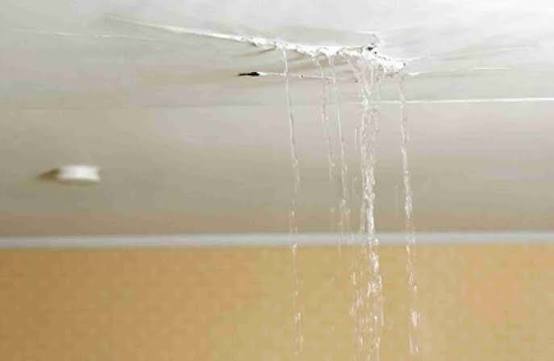
You hear a dripping sound, look up, and notice water coming through the ceiling. Maybe it’s a slow trickle near a light fixture, or perhaps water is pouring onto the floor. Either way, it’s the kind of household problem that demands immediate attention.
A ceiling leak can damage drywall, insulation, flooring, furniture, and electrical systems. Depending on the source, it may also indicate a burst pipe, overflowing fixture, roof damage, or another problem hidden above the ceiling.
If water suddenly starts leaking through your ceiling, move away from the affected area, avoid electrical hazards, stop the water supply if it is safe to do so, and arrange for the source to be identified and repaired. Once the immediate danger is controlled, you can begin documenting the damage and drying the affected space.
Knowing which steps to take first can help prevent a manageable leak from becoming a much more expensive repair.
First, Make Sure the Area Is Safe
The most urgent concern during a ceiling leak is not the water itself. It’s the possibility of electrical hazards or a weakened ceiling.
Water can travel along pipes, framing, and electrical wiring before becoming visible. That means the wet spot you see may not be directly beneath the source of the leak.
Stay Away From Wet Electrical Fixtures
If water is dripping through a ceiling light, near a fan, or around electrical outlets, keep people away from the affected area.
Do not touch wet switches, fixtures, cords, or appliances.
If you can safely access the electrical panel from a dry location without approaching standing water or damaged electrical equipment, shut off power to the affected circuit. If you cannot identify the correct circuit, or the panel itself may be wet, do not attempt to operate it.
Contact a qualified electrician or your electrical utility for guidance when electrical safety is uncertain.
Even after the dripping stops, electrical components that have been exposed to water may need professional evaluation before they are used again.
Watch for Signs That the Ceiling Could Collapse
A ceiling that is sagging, bulging, cracking, or visibly separating from its supports may be holding trapped water or have weakened materials.
Do not stand beneath it, press against it, or attempt to puncture it.
Move people and pets away from the affected area and avoid entering the room if the ceiling appears unstable.
Water-damaged ceiling materials can fail unexpectedly. A professional should assess the situation before anyone attempts to release trapped water or remove damaged sections.
Find Out Whether the Water Is Coming From Plumbing or the Roof
The next step is to identify the likely source of the leak without exposing yourself to unnecessary risks.
Water appearing on the ceiling does not always mean a pipe directly above that spot has failed. Moisture can travel along structural components and emerge some distance from its original source.
Several common problems can cause ceiling leaks.
Leaking or Burst Plumbing Pipes
If the leak starts suddenly and continues even when it isn’t raining, a plumbing problem is one possibility.
Water supply lines, pipe fittings, and connections can develop leaks because of corrosion, physical damage, freezing conditions, or component failure.
A pressurized supply pipe may continue releasing water until the affected supply is shut off.
If the ceiling is beneath a bathroom, kitchen, or laundry area, plumbing should be among the first potential causes investigated.
Overflowing Bathtubs, Sinks, or Toilets
An overflowing fixture on an upper floor can allow water to pass through flooring and into the ceiling below.
For example, a bathtub left running may overflow onto the bathroom floor. Water can then enter gaps around fixtures or penetrate vulnerable flooring materials.
If you suspect an overflowing fixture, stop using it immediately and address the overflow only if the area is safe to enter.
Toilet overflows deserve particular caution because the water may be contaminated, depending on the source.
Avoid direct contact with potentially contaminated water and seek professional cleanup assistance when necessary.
Roof Leaks and Storm Damage
If water appears during heavy rain or shortly afterward, the roof may be involved.
Damaged roofing materials, deteriorated flashing, or problems around roof penetrations can allow rainwater to enter the building.
However, timing alone does not prove that the roof is responsible. Wind-driven rain and water traveling through building cavities can make the source difficult to identify.
Do not climb onto a wet or storm-damaged roof to investigate.
A qualified roofing contractor can assess the roof when conditions are safe.
Air Conditioning and Condensate Problems
Air conditioning equipment can also produce ceiling leaks, particularly when an air handler or condensate drain is located above the affected room.
A clogged condensate drain, damaged drain pan, or related equipment problem may allow water to accumulate and escape.
If the leak appears associated with the cooling system, turn the equipment off using a safe, dry control and arrange for an HVAC technician to investigate.
Shut Off the Water Supply if You Suspect a Plumbing Leak
If a leaking supply pipe or plumbing fixture appears to be responsible, shutting off the water can help limit further damage.
Many homes have a main water shutoff valve that controls the incoming water supply. Individual fixtures may also have dedicated shutoff valves.
If you know which fixture is causing the problem and its shutoff valve is safely accessible, turning off that fixture’s supply may be sufficient.
For an unidentified or significant supply-line leak, shutting off the main water supply may be the safer option.
The location and design of shutoff valves vary by property. They may be near the water meter, in a utility area, or elsewhere along the incoming service line.
Do not enter a flooded area or reach near exposed electrical equipment to access a valve.
Remember that shutting off the main water supply will not necessarily stop every ceiling leak. Water already trapped in building materials may continue dripping, and roof leaks, drain-line problems, or HVAC condensate leaks may require different corrective actions.
If the source remains uncertain, professional diagnosis is important.
Protect Your Belongings Without Putting Yourself at Risk
Once the immediate hazards have been addressed, focus on limiting damage to the surrounding room.
Move furniture, electronics, rugs, and other belongings away from the affected area, provided you can do so safely.
If the ceiling appears stable and there are no electrical hazards, a bucket or waterproof container can help collect dripping water.
Absorbent towels may also help contain small amounts of water on the floor.
Avoid placing containers directly beneath a visibly sagging or unstable ceiling, since the area should remain clear.
Do not attempt to cut into ceiling drywall or drill a drainage hole yourself. Although releasing trapped water is sometimes part of professional water-damage mitigation, doing so without assessing structural and electrical conditions can be dangerous.
If water is spreading rapidly, prioritize leaving the affected area and getting appropriate assistance rather than trying to protect every possession.
Know When to Call an Emergency Plumber
Not every ceiling stain requires an emergency service call. However, active water intrusion involving plumbing often needs prompt professional attention.
A plumber should be contacted urgently when water continues leaking despite attempts to stop it, a supply pipe may have burst, or the source cannot be safely identified.
Other warning signs include substantial water accumulation, rapidly expanding damage, and plumbing problems affecting multiple fixtures.
For homeowners dealing with an active plumbing leak, the priority is to find someone qualified to identify the source and stop the water flow.
For example, a resident trying to find an emergency plumber in State College PA can use a geographically relevant service page as a starting point while confirming availability, service coverage, and the nature of the plumbing emergency.
When contacting a plumber, explain where the water is appearing, whether it is still flowing, and whether you have already shut off the water supply.
Mention any nearby electrical fixtures, visible ceiling damage, or suspected pipe failures.
This information helps the service provider understand the situation and determine what equipment or assistance may be needed.
If the leak originates from roofing, HVAC equipment, or another building system, the appropriate specialist may be different. Some incidents also require an electrician or water-damage restoration professional.
Document the Damage Before Cleanup and Repairs
Photographs and written records can be valuable if you need to make an insurance claim or coordinate repairs with a property owner.
Once the area is safe, take photographs or videos showing the visible damage.
Document affected ceilings, walls, floors, furniture, and belongings. Record when you first noticed the leak and any steps taken to stop it.
Keep receipts for emergency repairs, temporary accommodations, cleanup services, and replacement materials.
If you rent your home, notify your landlord or property manager promptly using the reporting procedure in your lease or building policies.
Homeowners should review their insurance coverage and contact their insurer when the damage may qualify for a claim.
Coverage depends on the policy and the cause of the water intrusion. For example, a sudden plumbing failure may be treated differently from damage associated with long-term seepage or inadequate maintenance.
Do not delay necessary emergency mitigation solely to preserve evidence. Document conditions when safe and keep records of work performed.
Dry the Affected Area to Reduce the Risk of Mold
Stopping the leak is only the beginning of the recovery process.
Water can remain trapped inside drywall, insulation, flooring, and other building materials long after the visible dripping has stopped.
If those materials remain damp, mold growth and further deterioration may occur.
The U.S. Environmental Protection Agency recommends drying water-damaged areas and materials within 24 to 48 hours when possible to help prevent mold growth.
That guidance highlights why prompt drying matters, even when the visible damage appears minor.
Start With Safe Water Removal
If the area is electrically safe and the water is known to be clean, small amounts of surface water may be removed with towels or appropriate cleaning equipment.
Fans and dehumidifiers can help with drying under suitable conditions, but they may not adequately dry water trapped inside building cavities.
Do not operate electrical drying equipment in unsafe wet conditions.
If water may be contaminated, avoid disturbing or spreading it through the home.
Know When Professional Drying Is Necessary
A restoration professional may be needed when water has saturated insulation, entered wall cavities, affected a large area, or remained present for an extended period.
Professionals can assess moisture levels and determine whether damaged materials can be dried or need removal.
Porous materials such as ceiling drywall and insulation may require replacement when heavily saturated or contaminated.
Painting over a water stain before addressing the moisture problem can conceal damage without resolving the underlying cause.
The affected materials should be properly dried and evaluated before cosmetic repairs begin.
Repair the Source Before Fixing the Ceiling
A fresh coat of paint can make a water stain disappear, but it cannot prevent another leak.
Permanent repairs should begin with identifying and correcting the source of the water intrusion.
If a plumbing connection failed, the affected pipe or fitting needs appropriate repair or replacement.
If the roof allowed rainwater to enter, the damaged roofing or flashing must be addressed.
For HVAC-related leaks, the condensate drainage problem or equipment defect should be corrected.
Only after the water source has been resolved and the affected area has been adequately dried should ceiling repairs proceed.
Depending on the damage, this may involve replacing drywall, repairing insulation, applying suitable stain-blocking primer, and repainting.
Significant damage may also require assessment of framing or electrical components.
The order matters because repairing the visible ceiling before fixing the underlying problem can result in repeated damage and unnecessary expenses.
How to Reduce the Risk of Another Ceiling Leak
Not every plumbing or roofing failure can be predicted, but routine maintenance can help identify developing problems.
Homeowners can reduce avoidable risks by paying attention to early warning signs and keeping important building systems in good condition.
Useful preventive measures include:
- Inspecting accessible plumbing connections for leaks or corrosion.
- Addressing slow drains and recurring fixture problems before they worsen.
- Checking around tubs, showers, and other wet areas for deteriorated seals or damaged surfaces.
- Arranging appropriate roof inspections when damage is suspected.
- Maintaining HVAC condensate drainage systems according to manufacturer guidance.
- Knowing where the main water shutoff valve is located.
- Investigating unexplained ceiling stains, peeling paint, or musty odors.
Homes in regions with freezing temperatures may also require appropriate measures to protect vulnerable water pipes during cold weather.
For example, homeowners in Pennsylvania should be aware that pipes in unheated or poorly insulated areas can be susceptible to freezing under sufficiently cold conditions.
Preventive maintenance cannot guarantee that a ceiling leak will never occur. It can, however, improve the chances of identifying a problem before it causes extensive damage.
Frequently Asked Questions About Ceiling Water Leaks
Can a ceiling collapse from a water leak?
Yes. Water can weaken ceiling materials and add weight, increasing the risk of partial or complete failure. Sagging, bulging, cracking, or falling debris are warning signs. Keep people away from the affected area and arrange for professional assessment rather than attempting to drain or repair an unstable ceiling yourself.
Why is my ceiling still dripping after I turned off the water?
Water may remain trapped in insulation, drywall, or other building materials and continue draining after the supply is shut off. The leak may also originate from a roof, drain, or HVAC system rather than a pressurized supply pipe. If dripping continues or the source is uncertain, have the problem investigated.
Will homeowners insurance cover water leaking through the ceiling?
Coverage depends on the policy, the cause of the leak, and the circumstances. Some policies cover certain sudden and accidental water damage, while exclusions may apply to flooding, long-term seepage, or maintenance-related problems. Review your policy and contact your insurer for guidance.
Can I sleep in a room with a water-damaged ceiling?
Avoid using the room if the ceiling is sagging, cracking, actively leaking, or near affected electrical fixtures. Even without visible structural damage, significant moisture or suspected contamination may make the room unsuitable until it has been evaluated. Use another room if safety is uncertain.
The First Few Decisions Matter Most
A ceiling leak can be alarming, especially when water appears without warning and the source is hidden from view.
The most effective response is to focus on safety before attempting cleanup or repairs. Stay clear of electrical hazards and unstable ceiling materials, stop the water supply when appropriate and safe, and arrange for the underlying problem to be identified.
Once the leak is controlled, document the damage and address remaining moisture before restoring the ceiling.
The visible water stain may be the first sign of trouble, but fixing what caused it is what protects the home from further damage.
