
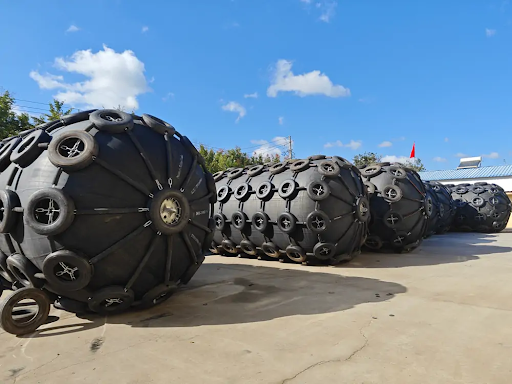
Rubber fenders protect ships, boats, and docks. They absorb the force of every berthing. Over time, they wear down. Cracks form. Chains loosen. Surfaces tear.
Many port managers and boat owners ask the same question. How much will a repair cost? The answer depends on several things. This guide explains them in plain terms. It will help you plan your budget and avoid surprises.
1. Understanding the Basics of Fender Repair Costs
Every repair starts with one question: what is the damage? A small surface scratch costs little. A deep tear or a broken mounting point costs more. Knowing the true cost to repair rubber marine fenders begins with a careful inspection. An expert checks the rubber, the steel parts, and the fixings. Then you get a clear picture of the work ahead.
Costs usually include three parts. The first is labor. The second is materials. The third is transport and equipment. Some jobs need divers or cranes. Others can be done from the dock. Each choice changes the final bill.
Minor repairs often cost a few hundred dollars. Mid-level repairs may reach a few thousand. Major structural repairs can cost much more. These figures are only a guide. Local rates and fender size matter a great deal.
2. Key Factors That Affect the Price
Several factors shape the final cost. Let us look at the main ones.
Type of fender. Cylindrical fenders, arch fenders, cell fenders, and foam filled fenders all differ. Large cell fenders cost more to fix than small cylindrical ones. Their size and weight need heavier tools.
Level of damage. Surface wear is easy to fix. Deep cuts need rubber patching. Broken internal layers may need part replacement. The deeper the damage, the higher the price.
Location. A fender on a quiet inland dock is simple to reach. A fender at an open sea terminal is harder. Tides, waves, and weather add time and risk.
Materials. Marine grade rubber is strong and flexible. It resists salt, sun, and ozone. Good materials cost more up front. They last longer, so they save money later.
Labor and travel. Skilled workers charge higher rates. If the team must travel far, you pay for that too. Planning ahead can reduce these costs.
3. Common Repair Types and Typical Cost Ranges
Most repairs fall into a few groups. Here is what to expect for each.
Surface patching. This fixes small cuts and worn spots. It is the cheapest option. It takes little time. It often needs no special equipment.
Chain and bracket repair. Chains hold many fenders in place. They rust and stretch. Replacing them is common. The cost depends on chain size and length. Steel brackets may also need new bolts or welds.
Panel and frontal pad repair. Large fenders often use steel panels with low friction pads. Pads wear down over time. Swapping them is cheaper than buying a whole new fender.
Section replacement. Sometimes only part of the rubber body is damaged. A skilled team can replace that section. This costs more than patching. It costs less than full replacement.
Underwater repair. Some fenders sit partly below the waterline. Divers may be needed. This raises the price because of safety rules and special gear.
Always ask for a written quote. A good quote lists labor, parts, and extra fees. It should be easy to read.
4. Repair or Replace: Making the Right Choice
Not every fender should be repaired. Sometimes replacement is the wiser choice. How do you decide?
Start with age. Rubber fenders often last many years. But no fender lasts forever. If yours is near the end of its life, repairs may only delay the problem.
Next, look at the damage. If the rubber has lost its elasticity, it cannot absorb energy well. A weak fender puts your vessel and your dock at risk. In that case, replace it.
Then compare costs. A common rule is simple. If repair costs reach half the price of a new unit, think hard about replacement. A new fender also comes with a fresh warranty.
Quality matters here too. A reliable supplier can guide you through the choice. Jerryborg Marine – Advanced rubber Fenders Manufacturer offers fenders built for tough marine conditions. Their products are made to handle heavy loads and harsh weather. Choosing a trusted maker helps you avoid repeat repairs. It also gives you access to technical advice when you need it.
5. Ways to Lower Your Repair Costs
You cannot avoid all repairs. But you can reduce them. Here are some useful steps.
Inspect often. Check your fenders every few months. Look for cracks, bulges, and loose fixings. Small problems are cheap to fix. Large problems are not.
Keep records. Write down each inspection and repair. Over time, you will see patterns. This helps you plan your budget.
Clean and protect. Wash off salt, oil, and dirt. Oil can damage rubber. Shade and proper storage also help when fenders are not in use.
Train your crew. Poor berthing hurts fenders. Skilled handling reduces impact and wear. A little training can save a lot of money.
Act fast. Do not wait for damage to spread. A small cut can turn into a deep tear after a few more impacts. Quick action keeps costs low.
Compare quotes. Ask more than one provider. Compare the scope of work, not just the price. The cheapest offer is not always the best.
6. Planning a Repair Budget
A good budget includes more than the repair itself. Think about downtime. If a berth is closed, you may lose income. Think about safety too. A failed fender can damage a ship.
Set aside a yearly maintenance fund. Many operators save a small percentage of their fender value each year. This makes sudden repairs easier to handle. It also removes stress from the decision.
Finally, plan for the long term. Track the age of each fender. Know when replacements will be due. Spread those costs over several years. This approach is far easier than facing a large bill all at once.
Conclusion
The cost of fender repair has no single answer. It depends on the damage, the fender type, the location, and the materials. Small fixes can be cheap. Major repairs can be costly.
The best strategy is simple. Inspect often. Fix problems early. Weigh repair against replacement. Choose quality products and trusted partners. With these habits, you protect your vessels, your dock, and your budget.
