
Introduction
Packaging has changed. Shoppers now read labels, ask questions, and care about waste. Businesses feel this pressure every day. Many are searching for a better option, and more of them are choosing glass.
Glass is not new. People have used it for thousands of years. Today it is back in the spotlight because it fits what the market wants: products that look clean, feel safe, and treat the planet with care. This article explains why the shift is happening and what it means for your brand.
Why Sustainability Now Drives Packaging Choices
Consumers have more power than ever. They compare brands online in seconds, read reviews, and share opinions. If a brand creates too much waste, people notice. Many buyers now choose products based on their environmental impact. Businesses that ignore this trend risk losing sales. Working with trusted eco-friendly glass bottle manufacturers is one way to meet this demand. These suppliers focus on clean production, recycled content, and responsible sourcing. They help brands tell a story that buyers can believe.
Laws also play a role. Many regions now limit single use plastics. Some require companies to pay for the waste their packaging creates. These rules push brands to rethink their materials. Glass offers a simple path forward.
What Makes Glass a Sustainable Material
Glass is made from sand, soda ash, and limestone. These raw materials are natural and easy to find. No harsh additives are needed.
The biggest strength of glass is recycling. It can be melted and reshaped again and again. It does not lose quality or purity. A used bottle can become a new bottle. Few materials can offer that kind of loop.
Recycled glass, called cullet, also saves energy. It melts at a lower temperature than raw materials. That means less fuel and fewer emissions. Cullet also reduces the need to dig up new resources. Each step in the cycle helps lower the total footprint.
Glass is also easy to reuse. Many beverage companies run refill programs. Customers return empty bottles, and the bottles are cleaned and filled again. This extends the life of each bottle and cuts waste even more.
Health, Safety, and Product Quality
Glass is non porous. Gas and moisture cannot pass through it. This keeps flavors, smells, and freshness safe inside the bottle. A drink tastes the same on day one as it does months later.
Glass also does not leach chemicals into food or drink. This matters to parents, to health focused buyers, and to anyone who reads ingredient lists with care. People trust glass because it feels pure.
For brands, this trust is valuable. A product in glass often feels higher in quality. Shoppers link it to freshness and care. That perception can support a higher price and build long term loyalty.
Glass is also easy to clean and sterilize. It handles heat well. This makes it a good fit for sauces, juices, oils, spirits, and many other products. It works for both small producers and large manufacturers.
Branding and Premium Appeal
A bottle is more than a container. It is the first thing a customer sees and touches. Its shape, weight, color, and finish all send a message.
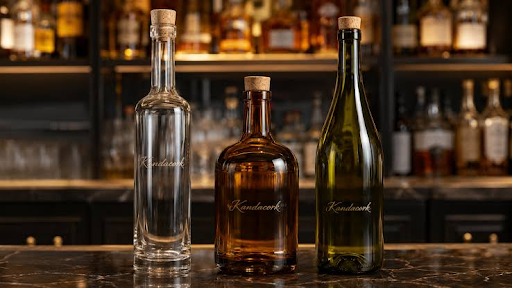
Glass gives brands a lot of room to be creative. It can be clear, tinted, frosted, or coated. It can be embossed with a logo or shaped in a unique way. These details help a product stand out on a crowded shelf. For brands in the spirits market, a partner like Custom Glass Liquor Bottle Manufacturer – Ruisheng Glass can turn a design idea into a real bottle. This kind of support helps a brand match its packaging to its identity.
A strong bottle design also encourages sharing. People post photos of products that look good. A bottle that feels special can become free marketing. Glass has a natural advantage here. It looks elegant and feels solid in the hand.
Cost and Supply Chain Considerations
Some businesses worry about cost. Glass can be heavier than plastic, and heavier packaging can raise shipping expenses. It can also break if handled poorly. These concerns are real, but they can be managed.
Lighter bottle designs now use less material while staying strong. Better packing methods protect bottles in transit. Local sourcing can also shorten delivery routes and lower freight costs.
It helps to look at the full picture. Glass can support premium pricing. It can reduce returns caused by spoiled products. It can also help a brand meet new rules and avoid future fees. Over time, these benefits often outweigh the extra handling costs.
Choosing the right supplier is key. A good partner offers consistent quality, clear communication, and reliable delivery times. They should also be open about their materials and production methods. Asking questions early can prevent problems later.
Conclusion
The move toward glass is not a passing trend. It reflects real changes in how people shop and how governments regulate waste. Glass is recyclable, safe, and attractive. It protects product quality and builds trust with customers.
There are challenges, such as weight and breakage. But smart design and careful planning can solve them. For many businesses, the long term gains are clear.
If your brand wants to grow in a responsible way, glass is a strong choice. Start by reviewing your current packaging. Talk with experienced suppliers. Then take one step at a time. Small changes today can build a stronger brand tomorrow.
