
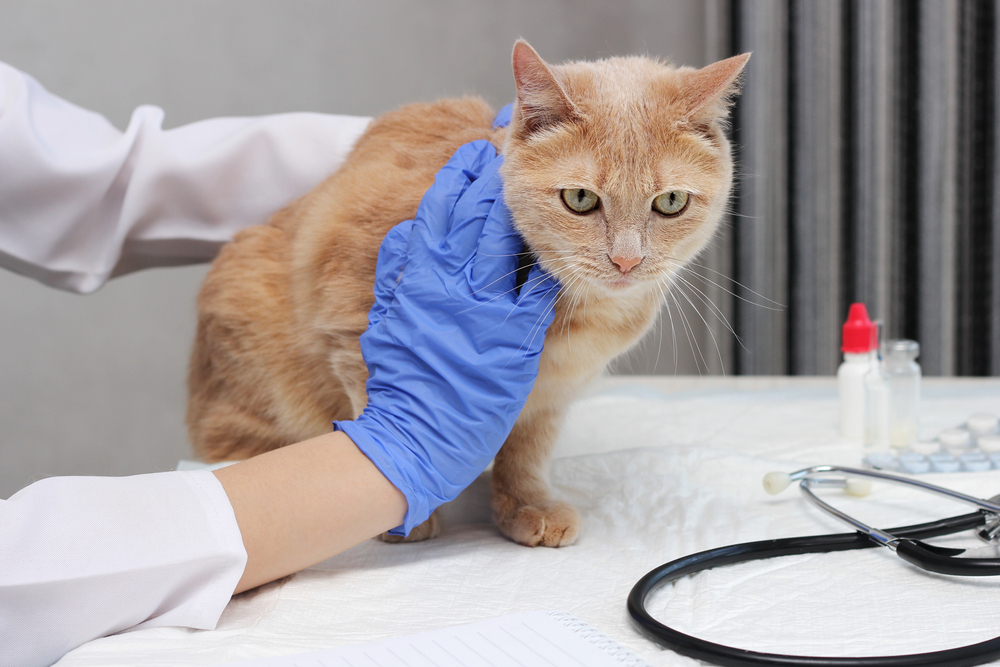
Pets are clever at keeping up appearances. A dog may still wag its tail, a cat may still judge everyone from the sofa, and both can make it seem like all is well. The trouble is, animals rarely come right out and say, “Something feels off.” They hint. They pause. They change little habits that are easy to miss if life is busy and the kettle’s on and someone’s asking where the keys went again.
That is where a bit of attention goes a long way. Small changes in behaviour, appetite, energy, or the way your pet moves can be the first signs that a vet visit is due. Some issues are minor. Others are the sort that quietly grow teeth. In Australia, where summer heat can hit hard and certain pests never seem to get the memo about boundaries, staying alert matters just as much in Sydney as it does in Perth, Hobart, or a country town where the nearest clinic might be a decent drive away.
When “just a little off” is worth noticing
Pets tend to be creatures of habit. A cat that usually patrols the kitchen bench may suddenly hide under the bed. A dog that lives for dinner may sniff at food and wander off. These changes might look small on the surface, but they often tell a bigger story.
Some of the quieter warning signs include:
Eating less or refusing food
Drinking much more water than usual
Sleeping far more than normal
Seeming grumpy, withdrawn, or unusually clingy
Using the litter tray or backyard more often, or less often
Hiding, pacing, or struggling to settle
A single odd day may mean nothing. A pattern across a few days is different. That is the bit people often brush past. “He’ll snap out of it” is a lovely sentiment, but pets are not great at snapping out of things on command.
Changes in appetite can point to trouble
A fussy meal here and there is hardly a crisis. Still, a pet that suddenly eats far less, or stops altogether, deserves attention. Appetite changes can come from dental pain, nausea, infections, stomach issues, kidney trouble, or stress. Cats, especially, can be tricky. They may act fine while quietly going downhill in the background, which is a bit rude of them, honestly.
If your dog leaves breakfast untouched for more than a day, or your cat is clearly interested in food but walks away after a sniff, something may be brewing. The same goes for the opposite problem. A sudden surge in hunger can be linked to hormonal issues or certain medical conditions. Either way, a vet check is sensible.
Thirst that seems out of the ordinary
Many pet owners only spot this one when they notice the water bowl being emptied much faster than usual. Extra thirst can be tied to diabetes, kidney disease, hormonal changes, fever, or even hot weather. In parts of Australia where summer days feel like they have been personally offended, pets do need more water. That said, a real change from their normal drinking pattern is worth a closer look.
Keep an eye on how often your pet is going outside or using the litter tray too. More drinking often means more urination, and that can offer useful clues. If your pet seems to be drinking a lot and still looks unwell, that is a vet call, not a wait-and-see moment.
Breathing, coughing, and any sound that seems off
Pets are not supposed to sound like they have run a marathon after walking from the hallway to the kitchen. A cough, wheeze, noisy breathing, or panting that seems excessive can point to respiratory issues, pain, heat stress, heart problems, or allergies.
Flat-faced breeds can struggle more in warm weather, and Australian summers can be unforgiving. A short-nosed dog that pants heavily on a mild day should never be ignored. Cats are a bit different. They often hide breathing issues until things are serious, so if a cat is breathing with an open mouth, breathing fast at rest, or looking tense through the chest, get help promptly.
Mobility changes that sneak up on people
A pet that is slowing down may be ageing. Then again, it may be sore. Limping, stiffness after rest, trouble jumping onto the couch, or a reluctance to go up stairs can all suggest joint pain, injury, or something more subtle. Older dogs often get written off as “just getting old”, which is a common mistake. Age and pain are not the same thing.
Watch how your pet gets up after lying down. Notice if they hesitate before jumping into the car. See whether they are less keen on the usual walk route. These small clues matter.
Pet owners often search online for pet insurance Australia when these signs start to pile up, especially after a surprise visit or an unexpected bill. Fair enough too, because vet care can get expensive quickly, and no one enjoys nasty surprises when they are already worried about a furry family member.
Skin, coat, and scratching that goes beyond the normal
Every pet scratches now and then. That is life. What raises eyebrows is repeated scratching, licking, chewing at paws, rubbing the face, or patchy fur loss. Skin problems can come from fleas, mites, allergies, infections, or hormonal issues.
Australia has its own share of annoyances here. Fleas can be relentless in warmer months, and some regional areas bring extra exposure to ticks and other pests. If your pet is suddenly obsessed with one body area, or the skin looks red, scabby, or sore, it is time for a proper check. A shiny coat is nice. A patchy, itchy one is a clue.
Bathroom habits tell their own story
People talk about pets being private. They really are not. Their toileting habits often reveal quite a lot.
For dogs
Straining, diarrhoea, constipation, accidents indoors, blood in the stool, or urgency can point to infection, parasites, digestive problems, or pain. If a dog suddenly cannot settle outdoors or seems uncomfortable while passing stool or urine, that needs attention.
For cats
Litter tray changes can be easy to miss unless you are paying close attention. A cat peeing more often, peeing outside the tray, or taking ages to pass urine may be dealing with a urinary issue. Male cats, in particular, can run into serious blockages. That is an emergency, not a “let’s keep an eye on it” kind of situation.
Bad breath is not always just bad breath
Pets can have somewhat whiffy mouths, yes. Yet truly bad breath, drooling, pawing at the mouth, or difficulty chewing often points to dental disease or something stuck in the mouth. A broken tooth, gum infection, or abscess can be far more painful than people expect. Some pets carry on eating despite awful dental pain, which is both impressive and a bit heartbreaking.
If your pet starts dropping food, chewing on one side, or refusing hard kibble, get the mouth checked. Dental problems have a habit of getting worse quietly, then suddenly making themselves known in a very expensive way.
When behaviour changes, pay attention
Behaviour shifts can be the hardest to spot because they are easy to explain away. Maybe your usually social dog is hiding under the table. Maybe your cat has become clingier than usual. Maybe the bird, rabbit, or guinea pig seems quieter than normal. Any notable change in personality, energy, or interaction can be a warning sign.
Pain is a common culprit. So are stress, illness, neurological problems, and sensory decline. Pets rarely put on a neat little sign saying what is wrong. They act differently. That is the signal.
When a vet visit should not wait
Some signs deserve urgent care straight away. These include:
Difficulty breathing
Collapse or fainting
Seizures
Repeated vomiting or vomiting with lethargy
Bloated abdomen, especially in dogs
Inability to urinate
Heavy bleeding
Sudden inability to walk properly
Suspected poisoning
Heat stress, especially on hot Australian days
These are not “watch and wait” symptoms. They call for action. Fast.
A simple habit that helps more than people realise
Keeping a loose eye on the basics can make all the difference. Notice how much your pet eats, drinks, sleeps, plays, and moves around. You do not need a notebook like a detective in a crime drama. Just enough awareness to spot when something is out of step.
And if your gut says something feels wrong, listen to it. Owners often notice the first signs long before a condition becomes obvious. Vets are there to help translate those clues into answers, which is a relief because pets are, frankly, not the clearest communicators.
Final thought
Most vet visits are far simpler when issues are caught early. A small change today can be a big clue tomorrow. Whether it is a dog that is off its dinner, a cat that is drinking too much, or a pet that just seems a touch unlike itself, it pays to act sooner rather than later. A little vigilance now can spare a lot of worry later, and that is a decent trade any day.
