
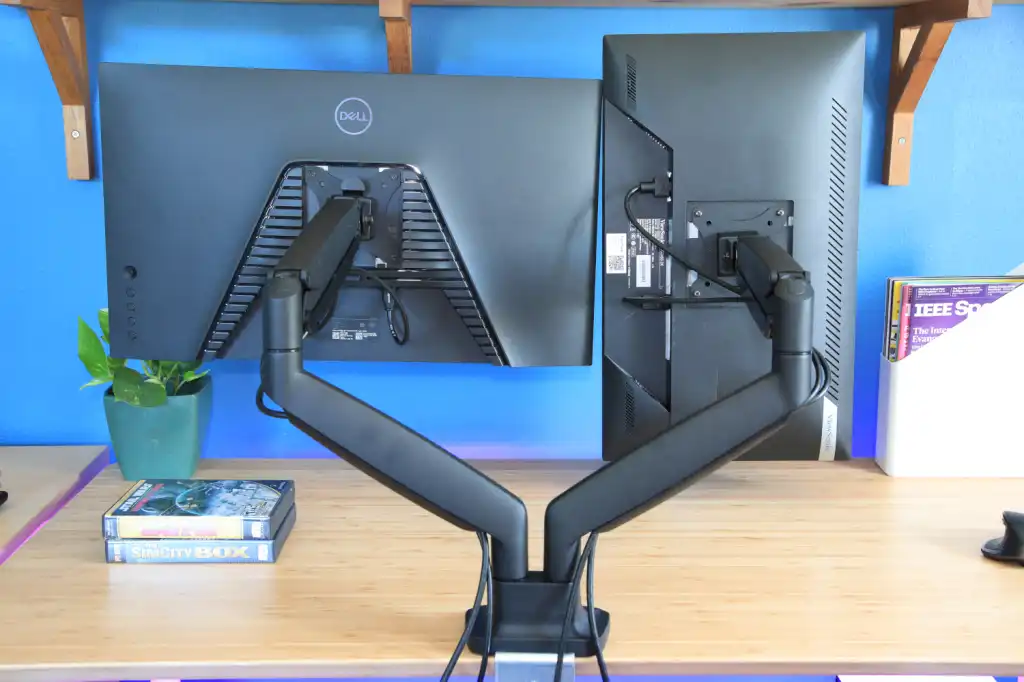
When you’re planning an event or fitting out a permanent space, one question comes up again and again: should your LED screen sit on a floor stand or go up on the wall? Quick answer: floor stands work best for temporary events and venues that change layout often, while wall mounts suit permanent spaces where the screen stays put for years. Getting this decision right depends on how often the screen moves, how much floor space you can spare, and what kind of venue you’re running.
Most event organisers lean towards a portable setup because it gives them flexibility from one booking to the next. That’s exactly why led screen rental has become the go-to option for exhibitions, conferences, and product launches, since a floor-standing screen can be wheeled in, positioned exactly where it’s needed, and taken away again without leaving a mark on the venue.
Floor Stand or Wall Mount?
Floor stands suit temporary events, exhibitions, and venues that change layout regularly, since they need no fixed installation and can be repositioned within minutes. Wall mounts suit permanent venues such as bars, retail units, or boardrooms where the screen stays in one spot, freeing up floor space and creating a cleaner, built-in look.
What Is a Floor Stand LED Screen?
A floor stand is a freestanding frame that holds an LED panel upright without needing to touch a wall. It usually sits on wheels or adjustable feet, so it can be levelled on uneven flooring and rolled between rooms in minutes. Because nothing gets drilled or fixed, floor stands are the natural choice for venues hired by the day, week, or month.
What Is a Wall Mounted LED Screen?
A wall mount fixes the LED panel directly to a wall using a bracket rated for the screen’s weight. Once it’s up, it stays up, which suits businesses that want the display to look like a permanent fixture rather than a temporary kit. Wall mounts also tend to sit flatter against the wall, which matters in tighter spaces such as reception areas or narrow retail units.
When to Use Floor Stands for LED Screens at Events
Floor stands earn their keep at exhibitions, weddings, conferences, and pop-up events where the screen needs to move from one hall or room to another. When comparing suppliers, it’s worth checking how experienced they are with weight-rated stands, cable management, and safe rigging around crowds. The Tekk Group has spent years supplying screens for events of every size, and their team will talk you through which stand suits your venue’s layout before you even confirm a booking.
Outdoor Events and Weather
Outdoor jobs bring extra demands, from wind loading to rain and direct sunlight washing out the picture. An outdoor LED screen rental typically pairs a weighted or ballasted floor stand with weatherproof panels, so the display stays stable and readable even in a breeze. This is one area where a fixed wall mount simply isn’t practical, since most outdoor spaces don’t have a wall to mount to in the first place.
Wall Mounts: Where They Make Sense
Bars, gyms, restaurants, and corporate lobbies tend to favour wall mounts because the screen becomes part of the fixtures rather than something that gets packed away. An indoor LED display rental on a wall mount also keeps gangways clear, which matters in busy venues where floor space is already tight. Once fitted, these screens need very little day-to-day attention beyond routine cleaning and the odd software update.
When a Permanent Fixing Makes Sense
Choose a wall mount when the screen will stay in the same spot for months or years, the wall structure can safely take the load, and you want a tidy, built-in appearance. Venues with fixed seating, reception desks, or branded backdrops usually get more value from a mounted screen than a mobile one.
Floor Stand vs Wall Mount: Quick Comparison
| Feature | Floor Stand | Wall Mount |
| Setup time | Minutes, no tools required | Longer, needs fixing and levelling |
| Portability | Fully mobile, easy to relocate | Fixed in one position |
| Best for | Events, exhibitions, pop-ups | Permanent venues, retail, bars |
| Floor space | Takes up floor footprint | Keeps floor space clear |
| Outdoor use | Well suited with weighted base | Rarely practical outdoors |
Key Factors to Weigh Before You Decide
A few practical questions usually settle the debate faster than any spec sheet:
• How often will the screen move between venues or rooms?
• Is there a suitable wall structure that can take the weight safely?
• Will the screen sit indoors, outdoors, or move between both?
• How much floor space can you realistically spare?
• Does the audience need clear sightlines from multiple angles?
Which Setup Actually Suits Your Venue?
Business owners running a fixed location, such as a showroom or sports bar, generally get more long-term value from a wall mount because it stays out of the way and looks intentional. Event planners booking LED screen rental for events tend to prefer floor stands, since the same screen might be in a marquee on Friday and a conference hall on Monday. Venues that do both, hosting occasional events alongside permanent signage, often keep one screen on a stand for flexibility and a smaller mounted display for everyday use.
Frequently Asked Questions
1. Can a floor stand hold a large LED screen safely?
Yes, provided the stand is rated for the panel’s weight and set up on level ground. Larger screens usually need a wider base or additional support legs to stay stable, especially in busy venues.
2. Do wall mounted screens need a special wall?
The wall needs to be strong enough to carry the screen’s weight through a properly rated bracket. Stud walls, glass, or weak plaster often need reinforcement before a mount can go up safely.
3. Is a floor stand suitable for outdoor use?
Yes, with a weatherproof screen and a weighted or ballasted base to resist wind. Standard indoor stands and panels are not built to handle rain or strong gusts.
4. Can I switch from a wall mount to a floor stand later?
Not directly, since the two use different fixings and frames. Many venues instead keep a mounted screen for daily use and hire a separate floor stand screen for events.
5. How much floor space does a floor stand take up?
Most stands need a footprint of around one to two square metres, depending on screen size, plus clear space around the base for safety. Larger screens need wider, more stable bases.
6. Which option is better for a one-off event?
A floor stand is almost always the better fit for a single event, since it requires no permanent fixing and can be removed the same day without any damage to the venue.
Final Thoughts
Neither setup is universally better, it simply comes down to how the screen will be used. Permanent venues gain more from a wall mount’s clean, out-of-the-way finish, while events and changeable spaces benefit from the speed and flexibility of a floor stand. Working with an experienced supplier makes the decision easier, since they can assess your venue, audience, and layout before recommending the right fit. The Tekk Group has helped venues and event organisers across the UK choose and install the right LED setup for years, and their team is happy to talk through your space before you book. Get in touch today to discuss the best LED screen solution for your venue.
Also read: Badseedtechcarpio
Visit More : widemagazine.co.uk
