
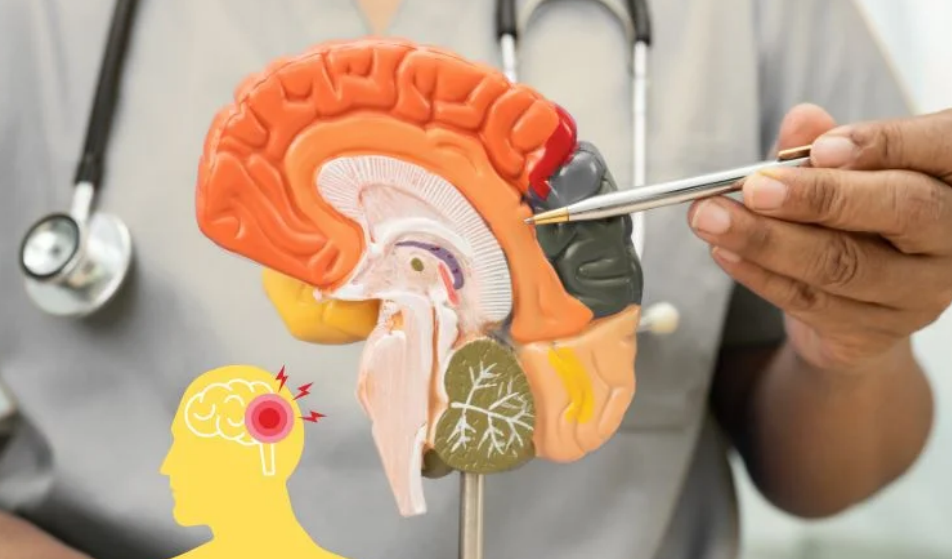
The brain, spinal cord, and nervous system control nearly every function in the human body. When symptoms such as headaches, seizures, back pain, numbness, weakness, or balance problems occur, many people are unsure whether they should consult a neurologist or a neurosurgeon.
Although both specialists focus on disorders affecting the nervous system, their training, expertise, and treatment approaches are different. Understanding these differences can help patients seek the right medical care at the right time. Knowing which specialist is best suited for a particular condition can also improve diagnosis, treatment planning, and long-term health outcomes.
Understanding the Role of a Neurologist
A neurologist is a medical doctor who specializes in diagnosing and treating disorders affecting the brain, spinal cord, nerves, and muscles using non-surgical methods.
Neurologists evaluate symptoms, perform neurological examinations, order diagnostic tests, and develop treatment plans that may include medications, rehabilitation, and lifestyle modifications.
Conditions Commonly Treated by Neurologists
Neurologists frequently manage:
- Migraines and chronic headaches
- Epilepsy and seizure disorders
- Parkinson’s disease
- Multiple sclerosis
- Neuropathy
- Memory disorders
- Stroke recovery
- Movement disorders
Many neurological conditions can be effectively managed without surgery.
Diagnostic Tools Used by Neurologists
Neurologists may recommend:
- MRI scans
- CT scans
- EEG (electroencephalogram)
- Nerve conduction studies
- Blood tests
- Neurological assessments
These tests help identify the underlying cause of symptoms and guide treatment decisions.
Understanding the Role of a Neurosurgeon
A neurosurgeon is a specialist trained to diagnose and surgically treat conditions affecting the brain, spine, and nervous system.
While surgery is a major part of their work, neurosurgeons also evaluate patients and determine whether surgical intervention is actually necessary.
Conditions Commonly Treated by Neurosurgeons
Neurosurgeons may manage:
- Brain tumors
- Spinal tumors
- Herniated discs
- Brain injuries
- Spinal cord compression
- Hydrocephalus
- Certain nerve disorders
- Complex spine conditions
Many patients referred to neurosurgeons ultimately receive non-surgical treatment recommendations when surgery is not required.
Surgical and Minimally Invasive Procedures
Neurosurgeons perform procedures such as:
- Brain surgery
- Spine surgery
- Tumor removal
- Nerve decompression procedures
- Minimally invasive spinal surgery
These interventions are usually considered when conservative treatments are ineffective or when urgent treatment is required.
When Should You See a Neurologist?
For most neurological symptoms, a neurologist is generally the first specialist patients consult. Neurologists are trained to investigate symptoms and identify whether surgery may be necessary.
Many brain and nerve conditions can be managed medically.
Symptoms That Commonly Require Neurological Evaluation
Consider consulting a neurologist if you experience:
- Persistent headaches
- Seizures
- Dizziness
- Numbness or tingling
- Memory problems
- Balance difficulties
- Tremors
- Unexplained weakness
These symptoms may indicate neurological conditions requiring specialized assessment.
Benefits of Early Neurological Care
Early evaluation may help:
- Establish an accurate diagnosis
- Prevent disease progression
- Improve symptom control
- Reduce complications
- Enhance quality of life
Prompt treatment generally leads to better long-term outcomes.
When Should You See a Neurosurgeon?
Neurosurgical consultation is generally recommended when a condition may require surgical intervention or when significant structural abnormalities affect the nervous system.
Many patients are referred to neurosurgeons after evaluation by a neurologist or another specialist.
Situations That May Require Neurosurgical Assessment
Examples include:
- Brain tumors
- Severe spinal stenosis
- Herniated discs causing nerve compression
- Traumatic brain injury
- Spinal cord injuries
- Certain congenital abnormalities
These conditions may benefit from advanced surgical evaluation.
Warning Signs That Should Not Be Ignored
Seek prompt medical attention for:
- Sudden weakness
- Loss of bladder or bowel control
- Progressive neurological symptoms
- Severe spinal pain with nerve symptoms
- Significant balance disturbances
These symptoms may indicate serious neurological conditions that require urgent evaluation.
Conditions Managed by Both Specialists
Some neurological conditions involve both neurologists and neurosurgeons during different stages of care.
Collaboration between specialists provides the most comprehensive treatment approach.
Spine Disorders
For example, patients with a herniated disc may initially receive:
- Medications
- Physical therapy
- Activity modifications
If symptoms persist or nerve compression becomes severe, surgical evaluation may become necessary.
Brain Disorders
Patients with brain tumors can benefit from coordinated care involving:
- Neurologists
- Neurosurgeons
- Oncologists
- Rehabilitation specialists
This multidisciplinary approach supports comprehensive patient care.
Individuals seeking advanced brain and spine care in Gujarat commonly compare qualifications and treatment expertise when choosing a trusted neurosurgeon in Ahmedabad for evaluation of complex neurological and spinal conditions.
Neurologist vs Neurosurgeon: Key Differences
Although both specialists focus on the nervous system, their primary roles differ significantly.
Understanding these differences can help patients make informed healthcare decisions.
Neurologist
Focuses on:
- Non-surgical treatment
- Neurological diagnosis
- Medication management
- Chronic neurological disorders
- Long-term disease monitoring
Neurosurgeon
Focuses on:
- Surgical treatment
- Structural nervous system disorders
- Brain and spine operations
- Trauma-related conditions
- Advanced procedural interventions
Both specialists contribute valuable expertise depending on the patient’s condition.
Who Should You See First?
For most symptoms such as headaches, seizures, dizziness, numbness, or weakness, a neurologist is usually the appropriate first step.
A neurosurgeon becomes involved when imaging studies or evaluations suggest that surgery may be beneficial.
How Neurologists and Neurosurgeons Work Together
Modern neurological care commonly involves collaboration between multiple healthcare professionals.
This teamwork helps ensure patients receive the most appropriate treatment at every stage of care.
Benefits of Collaborative Care
Working together allows specialists to:
- Improve diagnostic accuracy
- Develop personalized treatment plans
- Determine whether surgery is necessary
- Coordinate rehabilitation efforts
- Monitor long-term outcomes
Patients usually benefit from a coordinated and comprehensive approach to care.
Supporting Recovery and Long-Term Health
Whether treatment involves medication, rehabilitation, surgery, or ongoing monitoring, collaborative care helps optimize recovery and support overall neurological health.
Conclusion
Choosing between a neurologist and a neurosurgeon depends on the nature of the condition and the type of treatment required. Neurologists specialize in diagnosing and managing neurological disorders using non-surgical approaches, while neurosurgeons focus on conditions that may require surgical intervention.
Many patients begin their care journey with a neurologist and are referred to a neurosurgeon if surgery becomes necessary. Understanding the differences between these specialists can help individuals seek timely care, receive accurate diagnoses, and access the most appropriate treatment for brain and spine conditions.
Frequently Asked Questions
1. Should I see a neurologist or neurosurgeon first?
For most neurological symptoms such as headaches, seizures, numbness, dizziness, or weakness, a neurologist is usually the appropriate first specialist to consult for evaluation and diagnosis.
2. Do neurosurgeons only perform surgery?
No. Neurosurgeons also evaluate patients, interpret diagnostic studies, and determine whether surgery is necessary. Many patients receive non-surgical recommendations after assessment by a neurosurgeon.
3. What conditions require a neurosurgeon?
Conditions such as brain tumors, spinal cord compression, severe herniated discs, traumatic brain injuries, and certain nerve disorders may require neurosurgical evaluation and treatment.
4. Can a neurologist treat spine problems?
Yes. Neurologists commonly evaluate nerve-related spine symptoms, including numbness, weakness, and pain. They generally provide non-surgical treatment and refer patients for surgery when appropriate.
5. Do neurologists and neurosurgeons work together?
Yes. These specialists frequently collaborate to diagnose conditions, develop treatment plans, determine surgical needs, and support recovery through coordinated patient care.
Visit More : widemagazine.co.uk
