
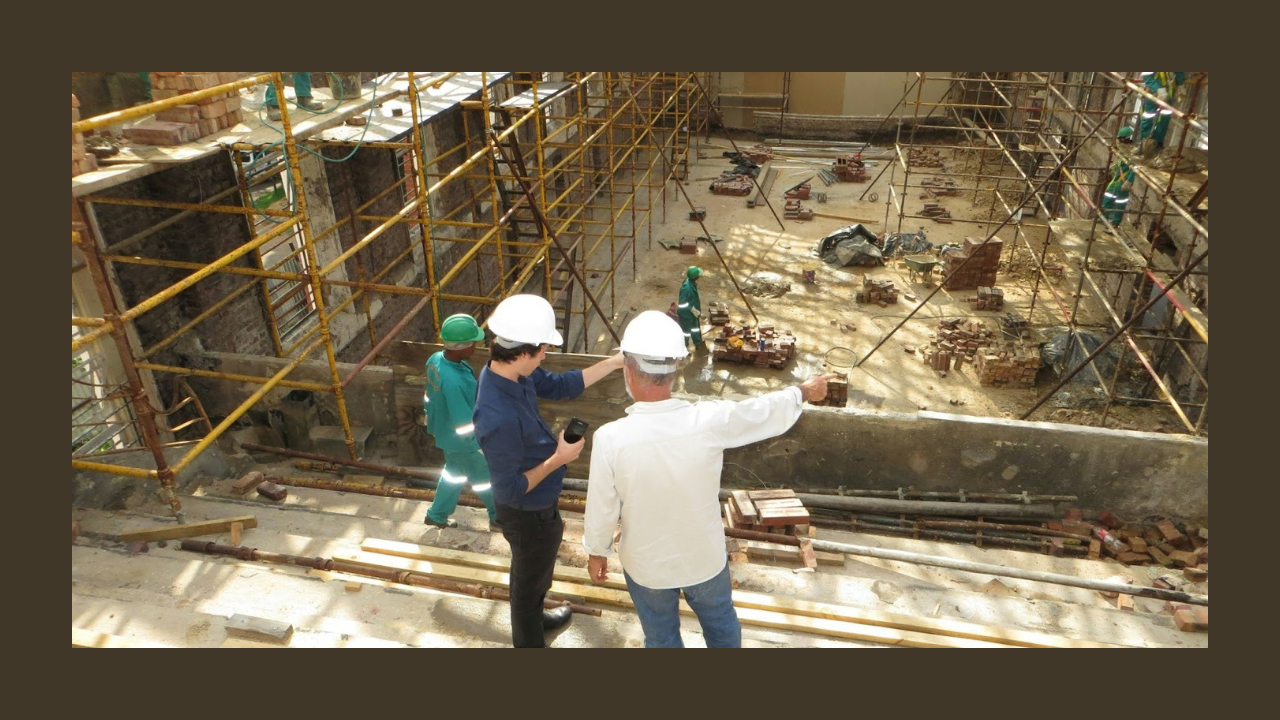
Infrastructure projects often begin with a simple goal: connect a site, protect an area, unlock development, or improve movement. The early stage can feel quiet, yet it is where most risk is created. Decisions about route, scope, approvals, and sequencing shape cost and programme long before machinery arrives. Many clients turn to firms like Mitchell McDermott at this point because early specialist input can prevent the common problems that cause delays and budget drift later.
Infrastructure Consultant Early Advice Protects The Business Case
A project needs a business case that holds up when scrutiny increases. Early consultant input helps define benefits, costs, and risks in a way decision makers can trust.
Consultants clarify what must be delivered and what can be optional. They help separate the desired outcome from the first idea of how to achieve it. That distinction matters because the first idea is not always the best one. With a stronger brief, the business case becomes clearer and less likely to be challenged by late uncertainty.
A solid business case also supports funding and approvals. When assumptions are documented and tested, planning becomes faster and changes become easier to justify.
Feasibility Finds Constraints Infrastructure Consultant Before They Become Problems
Feasibility work is often where time certainty is either earned or lost. Ground conditions, land access, drainage requirements, and existing utilities can reshape a project quickly.
An infrastructure consultant identifies constraints early and tests options against them. They review site information, assess likely diversion needs, and consider logistics such as access routes and traffic management. This prevents surprises that usually appear after design has progressed too far to change cheaply.
Feasibility also includes thinking beyond the build. Maintenance access, future upgrades, and operational costs should be considered early so the final asset remains practical, not just compliant.
Better Scope Definition Improves Cost Control
Cost overruns often start as unclear scope. When requirements are vague, design teams make different assumptions. Contractors then price based on different interpretations, leading to variations and dispute risk.
Consultants help define scope in clear terms. They translate objectives into technical requirements, outputs, and acceptance criteria. They also highlight scope boundaries, making it clear what is included and what is not. This supports accurate cost plans and helps procurement run smoothly.
Clear scope reduces the temptation to keep adding features during design. It also makes change control simpler because any additions are visible and measurable.
Infrastructure Consultant Planning For Approvals And Stakeholders
Infrastructure projects have stakeholders that can change the programme if engagement is late. Local authorities, utilities, landowners, and regulators may all have requirements that affect design and sequencing.
Early consultant involvement supports structured engagement. They help identify who needs to be involved, what approvals are required, and when those steps should happen. They also support documentation so agreements are recorded properly.
Stakeholder planning improves timeline certainty because approvals are often the longest part of the programme. When these steps are mapped early, teams can avoid idle time later.
Programme Certainty Starts With Sequencing
A timeline is only credible when it reflects real dependencies. Utilities coordination, long lead materials, seasonal constraints, and site access windows often control progress more than construction speed.
Consultants build programmes that start from constraints, not hopes. They identify critical path activities, set decision deadlines, and plan procurement milestones. This creates a more realistic timeline and reduces the risk of sudden slippage when a key dependency is missed.
Good sequencing also supports safer delivery. Work packages can be staged to reduce clashes and allow clear access routes for construction and the public.
Procurement Choices Shape Risk And Price
Procurement decisions made early can reduce cost and improve delivery reliability. If procurement starts late, teams are forced into rushed tendering, limited contractor choice, and higher contingency pricing.
Consultants support procurement strategy by clarifying scopes, packaging work sensibly, and setting evaluation criteria that reflect project priorities. They also help align tender documentation so contractors can price accurately and clients can compare offers fairly.
This work reduces claims risk. Clear contract scope and defined responsibilities make it harder for disputes to grow during delivery.
Design Reviews Reduce Rework
Design changes are expensive once work begins. Early technical review helps prevent rework by catching issues while they are still easy to fix.
Consultants review design concepts for buildability, safety, and coordination. They check that drainage, access, and utility interfaces make sense. They also look for conflicts between disciplines that can cause site delays. This kind of review is often faster and cheaper than solving problems during construction.
Design review also protects long term performance. A layout that is easy to maintain and inspect reduces lifecycle cost and limits disruption later.
Risk Management From Day One
Risks exist in every infrastructure project. The difference is whether they are managed early or allowed to surface when the project is already committed.
Consultants create practical risk registers, assign owners, and track mitigation actions. They also support change control processes so new risks are assessed and documented rather than handled informally. This reduces cost drift because risks are not allowed to become hidden scope.
When risk is managed early, contingency can be more targeted. That improves budget control without creating false confidence.
Early Support Leads To Smoother Delivery
Hiring an infrastructure consultant early improves outcomes because it brings structure to the stage where decisions have the greatest leverage. Feasibility work identifies constraints before they trigger delays. Clear scope supports accurate budgets. Stakeholder planning reduces approval risk. Sequenced programmes improve time certainty. Procurement strategy reduces claims and price inflation. Design review cuts rework. When early guidance is in place, projects enter construction with clearer direction, stronger cost control, and a timeline that is more likely to hold.
