
Every electrical project begins with a plan; however, a good plan calls for extra than simply knowing what needs to be installed. Contractors must recognize the total value of materials, labor, equipment, and other project necessities before work begins.
Electrical projects can become expensive and time-consuming when prices are not calculated properly. Rising material costs, changing assignment conditions, and erroneous labor predictions can create financial challenges and reduce profitability. Accurate value practice allows project teams to make higher selections, create practical budgets, and avoid unnecessary financial stress.
By reading each part of an electrical project, contractors can enhance efficiency, control spending, and maintain higher overall performance. A well-prepared estimate gives a clear path and helps make certain that electrical work is completed within the predicted budget and timeline.
Understand the Project Scope Before Estimating Costs
The first step in estimating electrical costs is understanding the entire scope of the venture. Contractors want to review drawings, specs, set-up requirements, and project expectations before calculating fees.
A designated project assessment enables the discovery of the sort of electrical structures required, the materials involved, and the quantity of work required. Without a clear understanding of the work, estimates may emerge as inaccurate and create issues later.
Every element is subject to change in electrical tasks. The number of circuits, equipment requirements, wiring methods, and protection requirements all impact the final cost.
Understanding venture scope facilitates contractors:
- Identify project requirements accurately
- Determine essential materials
- Estimate hard work requirements appropriately
- Avoid lacking essential fees
- Reduce surprising changes
A complete understanding of the task creates the basis for a reliable and sensible estimate.
How Estimating Improves Cost Accuracy
Electrical Estimating is a critical method that facilitates contractors in calculating the expected prices of an electrical assignment before construction starts offevolved. It entails reading drawings, measuring quantities, evaluating labor requirements, and reviewing material costs.
Accurate estimating allows contractors to understand the financial needs of an undertaking and prepare better budgets. Instead of counting on assumptions, contractors can make selections based on distinct cost data.
A right estimate also facilitates picking out viable demanding situations early. For example, estimators can recognize areas where extra labor, unique equipment, or high-priced materials might also have an effect on the overall budget.
This type of estimating enables contractors:
- Calculate accurate assignment expenses
- Prepare aggressive bids
- Reduce monetary uncertainty
- Plan resources effectively
- Improve assignment selection-making
With accurate price information, contractors can manage tasks more effectively with a bit of luck and reduce the risk of budget problems.
Calculate Material Costs and Quantities Carefully
Materials are one of the biggest expenses in electrical tasks. Items which includes wires, cables, panels, switches, fixtures, and conduits have to be calculated accurately to avoid waste and pointless spending.
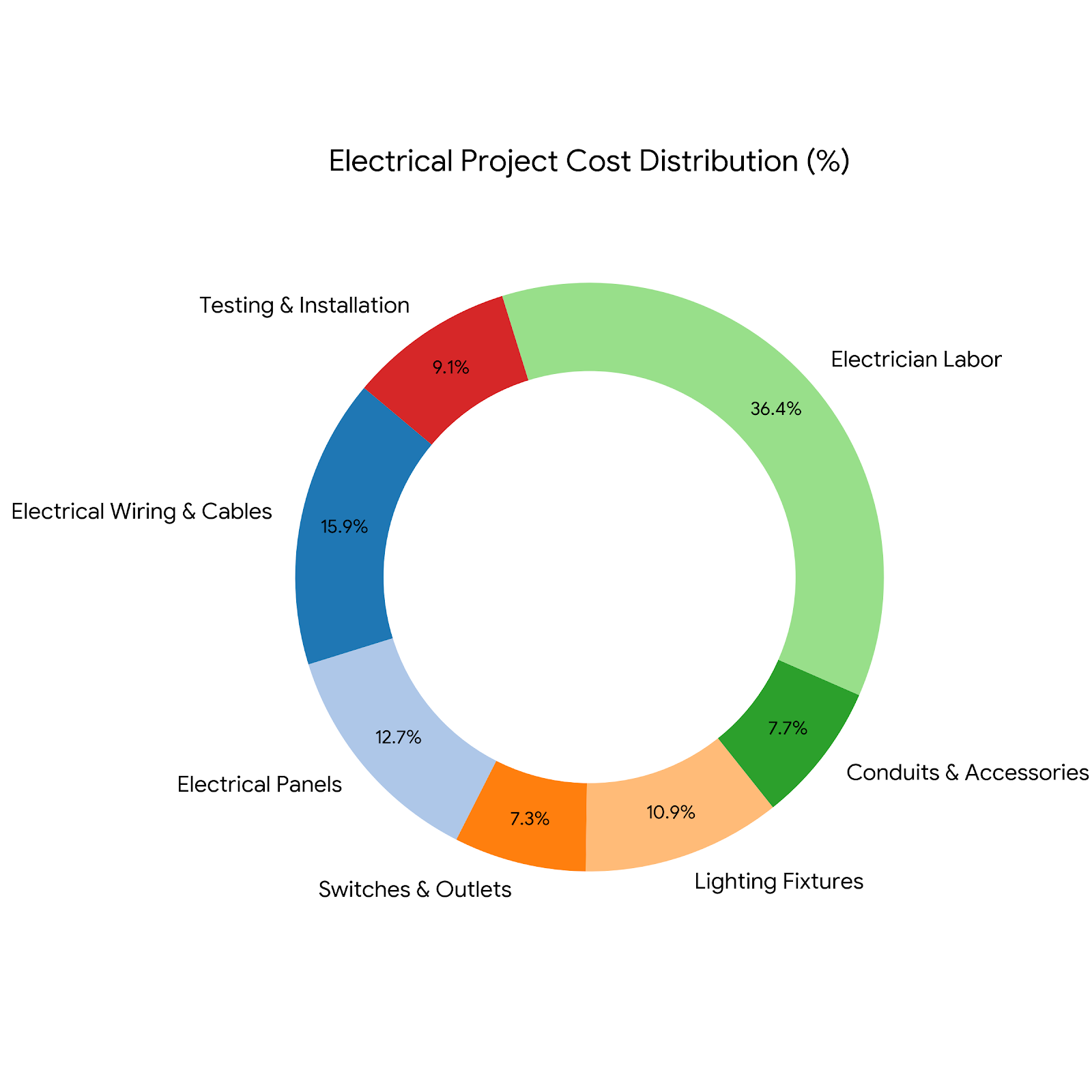
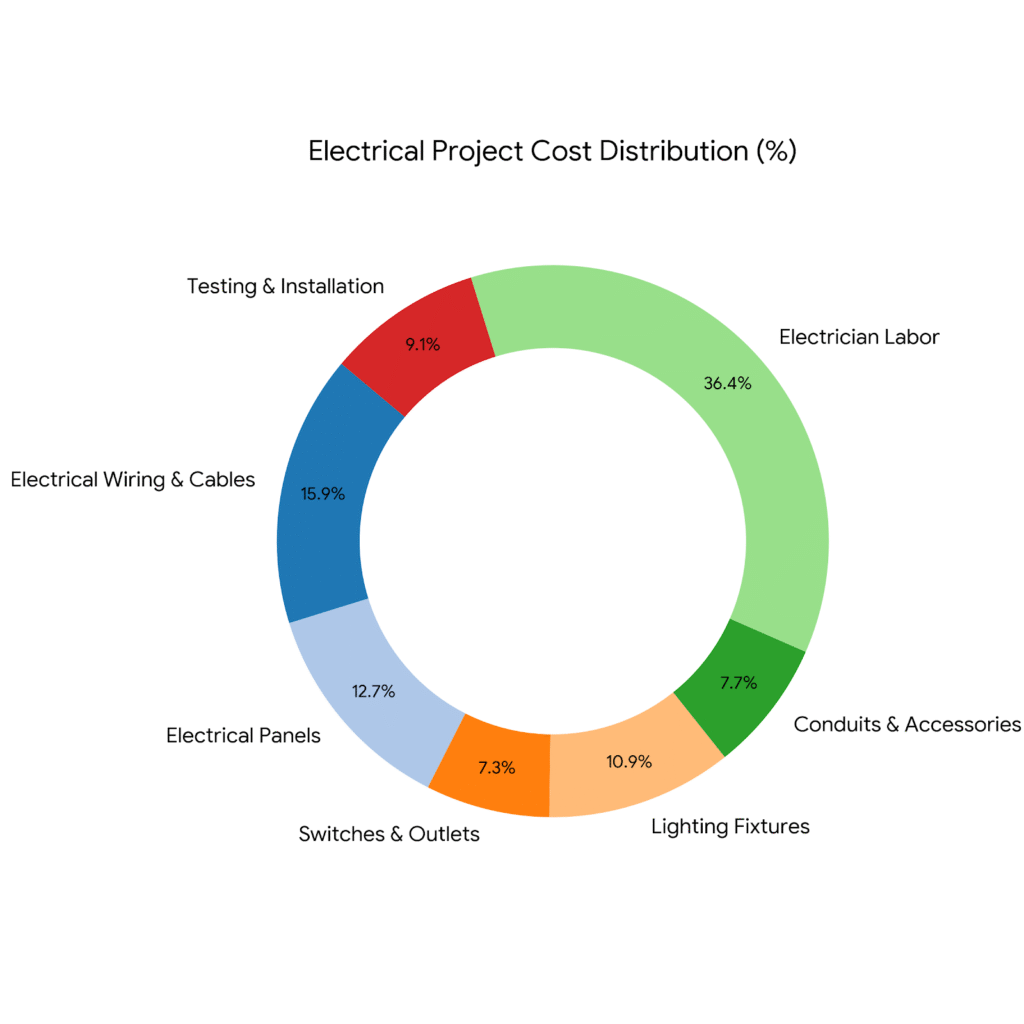
| Cost Category | Estimated Quantity | Estimated Cost | Budget Share (%) |
| Electrician Labor | $160Hours | $8,000 | 36.4% |
| Electrical Wiring & Cables | $2,500ft | $3,500 | 15.9% |
| Electrical Panels | $2 Units | $2,800 | 12.7% |
| Lighting Fixtures | $40 Units | $2,400 | 10.9% |
| Testing & Installation | Complete Work | $2,000 | 9.1% |
| Conduits & Accessories | Complete Set | $1,700 | 7.7% |
| Switches & Outlets | $80 Units | $1600 | 7.3% |
| Total Estimated Project Cost | — | $22,000 | 100.% |
Table: Example Electrical Project Material and Labor Cost Estimate
Estimators review electrical drawings to decide the precise amount of materials required. This enables contractors to buy correctly and prevents delays because of fabric shortages.
Material costs can vary depending on market conditions, so up-to-date pricing information is essential when preparing an estimate.
Professional Electrical Estimating Services assist contractors in examining fabric requirements, comparing charges, and creating distinctive reports that improve economic planning.
Important elements in material estimation consist of:
- Required amount of materials
- Current market costs
- Project specs
- Installation requirements
- Possible fabric waste
Accurate material calculations help contractors hold better control over project costss.
Estimate Labor Costs Based on Project Complexity
Labor costs can considerably affect the full budget of an electrical project. Estimating labor costs calls for understanding the complexity of the work, the expected timeline, and the number of workers required.
Different initiatives require distinctive skill levels. A residentialelectricalc setup may require fewer employees in comparison to a large commercial or industrial project.
Estimators take into account running hours, team size, levels, and placement situations when calculating hard work expenses.
Labor cost estimation depends on:
- Number of electricians wrequiredExpected running hours
- Worker skill levels
- Project problem
- Completion schedule
Accurate hard work planning helps contractors improve productivity and avoid surprising will increase in task prices.
Use Drawings and Technology to Improve Estimation
Electrical drawings offer vital statistics about system layouts, wiring details, device locations, and setup requirements. Reviewing those drawings carefully permits contractors to create more accurate estimates.
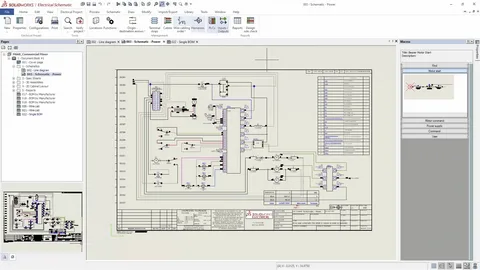
Modern estimating software programs have also improved the way electrical tasks are planned. Digital gear helps arrange challenge records, perform calculations faster, and reduce manual mistakes.
Technology allows contractors to update estimates without difficulty when assignment necessities or prices change.
Technology supports better estimation via:
- Faster calculations
- Reduced errors
- Better value monitoring
- Improved venture organisation
- Easier estimate updates
Combining technology with professional know-how creates more accurate and dependable assignment estimates.
Consider Additional Costs and Future Risks
A complete electrical estimate ought to include more than materials and labor. Additional fees consisting of equipment rental, permits, transportation, trying out, and unexpected adjustments can have an effect on the final project cost.
Ignoring these factors can create budget issues during production. Estimators have to take into account potential risks and include proper allowances to create a practical economic plan.
Planning for capability-demanding situations enables contractors to stay prepared and maintain better cost management.
Additional expenses may additionally consist of:
- Equipment costs
- Permit charges
- Transportation fees
- Testing necessities
- Unexpected assignment adjustments
Including these charges creates a more complete estimate and reduces the chances of economic surprises.
How Professional Estimating Support Helps Electrical Projects
Accurate estimating affords contractors better control over the task price range. It facilitates groups to recognize anticipated charges, control sources, and make informed selections in the course of the development process.
Professional Construction Estimating Services assist contractors by means of imparting exact cost evaluation, enhancing budgeting accuracy, and assisting businesses in putting together stronger mission plans.

With reliable estimates and proper planning, electric contractors can reduce risks, improve profitability, and complete initiatives more efficiently.
Final Thoughts
Accurately estimating labor and material expenses is one of the most critical steps in coping with a hit electric tasks. Proper estimation facilitates contractors’ management of budgets, reduces risks, and makes better selections earlier than construction starts.
By combining detailed planning, up-to-date price records, technology, and professional estimating support, electrical contractors can improve project efficiency and profitability. A reliable estimate is not just a calculation; it is a powerful tool for accomplishing long-term project success.
FAQs
1. Why is electrical cost estimation vital?
Electrical cost estimation enables contractors to comprehend project costs, prepare correct bids, and avoid unexpected budget issues.
2. What factors affect electrical project expenses?
Material costs, labor requirements, project complexity, systeneedses, and setup conditions can all affect electric challenge fees.
3. How do contractors estimate electrical materials?
Contractors estimate materials by reviewing drawings, calculatingquantitiess, checking specs, and reading current prices.
4. How can labor expenses be managed in electric projects?
Labor costs can be controlled through correct planning, right scheduling, green staff control, and realistic estimates.
5. Can generation improve electrical estimating accuracy?
Yes, virtual estimating gear helps lessen errors, speed up calculations, and offer better cost control.
