
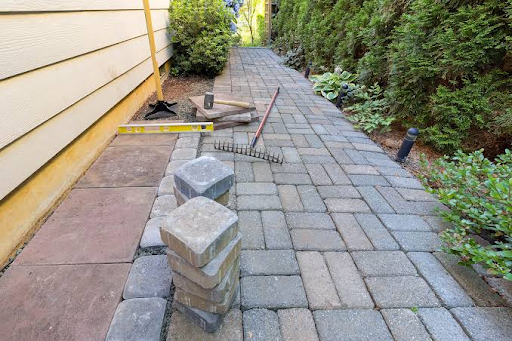
A sloped yard can offer more visual interest than a flat outdoor space. However, uneven ground creates challenges for landscaping, drainage, and everyday use. Rainwater travels downhill and can carry loose soil with it. Over time, this movement can create channels, expose roots, and leave uneven patches across the landscape.
A geocell ground grid provides a way to confine soil or aggregate within connected cells. Its honeycomb structure helps limit sideways movement and supports the material inside each section. This makes a geocell ground grid useful for paths, landscaped slopes, and other outdoor areas that need surface reinforcement.
The right approach depends on the slope, soil type, water flow, and intended use. A suitable ground reinforcement system should work with the natural conditions rather than ignore them.
What Causes Soil Erosion on Sloped Ground?
Soil erosion often starts when rainwater moves across exposed ground. As water flows downhill, it can loosen surface particles and carry them toward lower areas. Bare soil is especially vulnerable because it lacks vegetation or other surface protection.
Several conditions can increase this problem:
- Heavy rainfall can create strong surface runoff.
- Loose soil can move more easily under flowing water.
- Steep gradients can increase the speed of runoff.
- Poor drainage can concentrate water in specific areas.
- Missing vegetation leaves the surface exposed.
- Construction activities can disturb existing soil structure.
Repeated water movement can create small channels known as rills. These channels may become deeper if runoff continues along the same route. Addressing the surface conditions early helps prevent further soil loss.
How Cellular Confinement Helps Protect Slopes
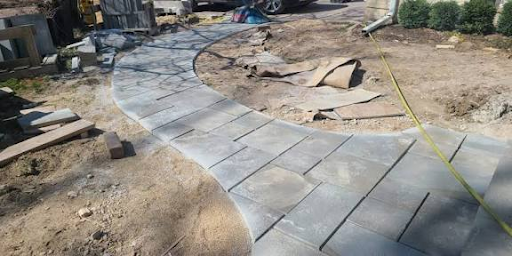
A cellular confinement system divides a surface into connected sections. Each cell holds its selected filling material within a defined space. This structure helps reduce lateral movement and supports a more consistent surface.
A hardscape stabilization grid can be used with gravel, soil, or other suitable infill materials. The choice depends on whether the area needs a walking surface, planted finish, or general ground reinforcement.
The cells also help distribute pressure across the prepared ground. This matters when people walk over a landscaped slope or use a reinforced access route. However, surface confinement is not the same as deep soil stabilization. A geocell system cannot correct an unstable hillside or replace proper geotechnical design.
Understanding the Role of Cell Depth and Material
Cell depth affects how much filling material each section can hold. It also influences the type of project for which a system may be suitable. A deeper cell structure may be appropriate for applications that require greater material confinement.
Material selection matters as well. High density polyethylene is commonly used in cellular ground reinforcement products. It provides a flexible structure that can expand into a honeycomb pattern and hold suitable infill.
For example, the supplied product specification describes an HDPE grid with a 2 inch depth, 1.5 mm thickness, and drainage openings. These details help identify the system’s physical design, but project suitability still depends on site conditions and engineering requirements.
Selecting Erosion Control Matting for Your Project
Erosion control matting and cellular grids serve related but different purposes. Mats cover the soil surface and help protect it from rainfall impact. Cellular grids contain filling material within separate sections. Some projects may need one system, while others may require a combination.
When choosing erosion control matting, consider the slope gradient, soil composition, rainfall exposure, and expected vegetation growth. The required protection period also matters. Temporary natural fiber mats may suit planting projects, while synthetic products may be considered where longer surface protection is needed.
Water flow should guide the decision. A mat designed for gentle surface runoff may not suit a concentrated drainage channel. Similarly, a grid should not be treated as a complete solution for a slope with deep movement or structural instability.
Check the manufacturer’s installation instructions, anchoring requirements, material life, and application limits. For larger or steep projects, professional assessment can help determine the right combination of surface protection and structural support.
Making a Sloped Backyard More Useful
A sloped backyard does not have to remain an unused patch of land. With careful planning, different sections can serve different purposes. The first step is to understand the existing elevation and identify how people will use the space.
A hardscape stabilization grid may support selected areas where a reinforced gravel or soil surface is needed. Other parts can include planting beds, seating areas, or small outdoor terraces.
Consider these practical improvements:
Create separate activity zones: Use the upper section for seating and the lower section for planting or recreation. This gives each part of the yard a clear purpose.
Introduce planting areas: Groundcover, shrubs, and suitable plants can soften exposed soil. Their root systems may also contribute to surface soil protection.
Build level resting spaces: Small terraces can provide room for outdoor furniture or garden features. Their retaining structures must be designed for the soil and loading conditions.
Improve access: Connect different levels with steps, paths, or suitable ramps where appropriate. Make sure the route has a stable surface and safe transitions.
Manage water movement: Direct roof runoff and other concentrated water sources away from vulnerable soil. Use suitable drainage measures to avoid creating new erosion points.
The aim is to make the slope easier to use without removing its natural character. Avoid unnecessary excavation, especially where large changes in ground level could affect stability.
Planning Safe Walkways Across Uneven Terrain
Access is an important part of any sloped landscape. A poorly planned route can become uncomfortable or unsafe during wet weather. The path should follow a practical direction and connect the areas people use most.
A geocell ground grid can help contain gravel on suitable sections of an outdoor walkway. Before installation, consider the route’s gradient, width, drainage, and expected foot traffic. The foundation should be prepared to suit the ground conditions.
For longer slopes, changes in direction can make the route easier to follow. Landings can provide resting spaces between stair sections. Edging can also define the path and help contain its surface material.
Preparing the Ground Before Installing a Grid
Installation starts with a careful site inspection. Identify soft soil, existing drainage channels, tree roots, and areas where water collects. These conditions can affect the foundation and the placement of the reinforcement system.
Remove loose debris and unsuitable surface material. Shape the ground to match the planned layout. Where required, prepare a compacted aggregate base that provides suitable support beneath the grid.
Next, position the grid according to its installation instructions. Expand it evenly and connect adjoining sections as specified. Secure the system with appropriate anchors before adding the selected filling material.
A hardscape stabilization grid should sit evenly against the prepared surface. Avoid leaving open gaps between connected sections. Fill the cells carefully and distribute the material across the structure.
Checking Drainage and Anchoring
Water management needs attention before and after installation. Identify where runoff enters the slope and where it should safely leave the area. Do not allow water to collect behind an edge or flow beneath the reinforcement system.
Anchoring is also important on sloped ground. The required anchor type and spacing depend on the system, soil, and gradient. Follow the manufacturer’s guidance rather than using the same fixing method for every project.
For steep slopes, long embankments, or areas with signs of ground movement, consult a qualified professional. Surface reinforcement alone may not provide the support required for these conditions.
Maintenance After Slope Stabilization
A reinforced surface still needs regular inspection. Rain, vegetation growth, and everyday use can affect the finished area. Checking the slope helps identify small issues before they become larger problems.
Look for exposed cells, displaced filling material, damaged edges, and new water channels. Remove debris from drainage routes so water can move through the planned outlets. Replace missing soil or aggregate where necessary.
Vegetated sections need suitable care while plants establish. Monitor bare patches and add planting where appropriate. Avoid removing established vegetation without considering its role in holding the surface soil.
Inspect the area after heavy rainfall. New cracks, bulges, or significant ground movement may indicate a deeper stability problem. These signs require professional assessment rather than simple surface repairs.
Choosing the Right Stabilization Approach
Every sloped landscape has different requirements. A small garden bank may need surface protection and planting, while a large embankment may require engineered reinforcement and drainage.
A geocell ground grid can be considered when the project needs cellular confinement for soil or aggregate. Check its dimensions, material, cell depth, drainage openings, and intended applications before making a selection.
The surrounding landscape also matters. Consider how the reinforced area will connect with retaining structures, pathways, planting beds, and existing ground levels. A well-planned layout should address both surface performance and everyday use.
The most suitable hardscape stabilization grid is one that matches the actual project conditions. Proper preparation, suitable infill, secure installation, and ongoing inspection all contribute to the finished result.
FAQs
Can a geocell ground grid prevent all types of slope erosion?
No. It helps confine surface soil or aggregate, but it cannot prevent every form of erosion or correct deep slope instability. Drainage and site conditions must also be addressed.
What should I consider when selecting a grid for slope protection?
Consider the slope gradient, soil type, filling material, drainage requirements, cell depth, and anchoring method. Check the system’s application limits before installation.
Can vegetation grow inside a geocell system?
Yes. Suitable topsoil can be used as infill for planted applications. Plant selection should match the local climate, soil, and moisture conditions.
Can you suggest walkway designs for sloped yards?
Curved gravel paths, stepped walkways with landings, and terraced paths are practical options. Choose a layout that follows the terrain and provides stable footing and suitable drainage.
Does a cellular grid need a prepared foundation?
Yes. The ground should be assessed, shaped, and prepared before installation. The required base depends on soil conditions and the intended application.
