
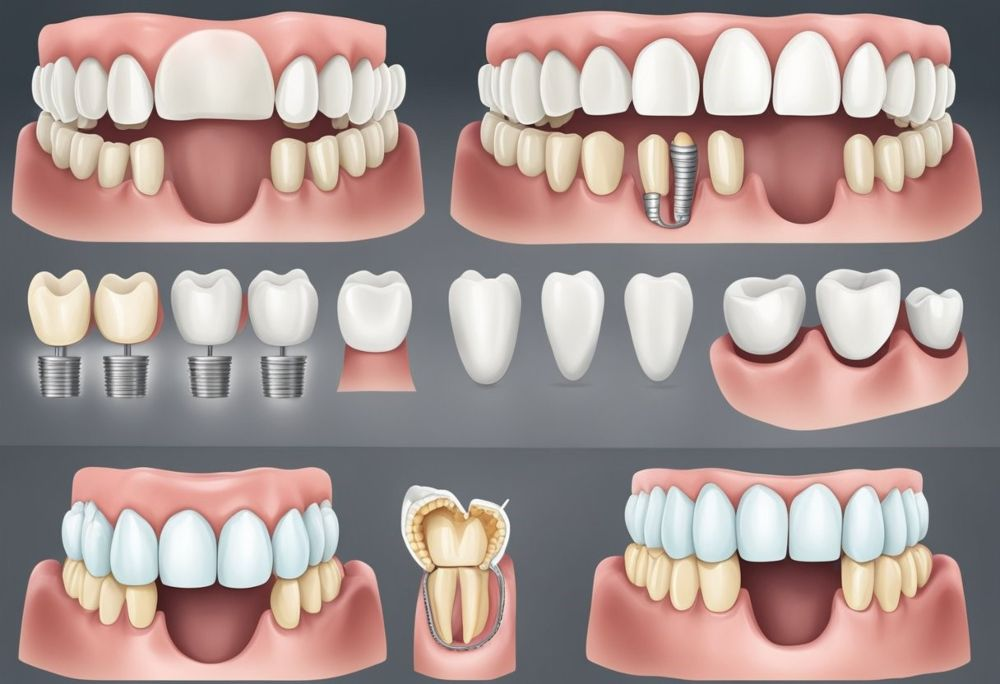
A fixed full-arch restoration can replace a complete upper or lower row of teeth with a prosthesis supported by dental implants. It may appeal to someone who finds a removable denture difficult to wear, but it is a substantial treatment decision. The consultation is a chance to understand not only what the finished teeth might look like, but also what surgery, healing and long-term care would involve.
Bring a list of your medicines, relevant medical conditions and previous dental work. If you already wear dentures, take them along. The questions below can help you leave with a clearer picture of your options rather than a decision based on a single image or headline price.
Am I a suitable candidate, and what are the alternatives?
Ask what the clinician needs to establish before recommending implants. An examination and imaging may be needed to assess bone, gum health and the position of important anatomical structures. General health, smoking, medicines and any history of gum disease can also affect planning. Explain what you hope treatment will change, whether that is chewing, speech, comfort or appearance.
It is worth asking, “What would you recommend if I chose not to have a fixed restoration?” Depending on your circumstances, alternatives might include keeping and treating remaining teeth, a conventional denture or an implant-retained removable denture. If teeth are being proposed for extraction, ask why they cannot reasonably be retained and what the consequences of delaying treatment might be. A useful consultation makes room for those comparisons without assuming one approach suits everyone.
What exactly is included in the proposed plan?
A fixed full-arch restoration can be planned in several ways. At an All-on-4 clinic in Sydney, ask how many implants the clinician proposes, where they would go and how the design relates to your jaw and any remaining teeth. Four implants may be part of the discussion. The clinician can explain why that arrangement or another option suits the findings from your assessment.
Clarify who will carry out each stage: extractions, implant surgery, design of the new teeth and later adjustments. Ask whether a temporary fixed set of teeth is planned, when it would be fitted and what would happen if that proves unsuitable on the day. Temporary teeth and the final prosthesis may differ in material, shape and what you can comfortably eat while healing.
What could change during treatment?
A written plan should distinguish what is known now from what can only be confirmed after further assessment or surgery. Ask whether bone grafting or other preparatory work might be needed. If implants cannot be placed or loaded as expected, what is the backup plan? Would you use a removable denture for a period, and would that change the cost or timetable?
Discuss risks in terms you understand. Relevant issues may include infection, bleeding, implant failure, damage to nearby structures and complications with the prosthesis. Your clinician can explain which risks matter most in your case and what steps are taken to reduce them. Ask what symptoms after surgery require an urgent call and whom to contact outside normal hours. No treatment plan can promise a particular outcome or guarantee that implants will last for life.
What will recovery and everyday care require?
Before choosing a date, ask for a realistic account of the first days and weeks. How long might you need to adjust work, exercise and meals? What food restrictions would apply, and for how long? If you travel a considerable distance for appointments, ask how many visits are expected and which are time-sensitive. Recovery varies, so a personalised plan is more useful than a promise that you will be back to normal immediately.
A fixed restoration stays in place for daily use, but that does not make it maintenance-free. Ask the team to demonstrate how you would clean around and beneath it and what tools they recommend. Find out how often they expect to review the implants and prosthesis, whether parts may need repair or replacement, and whether the restoration must ever be removed by a clinician for maintenance. If hand dexterity or access to appointments could make care difficult, raise that before committing.
How do I compare the full cost?
Request an itemised written estimate in Australian dollars. Check whether it covers assessment, scans, extractions, temporary teeth, the final prosthesis, review visits and any anticipated preparatory work. Ask which costs are estimates and which might change if the surgical plan changes. The lowest initial quote may not be the least expensive option over time if it excludes stages or maintenance.
If you have private health insurance, ask the practice for the relevant item numbers and check benefits, limits and waiting periods directly with your fund. Do not assume cover based on a general description of dental implant treatment. If payment arrangements are offered, read the terms separately from the clinical consent documents so you can consider the total amount payable.
What should I take away from the appointment?
Ask for a copy of the proposed plan, including alternatives, key risks, expected stages and costs. You can also ask what evidence from your examination supports the recommendation and which questions remain unanswered. A second opinion may be useful if extractions are proposed, the plan is complex or you feel unsure.
There is no need to make a major decision while you are still absorbing new information. A productive consultation should leave you able to explain the recommended treatment in your own words, understand what daily care would demand and know what might happen if the plan needs to change.
