
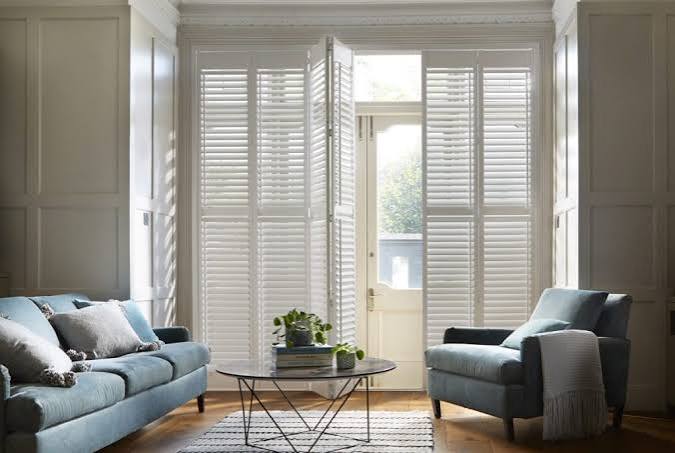
Interior shutters can change how a room handles daylight, privacy and everyday cleaning. Choosing them well involves more than selecting a colour: window geometry, moisture exposure, opening clearance and the way each room is used all influence the result.
People researching shutters kent should look beyond a headline description and consider the practical details that determine whether a service or product is suitable.
Begin with the room
A bedroom may prioritise privacy and light control, while a kitchen needs surfaces that tolerate regular cleaning. Identify the main objective before comparing designs. Good decisions depend on accurate information rather than assumptions. Ask which factors are specific to the situation, what evidence is available and whether an alternative approach would be safer or more practical. A useful explanation should make the trade-offs understandable. The most effective next step is one that reflects the actual circumstances rather than an idealised example.
Measure more than width
Check the reveal depth, frame shape and any uneven surfaces. Window handles, vents and projecting sills can affect how panels open. Communication should be clear enough that everyone involved knows what happens next. Agree on responsibilities, realistic timing and the information that needs to be shared. Where circumstances change, revise the plan rather than relying on an outdated understanding. The most effective next step is one that reflects the actual circumstances rather than an idealised example.
Understand full-height designs
Full-height shutters cover the window opening and can offer a consistent appearance. Their panel configuration should allow convenient access to the window. An apparently simple choice can have consequences for cost, access, safety or long-term usability. Consider those consequences before proceeding. If specialist assessment is appropriate, it is better to obtain it than to depend on unsupported assurances. The most effective next step is one that reflects the actual circumstances rather than an idealised example.
Consider tier-on-tier panels
Separate upper and lower panels can provide flexible privacy, but the extra moving sections may not suit every window size or room layout. Keep a concise record of decisions, relevant instructions and any follow-up. Documentation makes it easier to compare progress against the original objective and reduces confusion if another person becomes involved later. The most effective next step is one that reflects the actual circumstances rather than an idealised example.
Explore café-style coverage
Partial-height shutters can screen the lower part of a street-facing window while leaving upper glazing exposed. The trade-off is less overall light blocking. Review the outcome rather than assuming that completion of an activity means the underlying goal has been achieved. If the result is unclear, identify what should be checked next and who is qualified to interpret it. The most effective next step is one that reflects the actual circumstances rather than an idealised example.
Match materials to conditions
Different materials have different tolerances for moisture, heat and routine wear. Ask the supplier which product is appropriate for bathrooms, kitchens and sunny elevations. Start by identifying the intended outcome and the constraints that could affect it. A short discussion before making commitments often reveals details that a generic checklist misses. Record any uncertainty so it can be addressed by someone with appropriate expertise. The most effective next step is one that reflects the actual circumstances rather than an idealised example.
Plan the louvre size
Wider louvres can create a different view and appearance from narrower ones. Their proportions should suit the window dimensions and the level of privacy required. Good decisions depend on accurate information rather than assumptions. Ask which factors are specific to the situation, what evidence is available and whether an alternative approach would be safer or more practical. A useful explanation should make the trade-offs understandable. The most effective next step is one that reflects the actual circumstances rather than an idealised example.
Check colour in real light
Samples can appear different in morning daylight and artificial evening light. Compare finishes against existing joinery rather than relying only on screen photographs. Communication should be clear enough that everyone involved knows what happens next. Agree on responsibilities, realistic timing and the information that needs to be shared. Where circumstances change, revise the plan rather than relying on an outdated understanding. The most effective next step is one that reflects the actual circumstances rather than an idealised example.
Allow for access and cleaning
Shutters need enough clearance to operate without striking furniture or fittings. Consider how the glass and frames will be cleaned after installation. An apparently simple choice can have consequences for cost, access, safety or long-term usability. Consider those consequences before proceeding. If specialist assessment is appropriate, it is better to obtain it than to depend on unsupported assurances. The most effective next step is one that reflects the actual circumstances rather than an idealised example.
Think about unusual shapes
Bay windows, arches and other nonstandard openings may require careful design. A site survey can establish whether the desired configuration is practical. Keep a concise record of decisions, relevant instructions and any follow-up. Documentation makes it easier to compare progress against the original objective and reduces confusion if another person becomes involved later. The most effective next step is one that reflects the actual circumstances rather than an idealised example.
Review installation details
Ask how frames will be fixed, how uneven reveals will be handled and whether decorating or making good is included. Review the outcome rather than assuming that completion of an activity means the underlying goal has been achieved. If the result is unclear, identify what should be checked next and who is qualified to interpret it. The most effective next step is one that reflects the actual circumstances rather than an idealised example.
Understand the quotation
Confirm material, finish, panel layout, installation scope, expected lead time and warranty terms before approving an order. Start by identifying the intended outcome and the constraints that could affect it. A short discussion before making commitments often reveals details that a generic checklist misses. Record any uncertainty so it can be addressed by someone with appropriate expertise. The most effective next step is one that reflects the actual circumstances rather than an idealised example.
Making an Informed Decision
Before choosing detail shutters, request a clear explanation of the proposed scope, relevant limitations and how the outcome will be evaluated. Claims should be verifiable, and important decisions should not depend on vague guarantees. A provider’s role is to explain what can reasonably be expected and when additional specialist advice is required.
Conclusion
Preparation, transparent communication and periodic review make complex decisions easier to manage. The right approach is one that suits the individual situation, acknowledges uncertainty and puts practical outcomes ahead of promotional claims.
