
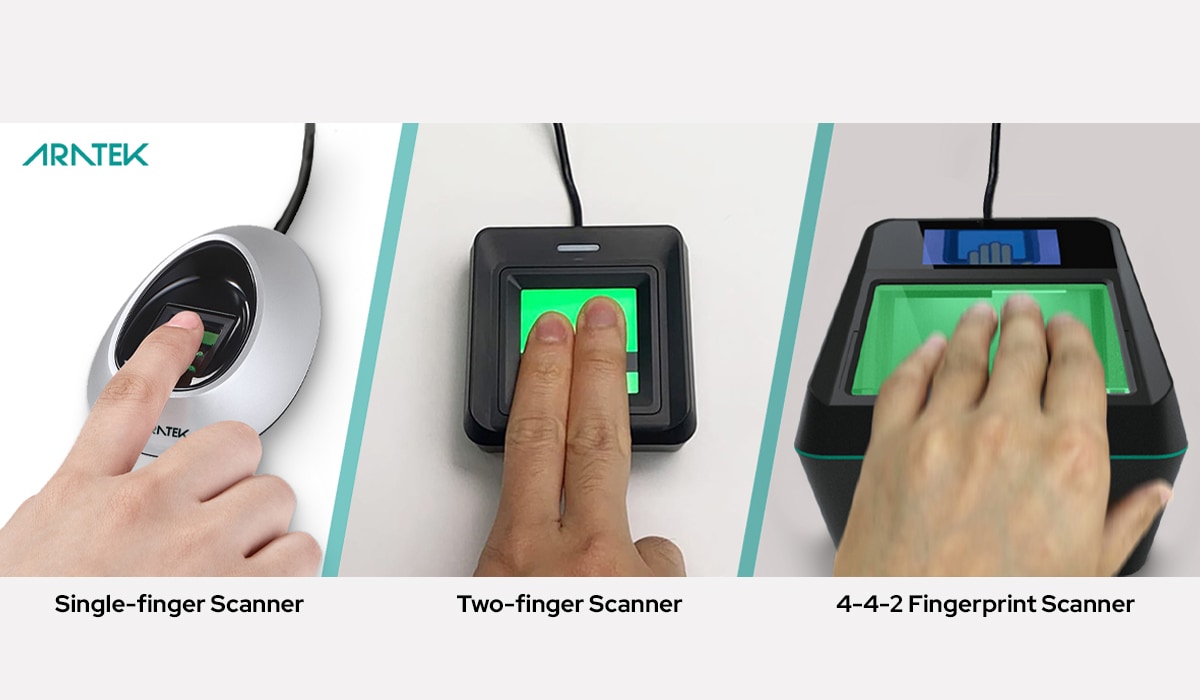
Biometric scanner devices are now used in workplaces, airports, banks, hospitals, smartphones, and government systems to verify identity through fingerprints, facial features, iris patterns, voice recognition, and other unique human traits.
A few years ago, entering a secure office usually meant carrying an ID card or remembering a password. If someone forgot their access card, work stopped. If passwords were shared, security risks increased. Businesses needed something more reliable.
Today, identity verification works differently. A fingerprint, face scan, or iris scan can confirm a person’s identity within seconds.
The biggest reason biometric technology keeps growing is simple: it connects security directly to human identity.
Instead of depending on something people know or carry, biometric systems verify something they are.
What Are Biometric Scanner Devices?
Biometric scanner devices are systems that capture and analyze biological or behavioral characteristics to identify a person. These devices compare scanned biometric data with stored records to verify identity.
Common biometric traits include:
- Fingerprints
- Facial structure
- Iris patterns
- Palm veins
- Voice patterns
Unlike passwords or ID cards, biometric information is unique to each individual, which makes identity verification more secure and harder to duplicate.
Modern biometric authentication systems are designed to improve both convenience and security. Many organizations now use them to reduce fraud, improve access management, and simplify authentication processes.
Why Businesses and Organizations Use Biometrics
Security threats have become more advanced over the years. Password theft, identity fraud, unauthorized access, and account breaches continue to create problems for organizations across industries.
Biometric systems help solve these challenges by improving identity accuracy.
Key Benefits of Biometric Systems
Organizations prefer biometric technology because it offers:
- Faster identity verification
- Reduced password dependency
- Better fraud prevention
- Improved workplace security
- More accurate attendance tracking
- Easier user authentication
- Better monitoring and accountability
Another major reason businesses adopt biometrics is user convenience. Employees and customers no longer need to remember multiple passwords or carry access cards everywhere.
Different Types of Biometric Scanner Devices
Not all biometric systems work the same way. Different industries choose different scanners depending on their security requirements and operational needs.
Fingerprint Scanners
Fingerprint scanners are among the most widely used biometric devices worldwide. They identify users through fingerprint ridge patterns and unique finger characteristics.
Fingerprint recognition technology is popular because it is affordable, fast, and easy to deploy across different industries.
You can commonly find fingerprint scanners in:
- Offices
- Schools
- Factories
- Mobile devices
- Banking systems
- Attendance systems
Many companies now use fingerprint machines for employee attendance because they reduce time theft and improve record accuracy.
Iris Scanners
Iris scanners identify people by analyzing the detailed patterns in the colored part of the eye.
These systems are highly accurate because iris patterns remain stable throughout a person’s life. Iris recognition scanners are commonly used in high-security environments where precision matters more than speed alone.
Common use cases include:
- Airports
- Border control systems
- National ID programs
- Military facilities
- Government verification systems
Facial Recognition Devices
Facial recognition systems use facial geometry and feature mapping to identify individuals.
This technology became more mainstream after smartphone manufacturers introduced face unlock features. Today, facial recognition is widely used in both public and private sectors.
It is especially useful for contactless authentication, which has become more important as global health concerns have increased interest in touch-free systems.
Palm Vein and Palmprint Scanners
Palm-based systems analyze either palm patterns or vein structures beneath the skin.
These scanners are often used in healthcare and financial systems because vein patterns are internal and difficult to replicate. Some organizations also use solutions such as integrated biometrics Kojak in mobile identity verification environments where portability is important.
Voice Recognition Systems
By analyzing unique vocal traits, speech rhythms, and tonal qualities, voice biometric technology verifies a user’s identity. Banks and customer service centers often use voice authentication because it allows secure identity verification during remote interactions.
Common Applications of Biometric Scanner Devices
Biometric technology is now widely adopted across many industries because identity verification is increasingly important in both digital and physical environments.
Workplace Access and Security
Businesses use biometric access control systems to restrict entry into offices, server rooms, research labs, and restricted facilities.
Traditional access cards can be lost or shared. Biometrics reduces this problem because access depends on the person rather than an external object.
Why Offices Prefer Biometric Access
Organizations benefit from:
- Better employee verification
- Reduced unauthorized access
- Easier access tracking
- Improved compliance monitoring
- Stronger internal security
Large enterprises especially value biometric authentication systems because they provide centralized access management across multiple departments and locations.
Employee Attendance Management
Attendance tracking remains one of the most common uses of biometrics.
Manual attendance systems often create issues such as buddy punching, inaccurate records, and payroll disputes. Biometric attendance systems solve this by verifying each employee individually.
Fingerprint recognition technology works especially well in attendance management because it provides quick verification without slowing down daily operations.
Factories, schools, construction sites, and corporate offices commonly rely on biometric attendance systems to improve operational accuracy.
Banking and Financial Authentication
Banks and financial institutions handle sensitive customer information and high-value transactions every day. Because of this, identity verification must be both fast and secure.
Biometric systems help reduce fraud while improving customer convenience.
Common Banking Applications
Financial institutions use biometrics for:
- Mobile banking login
- Transaction approval
- ATM verification
- Fraud prevention
- Customer onboarding
Biometric authentication systems add layer of security beyond passwords, making unauthorized account access much more difficult.
Airport and Border Control Verification
Airports process thousands of travelers daily. Traditional manual verification methods can slow operations and increase security risks.
Biometric systems help improve passenger processing speed while strengthening identity verification.
How Airports Use Biometrics
Common airport applications include:
- Passenger identity verification
- Automated immigration gates
- Boarding verification
- Border control screening
- Watchlist matching
Iris recognition scanners are particularly effective in border control because they offer high matching accuracy for large-scale identity databases.
Healthcare Identity Management
Healthcare providers use biometric systems to improve patient identification and protect medical information. Incorrect patient identification can lead to serious treatment errors, duplicate records, and insurance fraud.
Biometric verification helps ensure that medical records are connected to the correct individual.
Benefits for Healthcare Organizations
Healthcare facilities use biometrics to:
- Reduce patient misidentification
- Protect sensitive records
- Improve patient check-in
- Reduce insurance fraud
- Improve healthcare workflow accuracy
Palm vein systems are especially useful in hospitals because they provide secure and hygienic authentication.
Law Enforcement and Criminal Identification
Law enforcement agencies have used fingerprints for decades, but modern biometric systems now support much larger and more advanced databases.
Today, agencies use fingerprints, facial recognition, palmprints, and iris scans to identify individuals more efficiently.
Common Law Enforcement Uses
Biometrics help with:
- Criminal identification
- Forensic investigations
- Suspect verification
- Border security
- Missing person identification
Advanced systems can compare biometric records against massive databases within seconds, helping investigators work faster.
Smartphone and Consumer Device Security
Most people interact with biometrics daily through smartphones and personal devices.
Face unlock and fingerprint verification make devices easier to access while improving security for personal data, banking apps, and private information. This everyday exposure has also increased public trust in biometric technology overall.
Industries Using Biometrics Today
| Industry | Common Use | Main Benefit |
| Banking | Mobile authentication | Fraud prevention |
| Healthcare | Patient verification | Faster treatment access |
| Enterprise Security | Access control | Better workplace protection |
| Airports | Passenger verification | Faster boarding |
| Law Enforcement | Criminal identification | Quicker investigations |
| Retail | Secure payments | Safer transactions |
Future of Biometric Technology
Biometric systems are becoming smarter every year. New technologies now combine multiple biometric methods. For example, some systems use both facial recognition and fingerprint recognition technology for stronger protection.
AI is also improving biometric accuracy. Modern systems can detect fake fingerprints, masks, and spoofing attempts much better than older systems.
Another growing trend is behavioral biometrics. Instead of only scanning fingerprints or faces, these systems analyze typing behavior, touch patterns, and user habits. That means security can continue working quietly in the background without interrupting the user experience.
FAQs
What are biometric scanner devices mainly used for?
They are mainly used for identity verification, workplace security, banking authentication, and criminal investigations.
Why are biometric systems becoming more popular?
Because they provide stronger security while making access faster and easier for users.
How are biometrics used in forensic investigations?
Investigators use fingerprints, facial recognition, and other biometric data to identify suspects and analyze evidence.
Which industries use biometric authentication systems the most?
Banking, healthcare, airports, government agencies, and law enforcement use them heavily.
Is fingerprint recognition technology still reliable today?
Yes, modern systems are highly accurate and widely trusted in both commercial and forensic environments.
Conclusion
The Common Applications of Biometric Scanner Devices continue to grow as businesses and governments seek better ways to protect identities and sensitive information.
From unlocking smartphones and securing workplaces to helping forensic investigators solve crimes, biometric systems are now part of everyday life. They make security faster, smarter, and more reliable without creating extra complexity for users.
As technology continues to improve, biometrics will likely become even more common across industries that depend on trust, accuracy, and security.
Visit More : widemagazine.co.uk
