
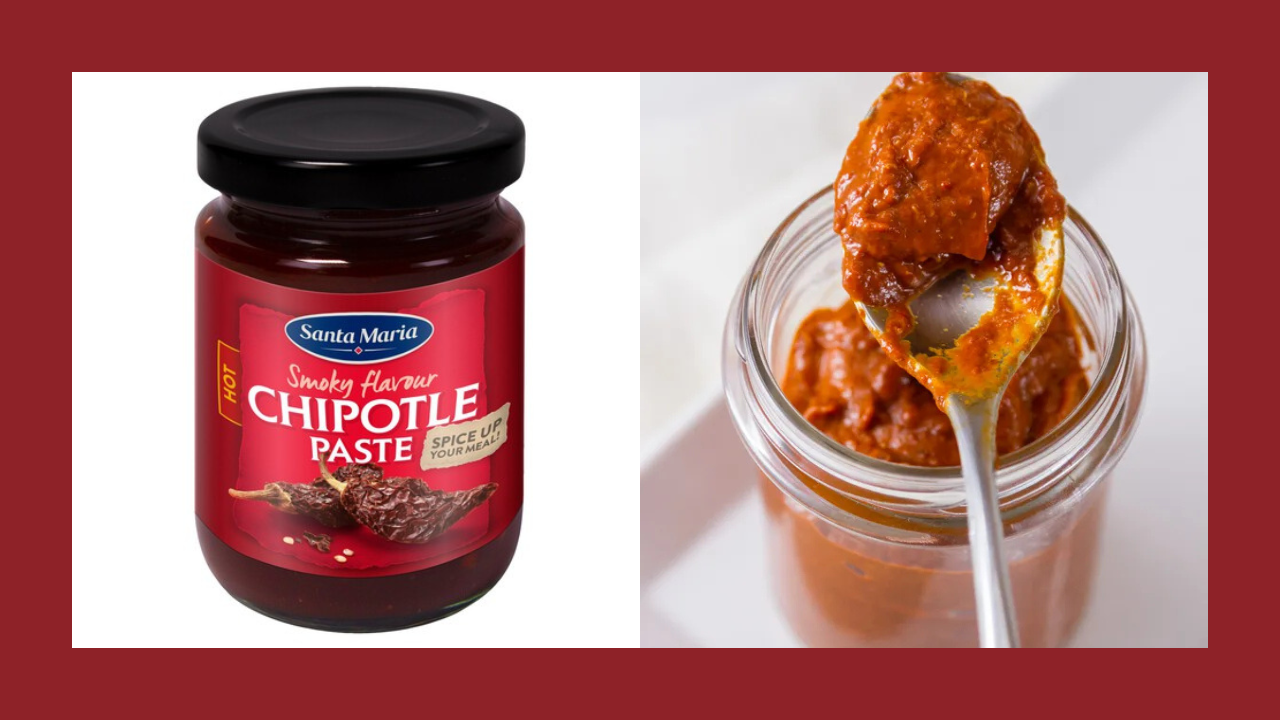
Chipotle paste is a bold, smoky ingredient that brings warmth and depth to countless dishes. Made from smoked and dried jalapeño peppers, this paste is valued for its rich flavor rather than overwhelming heat. It has become a popular addition to home kitchens because it can instantly elevate everyday meals with just a small amount. Learning how to prepare and use this ingredient allows home cooks to add complexity to their food without relying on artificial flavorings or overly processed sauces.
What makes this smoky chili paste so appealing is its versatility. It blends easily into sauces, marinades, soups, and spreads, adapting well to many cooking styles. Preparing it at home also offers full control over texture, spice level, and seasoning, making it both practical and rewarding for anyone who enjoys cooking from scratch.
What Makes Chipotle Paste Unique
Chipotle paste stands out because of the smoking process used on the peppers. Jalapeños are allowed to fully ripen, then slowly smoked and dried, creating a deep, earthy flavor with subtle sweetness. When these peppers are blended into a paste, the result is a concentrated seasoning that delivers smokiness, gentle heat, and richness all at once.
Unlike fresh chilies, which can be sharp and aggressive, smoked peppers provide a more rounded flavor. This makes the paste especially suitable for slow-cooked dishes, creamy sauces, and grilled foods. Instead of overpowering other ingredients, it enhances them, making meals taste more balanced and intentional.
Chipotle Paste Ingredients and Their Purpose
The foundation of any good homemade version is the chipotle pepper itself. These peppers contribute not only heat, but also color and aroma. Oil is added to help blend the ingredients smoothly and carry flavor evenly through food during cooking.
Garlic adds depth and savory richness, while spices such as coriander, thyme, or black pepper provide subtle complexity. A small amount of acidity helps balance the smokiness, preventing the flavor from becoming too heavy. Salt is essential for bringing all elements together and ensuring the final paste tastes bold but not harsh.
Homemade Chipotle Paste Recipe
Making this paste at home is surprisingly simple and does not require advanced cooking skills. With a few ingredients and a blender or food processor, you can prepare a batch that lasts for weeks.
Ingredients
- Chipotle chilies
- Neutral cooking oil or olive oil
- Garlic cloves
- Ground coriander
- Dried thyme
- Black pepper
Preparation Method
If using dried chilies, soak them in warm water until soft. If using canned chilies, lightly drain them while keeping a small amount of liquid aside. Place the chilies in a blender along with oil, garlic, and spices. Blend until a thick paste forms, stopping occasionally to scrape down the sides.
Adjust the texture by adding small amounts of oil or soaking liquid as needed. Taste the mixture and adjust seasoning carefully. Once finished, transfer the paste to a clean, airtight container and refrigerate. Allowing it to rest for a few hours improves flavor as the ingredients settle and blend.
Chipotle Paste Tips for Best Results
Balancing flavor is key when preparing this paste. Removing seeds from the chilies reduces heat, while leaving them intact results in a spicier final product. Blending in short bursts helps control texture and prevents the paste from becoming too thin.
Experimenting with spices can also make a difference. Earthy spices deepen the flavor, while herbs soften the smokiness. Oil choice matters as well, as lighter oils keep the pepper flavor at the forefront. Always taste before storing, as small adjustments can greatly improve the final result.
How to Use Chipotle Paste in Cooking
One of the biggest advantages of this ingredient is its adaptability. It works well in a wide range of dishes and cooking methods.
Marinades
When mixed with oil and a mild acid, it creates a powerful marinade for vegetables, poultry, meat, or plant-based proteins. The smoky flavor penetrates deeply, especially when allowed to rest before cooking.
Sauces and Dips
Blending a small amount into creamy bases such as yogurt, sour cream, or mayonnaise results in rich spreads and dipping sauces. It also adds depth to tomato-based sauces without overpowering them.
Soups and Stews
Adding a spoonful during cooking enhances soups, chilies, and stews with warmth and complexity. It pairs particularly well with beans, lentils, and slow-simmered vegetables.
Everyday Meals
Stirring it into rice, eggs, roasted vegetables, or grain bowls is an easy way to add flavor without extra preparation. Because the paste is concentrated, only a small amount is needed.
Customizing the Flavor
One of the benefits of making this paste at home is the ability to customize it. Reducing the number of chilies lowers heat, while adding more increases intensity. Roasted onions can add mild sweetness, while citrus zest brightens the overall profile.
For a smoother paste, additional oil can be used. For a thicker, more rustic texture, blend less and leave small chili pieces intact. These variations allow the paste to fit different cuisines and personal preferences.
Storage and Shelf Life
Proper storage is essential for maintaining quality. Keep the paste in an airtight container in the refrigerator, where it typically stays fresh for up to three weeks. Always use clean utensils when scooping to prevent contamination.
Freezing small portions is an excellent option for longer storage. This method preserves flavor and makes it easy to use only what is needed. If the paste develops an unusual smell or appearance, it should be discarded.
Common Mistakes to Avoid
Using too much at once is a common mistake. Because the flavor is concentrated, starting with small amounts is best. Skipping the tasting stage can also result in an unbalanced paste.
Another issue is improper storage. Leaving the container uncovered or using dirty utensils can shorten shelf life and affect safety. Careful handling ensures the paste remains fresh and flavorful.
Conclusion
This smoky, homemade chili paste is a versatile ingredient that adds depth and character to many dishes. Preparing it at home allows greater control over flavor, spice level, and texture while avoiding unnecessary additives.
With simple ingredients and straightforward preparation, it becomes a reliable kitchen staple. Whether used in marinades, sauces, soups, or everyday meals, this paste offers a rich, satisfying flavor that enhances cooking without complexity.
