
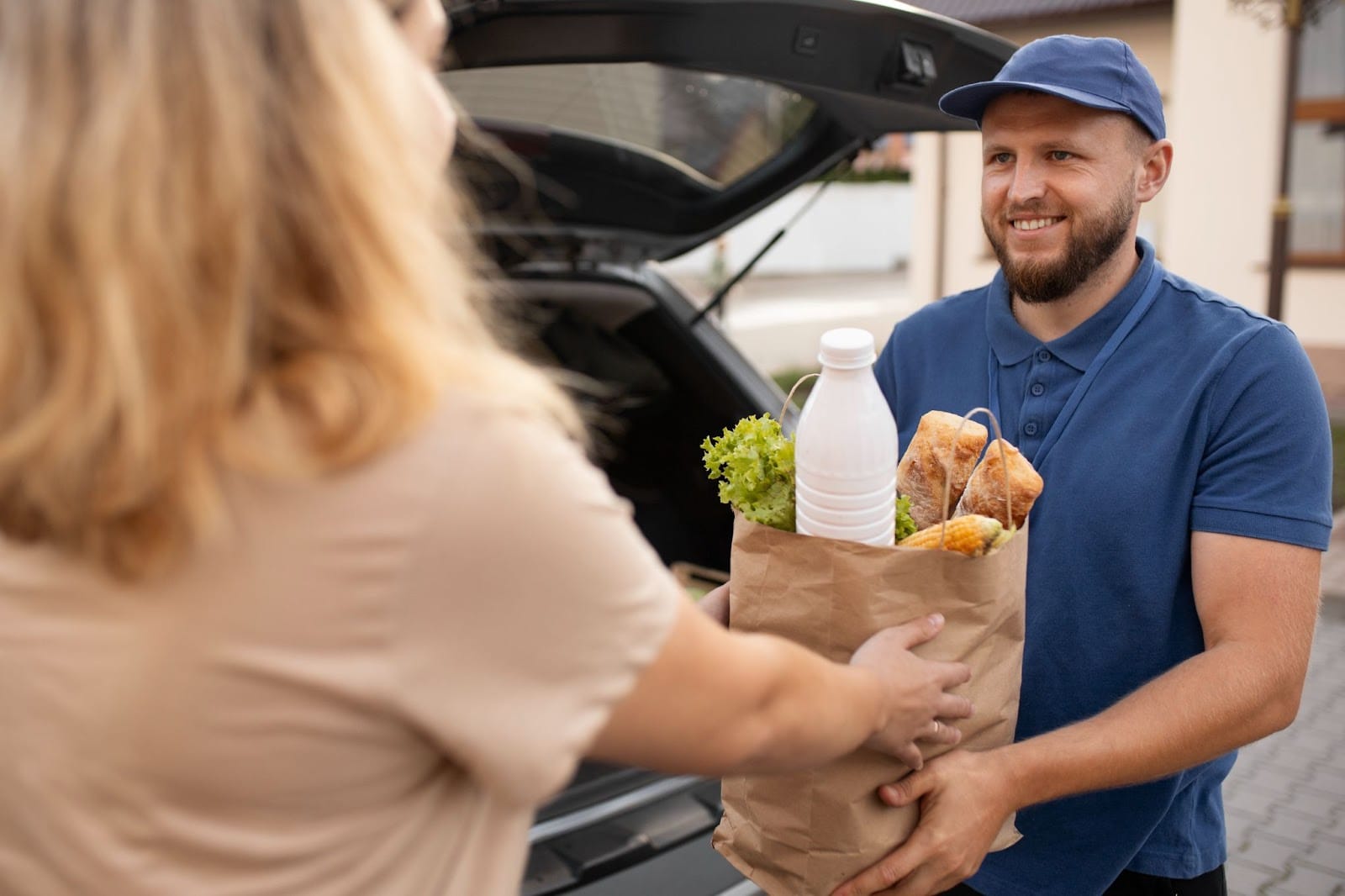
Some consumers are no longer shopping for groceries in person — they would rather order what they need and have it delivered straight to their door. It’s a convenient option for individual customers who order groceries to their home, office managers looking to get snacks and drinks for the team members, and many others.
But not all deliveries are successful, and some can harm customer loyalty and ruin your brand. That’s why it’s essential to partner with a reliable grocery delivery service that can expand the store’s reach and strengthen its reputation. You have to consider a few factors before collaborating with a new service.
Understanding What Your Customers Need
Since there are many grocery stores available, customers have high expectations in terms of delivery. Consider factors such as:
- an easy-to-use website and mobile app;
- transparent delivery terms;
- product availability;
- easy ordering process.
Not all customers shop the same. Some want to have same-day delivery, others prefer to order on a weekly basis. Before you partner with a delivery service, research and analyse customer patterns for your stores, and then look for a service that matches these habits. Stuart, for instance, flexible options, with one-hour and same-day options available for customer satisfaction.
Finding a Reliable Delivery Platform
The European grocery shopping market is continuously growing. It is projected to expand at a CAGR of 18.65% by 2034, and, as the market develops, the demand for delivery also increases, requiring grocery stores to rely on automated platforms. If the digital platform is not strong enough, customers won’t be able to browse the available products, manage their shopping basket, and get the groceries on time.
The ordering system should easily integrate with the store’s inventory and payment systems. Additionally, repeat buyers should be able to create personal accounts, save shopping lists, highlight favourite items, and reorder the same items to enhance customer loyalty.
Managing Order Fulfilment
On one side of the grocery delivery, there is software. On the other side, you will see logistics and on-site fulfilment operations. These are equally important. Grocery stores need to know how to prepare orders, pack them correctly, and get each order to the right customer. Some stores set up a separate order fulfilment department, while others carve out a small space within the store itself.
To ensure fresh groceries and happy customers, pay attention to temperature control, careful picking, and gentle handling. Work with the delivery service to group orders by zones, reducing the time spent on each customer.
Also, consider adding more staff. Although the delivery company will assist you in finding couriers, certain employees will have to pick orders, pack them, and hand them to the couriers. This requires additional staffing and training.
Why Reliable Delivery Matters for Grocery Stores
The grocery business attracts a lot of customers, but most of them prefer ordering the produce online and delivered to their door. A good delivery service can enhance the customer experience and expand the store’s reach. Before you choose the service, consider what your consumers need, which platform suits their needs, and how your store would manage order fulfilment.
Visit More : widemagazine.co.uk
