
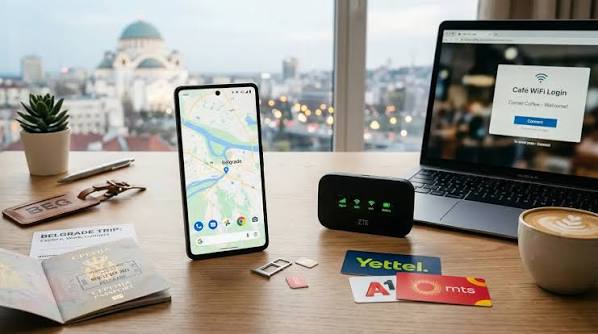
November has quietly become one of the smartest months to travel, thanks to thinner crowds, better prices, and weather that cooperates in more places than people expect. But a good trip in 2026 depends on more than just picking the right destination, staying connected the moment you land matters just as much as the itinerary itself.
Two very different destinations show how much easier this has gotten. Travelers researching an eSIM UK plan often want it ready before their flight lands at Heathrow, while others heading toward the Gulf region look for similar setup ease before arriving in Dubai or Abu Dhabi. In both cases, the days of hunting for a SIM card counter after a long flight are mostly over.
What an eSIM Is and Why It Matters
An eSIM is a digital SIM profile built directly into a smartphone, replacing the need for a physical card. It installs through a QR code or app and connects the device to a local network within minutes of landing.
This matters most on trips packed with early flights and back to back plans. Most phones released after 2018, including recent iPhones, Pixels, and Galaxy models, support this technology. A single device can hold multiple profiles at once, so travelers can keep their home number active while running a separate travel data plan alongside it.
November Travel Trends Worth Knowing
November sits in a sweet spot for many popular destinations, with lighter crowds and often better rates than peak season months. Knowing where the weather and pricing align makes a real difference in how far a travel budget stretches.
For travelers mapping out a November itinerary, checking a detailed guide to places to visit in November USA helps narrow down which regions offer the best combination of mild weather and lower tourist traffic. Southern states and coastal cities tend to shine this time of year, while northern destinations start leaning into cooler, quieter charm.
A few reasons November keeps gaining popularity among travelers:
- Shoulder season pricing on flights and accommodation
- Fewer crowds at major attractions and national parks
- Milder weather across many regions compared to summer heat
- More availability for last minute bookings and upgrades
Staying Connected Across the UK
The UK’s mix of dense cities and countryside stretches makes a reliable data plan genuinely useful for both quick city breaks and longer road trips through the countryside. Navigating London’s transit system, finding addresses in smaller towns, or checking train schedules all depend on a stable connection.
The UK’s network coverage is strong across most of the country, with a few advantages that make it eSIM-friendly:
- Solid 4G and growing 5G coverage across major cities
- Competitive data pricing compared to international roaming fees
- Fast activation, often ready before a flight even lands
- Reliable coverage along most rail corridors connecting major cities
Travelers splitting time between London and smaller towns should double check rural coverage, since signal strength can dip outside major urban centers.
Connectivity Needs in the UAE
The UAE presents a different kind of travel experience, with ultra modern cities, desert excursions, and a strong emphasis on staying connected for both leisure and business travelers. A dependable data plan supports everything from ride hailing apps to translation tools during a trip.
Anyone comparing options for the best eSIM for UAE travel should look closely at a few details before booking:
- Coverage strength across both city centers and desert or outskirt areas
- Whether the plan supports hotspot use for laptop connectivity
- Data caps and rollover policies for longer stays
- Activation speed, especially useful for short layovers in Dubai
Business travelers heading to conferences or meetings in the UAE often prioritize hotspot capable plans, since laptop connectivity matters as much as phone data.
Setting Up Before Departure
Activation typically takes under ten minutes and can be handled entirely from home before a flight. A QR code gets scanned through phone settings, the profile installs, and it switches on once the device connects to the destination network.
The general process follows these steps:
- Confirm the device supports eSIM technology under cellular settings
- Purchase the plan and receive the QR code or activation link
- Scan the code through phone settings before departure
- Label the new profile to separate it clearly from the home number
- Turn on data roaming for the new profile after landing
Doing this before boarding means there’s nothing left to set up once the plane touches down, which matters most on trips with tight connections.
Comparing Costs Against Traditional Roaming
Home carrier roaming plans usually charge a flat daily fee no matter how much data actually gets used, and this adds up quickly across a longer trip. A dedicated travel data plan tends to be priced around actual usage instead, which generally works out cheaper for most travelers.
There’s also a practical flexibility difference. Roaming keeps a traveler locked into their existing number and billing cycle, while a separate travel profile can be added or dropped independently without affecting the primary account at all. This also makes it far easier to track exactly what connectivity costs on a given trip.
Choosing the Right Data Plan
Data needs should match the actual trip length and daily habits rather than defaulting to the cheapest bundle available. A quick city break needs much less data than two weeks of remote work from a hotel room, and matching the plan size correctly avoids both overpaying and running short mid-trip.
A simple way to think through it:
- Short trips under a week: fixed data bundles, generally 3 to 10 GB
- Extended stays: unlimited or high volume plans for daily streaming and navigation
- Business travel: plans with built in hotspot support for laptop use
- Multi-country trips: regional plans covering several destinations under a single profile
Checking recent reviews for the specific country’s network helps confirm real world speed, since advertised numbers don’t always match everyday performance.
The Privacy Advantage
Digital SIM technology also comes with a security benefit that’s often overlooked. Since the profile lives inside the device instead of on a removable card, there’s no physical SIM to lose or have swapped by someone else, which lowers a common fraud risk.
Keeping a home number inactive while using a separate travel data profile also adds a layer of privacy, since the primary number stays off the foreign network entirely. This matters most for business travelers handling sensitive calls or messages while abroad.
Troubleshooting Common Setup Issues
Most connectivity problems after landing trace back to a short list of fixable causes.
- No signal on arrival: manually select the network operator instead of relying on automatic detection
- QR code won’t scan: confirm the device has internet access during setup, since some profiles require it
- Data not activating: check that the correct profile is toggled on, especially on phones with multiple eSIMs
- Slower than expected speeds: check whether the plan has hit a data cap triggering throttling
Working through this list resolves the vast majority of issues without needing outside support.
Planning a Smarter November Trip
November travel rewards those who plan ahead, both for the destination and for staying connected once there. Thinner crowds and better pricing make it one of the more underrated months to explore new places, but only if the logistics behind the trip are handled early rather than scrambled together at the last minute.
Whether the plan involves exploring the UK’s cities and countryside, discovering quieter corners of the US, or experiencing the UAE’s mix of modern and desert landscapes, setting up connectivity before departure removes one of the more stressful parts of travel. For anyone who runs into setup trouble along the way, a dedicated support help desk can typically resolve activation issues within minutes, keeping a minor hiccup from turning into a wasted day of an otherwise well planned trip.
