
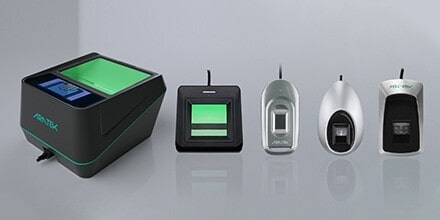
An Automated Biometric Identification System, commonly called ABIS, is a technology platform that identifies people using unique biological traits such as fingerprints, facial recognition, iris scans, or palmprints. These systems are designed to compare biometric data against large databases to determine whether a person already exists in the system or is being verified for authentication.
In simple terms, an ABIS helps answer one important question:
“Is this person really who they claim to be?”
That question has become increasingly important for governments managing millions of citizen identities, especially in national ID programs and election systems where duplicate registrations and identity fraud can create serious problems.
Traditional verification methods often rely on paper documents, ID cards, or manual checks. Those methods can work at a small scale, but once databases grow into millions of records, manual identity verification becomes slow, inconsistent, and vulnerable to fraud.
That is why biometric systems are now becoming a core part of modern identity infrastructure.
What Does an Automated Biometric Identification System Actually Do?
An ABIS captures biometric information from an individual and compares it against existing records stored in a database.
The system typically works with:
- Fingerprints
- Facial recognition
- Iris scans
- Palmprints
- Voice recognition
When someone enrolls in a database, the system converts their biometric information into digital templates. These templates are then compared against all existing records to identify possible matches.
This process is commonly called biometric matching or deduplication.
For example, if a person attempts to register twice in the same national identity system using different documents, the ABIS can still detect the duplicate through fingerprint or facial matching.
That capability is one of the main reasons governments and public sector organizations use biometric identification technology today.
MegaMatcher ABIS as a Real-World Example
One well-known example of this technology is the MegaMatcher Automated Biometric Identification System, which is designed for large-scale biometric matching and identity management.
The platform supports:
- Fingerprint matching
- Face recognition
- Iris identification
- Palmprint recognition
- Large database deduplication
Systems like this are often used in environments where millions of identities need to be processed quickly and accurately.
For national identity projects, scalability matters just as much as accuracy. A biometric platform must be capable of handling huge enrolment volumes while maintaining reliable matching performance.
That is why enterprise-grade ABIS platforms are designed to process biometric comparisons in real time,, even as databases continue to expand.
Why Governments Use ABIS in National ID Programs
National ID systems are responsible for managing citizen identity records across multiple services.
These records may later be connected with:
- Elections
- Public welfare programs
- Banking systems
- Border management
- Healthcare access
- Digital government services
Without strong identity verification, duplicate registrations and fake identities can affect the reliability of the entire system. An Automated Biometric Identification System helps reduce those problems by linking each citizen’s record to unique biometric characteristics.
This makes identity verification more reliable than depending only on names, documents, or ID numbers.
How ABIS Helps During National ID Enrolment
National identity enrolment programs involve collecting citizen information and verifying whether the person already exists in the database.
This is where biometric systems become especially useful.
Identity Deduplication
One of the biggest challenges in national databases is duplicate registration.
A person may attempt to:
- Register multiple times
- Use fake documents
- Create duplicate identities
- Manipulate voter databases
An ABIS prevents this by checking every new biometric submission against existing records. If matching fingerprints or facial patterns already exist, the system flags the identity for review. This process helps create cleaner and more accurate national databases.
Faster Verification
Manual verification can take significant time when millions of records are involved.
Biometric systems automate much of this process, allowing authorities to verify identities much faster. This becomes extremely important during large national enrolment campaigns where speed and accuracy are both critical.
Better Database Accuracy
Biometric matching reduces the chances of incorrect or duplicate entries remaining inside the system.
More accurate databases improve:
- Citizen record management
- Public service delivery
- Election integrity
- Digital identity reliability
Use of ABIS in Election Systems
Election systems are one of the most important use cases for biometric identification technology. In traditional voter registration systems, authorities often struggle with:
- Duplicate voter registrations
- Fake identities
- Impersonation attempts
- Outdated voter records
Biometric verification significantly reduces these problems.
Voter Registration Verification
During voter enrolment, citizens provide biometric data such as fingerprints or facial images. The system checks whether the individual has already been registered in the voter database. This helps prevent duplicate voter records from entering the system.
Polling Station Authentication
Biometric verification can also be used on election day.
Instead of relying only on paper documents, election officials can verify a voter’s identity using biometric authentication.
This helps reduce:
- Voter impersonation
- Identity fraud
- Unauthorized voting
As election systems become more digital, the use of biometrics in enrolment systems is increasingly important for maintaining public trust and improving the accuracy of identity verification during elections.
Common Use Cases of ABIS Technology
Although national identity programs are one of the most visible applications, ABIS technology is also used in several other sectors.
Border Control and Immigration
Biometric verification helps immigration authorities confirm traveler identities quickly and improve border security.
Banking and Financial Services
Financial institutions use biometric identity verification for:
- Secure account opening
- Customer authentication
- Fraud prevention
Public Welfare Programs
Governments use biometric systems to ensure benefits are distributed to the correct individuals. This helps reduce duplicate claims and identity abuse.
Law Enforcement
Biometric identification systems are also used in criminal investigations and forensic identification. Fingerprint databases and facial recognition systems help agencies identify suspects more efficiently.
The Role of AI in Modern Biometric Systems
Modern biometric systems now use artificial intelligence to improve matching performance and scalability.
Earlier biometric systems sometimes struggled with:
- Poor-quality fingerprints
- Lighting conditions
- Facial appearance changes
- Large database sizes
AI has improved many of these limitations.
Today’s systems can:
- Detect low-quality biometric samples
- Improve recognition accuracy
- Reduce false matches
- Process large databases more efficiently
- Adapt to environmental variations
This makes biometric systems more practical for a national-scale identity infrastructure.
Challenges and Considerations
While biometric systems provide major benefits, large-scale deployments also require careful planning.
Data Privacy
Biometric data is highly sensitive and must be protected through strong cybersecurity measures.
Infrastructure Requirements
National biometric projects require:
- Secure databases
- Reliable hardware
- Network infrastructure
- Scalable software platforms
Public Trust
Citizens need confidence that biometric information is being collected and used responsibly. Transparency and security policies play an important role in adoption.
Conclusion
An Automated Biometric Identification System helps governments and organizations verify identities using unique biometric characteristics such as fingerprints and facial recognition. These systems have become increasingly important in national ID enrolment programs where accuracy, fraud prevention, and scalability are critical.
Platforms such as the MegaMatcher Automated Biometric Identification System demonstrate how modern biometric technologies can support large-scale identity verification while improving database reliability and operational efficiency.
From elections to public services and border control, biometric identification systems are playing a growing role in how digital identity infrastructure is managed around the world.
