
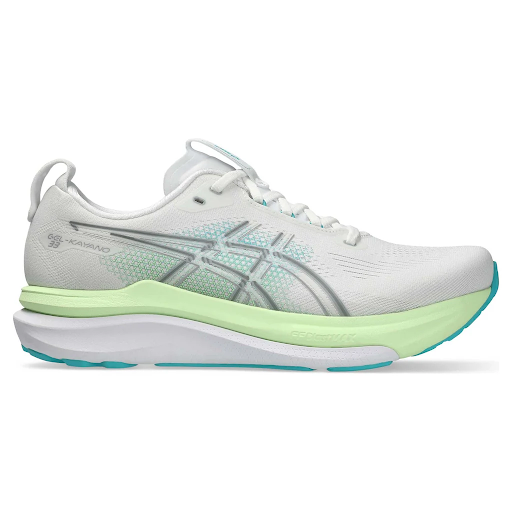
Choosing the right footwear is paramount for any runner, whether a novice or an experienced athlete. The variety of men’s running shoes available today caters to diverse needs, running styles, and terrains. In this comprehensive guide, informed by the latest offerings in mens running shoes, we explore the key features and considerations that every athlete should understand when selecting their ideal pair.
Understanding the Importance of Proper Running Shoes
Proper running shoes significantly impact an athlete’s performance, comfort, and injury prevention. Ill-fitting or inappropriate shoes can lead to discomfort, blisters, and even long-term musculoskeletal issues. Therefore, the selection process extends beyond aesthetics and brand reputation; functional attributes must be critically assessed.
Types of Running Shoes for Men
Men’s running shoes broadly fall into several categories based on their design and technological features. These include neutral shoes, stability shoes, motion control shoes, and trail running shoes. Each category addresses specific foot mechanics and running environments.
Neutral Running Shoes
Designed for runners with neutral pronation, these shoes offer balanced cushioning and flexibility. Neutral shoes promote natural foot motion and are generally suitable for runners with a standard arch and gait.
Stability Running Shoes
Stability shoes are intended for those who overpronate, meaning their feet roll inward excessively. With additional arch support and firmer midsoles, these shoes aim to control motion and provide enhanced support.
Motion Control Running Shoes
Motion control shoes offer maximum support and are tailored for athletes with severe overpronation or flat feet. They are typically heavier but safeguard against excessive inward rolling of the foot.
Trail Running Shoes
Engineered for off-road terrain, trail running shoes feature aggressive tread patterns, reinforced uppers, and durable materials to protect against natural obstacles and varied surfaces.
Key Features to Consider
Selecting the optimal men’s running shoes involves examining various features, including cushioning technology, fit, weight, breathability, and durability.
Cushioning
Cushioning absorbs shock and reduces impact forces on joints. Different brands employ proprietary foam technologies designed for responsiveness and comfort tailored to individual running styles and preferences.
Fit and Sizing
A precise fit is critical. Running shoes should snugly accommodate the foot without causing pressure points. Considering toe box width and heel-locking mechanisms can prevent discomfort and enhance stability.
Weight
Lightweight shoes typically promote faster running but may compromise on cushioning or support. Athletes must balance weight with necessary protection based on their performance goals and running terrain.
Breathability
Materials used in running shoes affect ventilation. Breathable mesh uppers aid in moisture management, keeping feet dry and reducing the risk of blisters or fungal infections.
Durability
Durability ensures long-term performance, especially for frequent runners. Reinforced outsoles and quality materials resist wear and tear, maintaining cushioning and traction over time.
Customized Solutions and Advanced Technology
Modern advancements enable customised running shoes that accommodate specific biomechanical requirements. Brands incorporate sensors, 3D printing, and adaptive materials to enhance fit and efficiency. These innovations provide tailored support and improve overall running experience.
Choosing Shoes Based on Running Goals
Different athletic objectives necessitate distinct shoe features. Sprinters may prioritise lightweight, minimal shoes for speed, while long-distance runners require superior cushioning and support. Trail runners must choose shoes with traction and protection suited for uneven surfaces. Understanding personal running goals is essential to match the correct footwear.
Maintenance and Replacement of Running Shoes
Proper shoe maintenance involves regular cleaning and inspection to prevent material deterioration. Running shoes generally require replacement after 300 to 500 miles, depending on running style and terrain, to maintain optimal performance and reduce injury risk.
Expert Recommendations for Selecting Men’s Running Shoes
Consulting with professionals or utilising gait analysis services can provide valuable insights into the appropriate shoe type. Trial periods and returning to specialised stores for fitting sessions ensure satisfaction and reduce the likelihood of discomfort.
Environmental Considerations
Incorporating sustainability into footwear choices is increasingly important. Many manufacturers focus on eco-friendly materials and production methods, enabling athletes to minimise environmental impact without compromising performance.
Popular Brands and Their Signature Technologies
Leading brands incorporate distinctive technologies such as responsive foams, energy return systems, and ergonomic designs in their men’s running shoes. These features cater to various foot shapes and running preferences.
Conclusion
The selection of men’s running shoes is a nuanced process that demands attention to personal biomechanics, running conditions, and specific athletic goals. By understanding the types and key features of running shoes, athletes can make informed choices that enhance performance and alleviate injury risk. For a diverse and high-quality collection of men’s running shoes, athletes may explore specialised options available through established retailers, ensuring access to the latest innovations and expert advice.
Visit More : widemagazine.co.uk
