
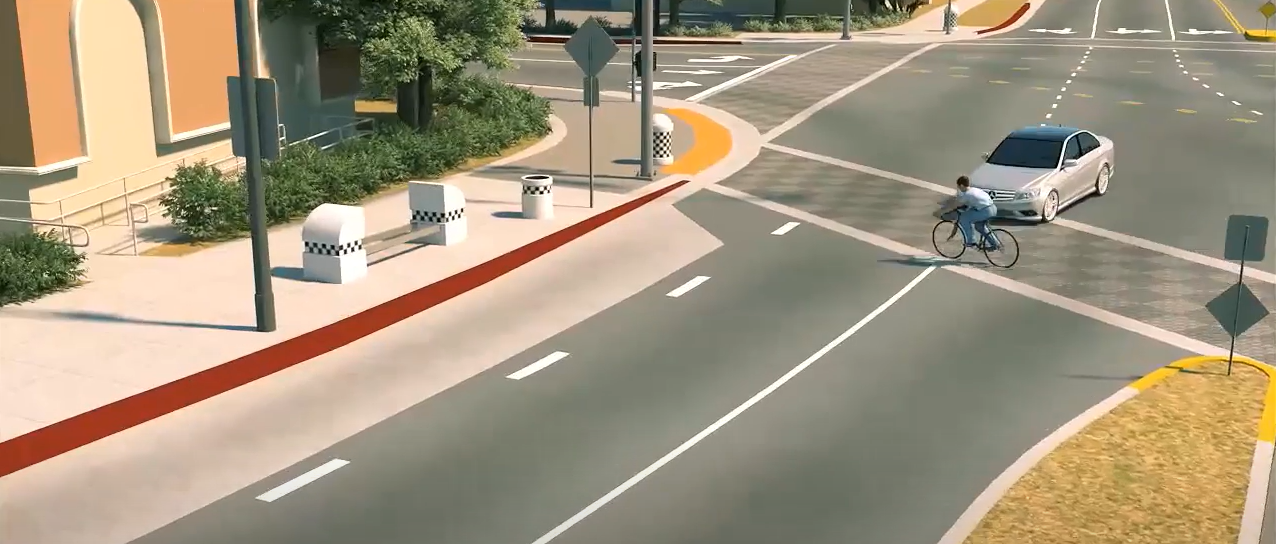
Imagine explaining a complicated accident to a jury and helping them understand every critical moment, from the events leading up to the incident to the factors that contributed to it. Written reports and photographs can provide valuable evidence, but some situations are much easier to understand when presented visually. Call21st Forencic Animations can be explored as a resource for understanding how visual reconstruction helps communicate complex information in legal proceedings.
Understanding the Role of Forensic Animations
Forensic animation uses computer-generated visuals to reconstruct incidents based on evidence such as photographs, measurements, video footage, technical reports, and expert analysis. These animations can illustrate how an event may have unfolded, helping legal professionals communicate complicated details more effectively.
For example, reconstructing a vehicle collision may involve explaining vehicle movements, road conditions, points of impact, and the sequence of events. A visual representation can help audiences follow these details without relying entirely on technical terminology or lengthy explanations.
Why Forensic Animation Matters in Legal Proceedings
Clear communication is essential when presenting evidence in court. Attorneys often need to explain scientific, mechanical, or technical concepts to judges and jurors who may not have specialized knowledge in those areas.
Forensic animations help bridge this gap by turning complex information into visual narratives. They can illustrate timelines, demonstrate physical relationships, and help viewers understand how different pieces of evidence relate to one another.
These animations can also support expert testimony by providing a visual reference while specialists explain their findings. When created using reliable evidence and transparent methods, they can make complicated arguments easier to follow.
However, forensic animations must accurately represent the available evidence. Any assumptions or hypothetical elements should be clearly identified, and the animation should never be treated as a substitute for factual evidence.
Common Applications of Forensic Animation
Forensic animation can support different types of legal cases and investigations.
Motor vehicle accidents: Visual reconstructions can demonstrate vehicle movements, collision sequences, road layouts, and other relevant factors. They may help explain disagreements about how an accident occurred.
Workplace incidents: Industrial accidents can involve machinery, equipment, and several interacting factors. Animation can help illustrate the sequence of events and explain how equipment or working conditions may have contributed.
Product liability disputes: When a product allegedly malfunctions, visual demonstrations can help explain its mechanisms, component interactions, and the circumstances surrounding the reported failure.
Personal injury cases: Forensic visuals can help communicate the circumstances of an incident and support explanations provided by qualified experts.
In each situation, the goal is to make complex information understandable while maintaining a clear connection to the supporting evidence.
What Makes an Effective Forensic Animation?
An effective forensic animation combines technical accuracy with clear visual communication. Realistic graphics alone are not enough; the reconstruction must be based on appropriate evidence and developed with attention to measurements, timing, movement, and relevant environmental conditions.
Collaboration between animation professionals, attorneys, investigators, and subject-matter experts can help ensure that the final presentation accurately reflects the information available. The animation should focus on the details that matter to the case rather than including unnecessary visual effects.
Equally important is the ability to explain complex events without confusing the audience. A well-structured animation presents information logically, allowing viewers to understand each stage of the reconstruction.
The Growing Importance of Visual Evidence
As legal disputes increasingly involve technical reports, digital evidence, and complex investigations, visual communication has become an important consideration for legal teams. Forensic animation offers a practical way to present complicated findings in a format that is easier to understand.
When used appropriately, these visual tools can help attorneys organize presentations, clarify expert explanations, and demonstrate relationships between different pieces of evidence. Their usefulness ultimately depends on the quality of the underlying analysis and the way the animation is presented.
Conclusion
Call21st Forencic Animations is a keyword that highlights interest in forensic animation and its role in legal communication. Forensic animation can help transform complex technical information into structured visual explanations, making it easier for legal professionals to present their arguments and for courtroom audiences to understand the evidence.
By prioritizing accuracy, transparency, and effective storytelling, forensic animation can serve as a valuable demonstrative tool in litigation. The strongest presentations combine compelling visuals with evidence-based analysis, ensuring that clarity never comes at the expense of credibility.
Visit More : widemagazine.co.uk
