
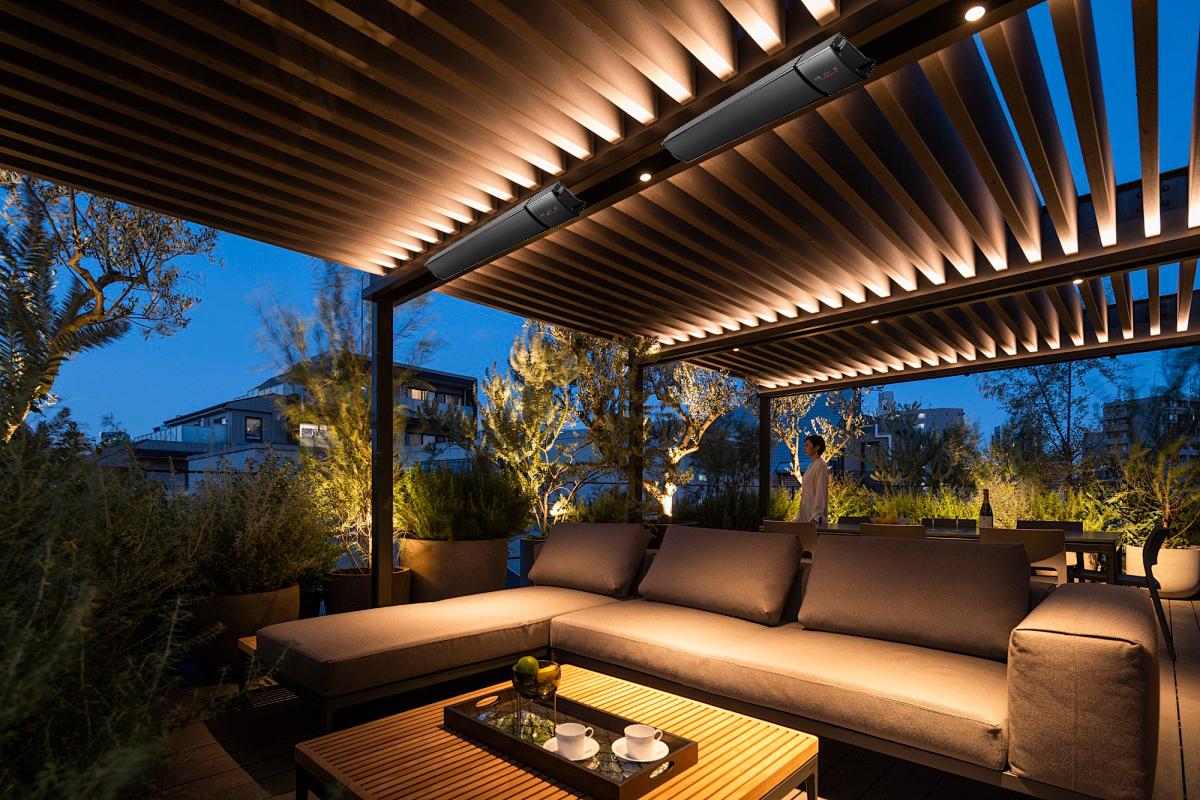
Australian homes have a funny little habit of stretching their life outdoors. One minute you are in the kitchen making a cuppa, the next you are standing by the back door thinking the barbecue could really use a permanent spot. That’s the charm of indoor-outdoor living. It feels relaxed, practical, and just a bit luxurious without trying too hard.
Across Sydney, Brisbane, Melbourne, Perth, and the smaller coastal towns in between, more homeowners are rethinking how their homes connect with the yard, deck, or courtyard. The aim is not just to have a patio sitting awkwardly outside the house like an afterthought. The real trick is blending the two spaces so they feel like one natural flow. Done well, it makes a home feel bigger, smarter, and easier to live in.
Start With the Transition, Not Just the Add-On
A common mistake is treating the outdoor area like a separate project. New furniture goes out, maybe a bit of paving, a few pot plants, and job done. Except the space still feels disconnected. That gap between indoors and out is usually where the magic either happens or falls flat.
Matching floor levels is a good place to begin. When the indoor flooring meets the outdoor surface without a clumsy step or harsh change in height, the whole setup feels calmer and more open. Timber decking, polished concrete, and large-format tiles often work well when chosen with the home’s interior style in mind.
Colour helps too. If the inside leans warm and earthy, the outdoor area can carry that same mood with sandstone tones, recycled timber, or muted greys. A home near the coast might suit lighter shades that catch the sun without making everything feel washed out. In dry parts of Australia, where the afternoon heat can roast a patio into a frying pan, lighter materials can also make the area a lot more comfortable.
Choose a Roof Structure That Pulls Its Weight
Shade is not just about comfort. It shapes how often the space gets used. A good roof structure can turn a patio into a proper living zone rather than a fair-weather hangout. That is why pergolas, verandahs, and adjustable roofing systems are such a strong fit for Australian homes.
For homeowners after more control over light and airflow, louvre roof installation can be a clever choice, especially when the weather shifts from glorious sunshine to sudden rain, which Australian skies seem to enjoy doing with very little warning. The ability to tilt the blades for shade, breeze, or shelter makes the space far more usable through the seasons.
In places like Brisbane and the Gold Coast, where the summer heat can feel relentless, an adjustable roof can make the difference between a patio that gets used every day and one that sits empty except for the occasional brave soul. In Melbourne, where weather moods change faster than the radio dial, flexibility is worth its weight in gold.
Use Large Openings to Blur the Boundary
Indoor-outdoor design works best when the boundary line gets a bit blurry. Large sliding doors, bifold doors, and stacker systems can open up the house so the backyard feels like an extra room rather than a separate zone.
Glass doors are especially useful when the outdoor area has a well-planned focal point, such as a dining table, fireplace, or outdoor kitchen. When the view is attractive from inside, the home feels more connected even when the doors are shut.
Not every home has room for a giant opening, of course. Some older Australian houses, especially weatherboard cottages and Federation-style properties, need a gentler approach. A wide doorway, screened opening, or even a carefully framed servery window can still keep that sense of connection without ripping out half the wall.
Keep the Materials Consistent
Materials can make or break the whole look. If the inside of the house feels polished and modern but the outdoor area looks like it belongs to a different postcode, the effect gets a bit awkward. A shared material palette helps the whole home feel more considered.
Good Material Pairings
- Timber floors inside with timber decking outside
- Stone benchtops inside with matching outdoor kitchen finishes
- Matte black fittings indoors carried through to outdoor lighting or balustrades
- Natural textures like rattan, linen, and woven fibre for soft continuity
That said, outdoor materials need to work harder than indoor ones. They face UV exposure, rain, dust, and the occasional dropped snag grease, which somehow always finds the worst possible place to land. So durability matters just as much as style.
Make the Outdoor Space Feel Like a Real Room
One of the best ways to blend indoor and outdoor areas is to furnish the outside like it has a job to do. A chair and a pot plant might look fine in a magazine spread, but real homes need proper zones. Dining, lounging, cooking, reading, and maybe a spot for the kids to sprawl out with chalk or a ball all deserve a place.
Think about how the room gets used across the day. A breakfast nook off the kitchen can catch the morning sun. A lounge area works well in a shaded corner for afternoon drinks. An outdoor dining zone near the kitchen saves endless back-and-forth trips that leave the cook muttering under their breath.
Layering soft furnishings helps too. Outdoor rugs, weather-resistant cushions, and throws can make the area feel warm and settled. Just keep an eye on fabrics that handle the Australian climate well. Sun fade is real, and no one wants to spend good money on cushions that end up looking like they’ve had a hard life by Christmas.
Lighting Changes Everything After Sunset
In Australia, outdoor living does not end when the sun goes down. In many homes, that is when the space finally comes into its own. Good lighting makes the area usable and inviting without turning it into a sports field.
Warm white lights usually work best for a relaxed feel. Wall sconces near doors, strip lighting under benches, and pendant lights above dining tables can all help define the space. Garden uplights can highlight trees or textured walls, while dimmable fittings give a bit of control when the mood shifts from family dinner to late-night chat.
Be careful not to overdo it. Too much light can make the whole area feel flat and harsh. A layered setup is usually the sweet spot. Enough to see clearly, but still cosy enough to make people linger a little longer with a glass in hand.
Bring in Greenery With Purpose
Plants do more than decorate. They soften edges, add shade, and make the transition between house and garden feel natural. A row of potted olive trees, native grasses, or climbing jasmine can frame the outdoor area nicely without making it feel crowded.
Across Australia, native planting can be a smart way to keep maintenance down while still getting plenty of visual impact. Kangaroo paw, lomandra, lilly pilly, and dwarf bottlebrush are popular because they cope well with local conditions and bring a bit of texture without demanding constant attention.
In tighter suburban blocks, vertical gardens or climbing plants on trellises can add greenery without stealing floor space. That’s handy when the backyard is more “modest courtyard” than “grand entertaining zone”.
Design for the Climate You Actually Have
Australia’s weather is no one-size-fits-all situation. A design that works beautifully in Hobart might feel completely off in Darwin. Heat, humidity, rainfall, and wind all shape how the space should be planned.
In hotter regions, shade and airflow need to lead the design. In cooler spots, shelter from wind matters more. Coastal homes often need materials that stand up to salt air, while inland properties may need extra dust-resistant finishes and sturdy fittings.
This is where thoughtful design pays off. A seamless indoor-outdoor area is not only about looks. It should feel easy to use through the year, whether that means morning coffee in spring, long lunches in summer, or staying tucked under cover during a windy winter drizzle.
Keep the Flow Simple and Honest
The most successful indoor-outdoor spaces are rarely the flashiest. They feel calm, practical, and a bit effortless, even though a lot of planning usually sits behind that “effortless” look. The goal is to make moving between inside and out feel natural, like the home always meant to work this way.
That might mean a level threshold, matching tones, a clever roof system, or doors that open wide without fuss. It might mean choosing a dining table that looks good enough for indoors but is tough enough for a backyard lunch with sauce flying everywhere. Small choices add up fast.
When those choices line up, the result is a home that feels larger without needing an extension, and a lifestyle that leans into the Australian love of outdoor living without making it feel staged or overdone. Just easy, useful, and pleasant to be in. Which, frankly, is what most people want after a long week anyway.
