
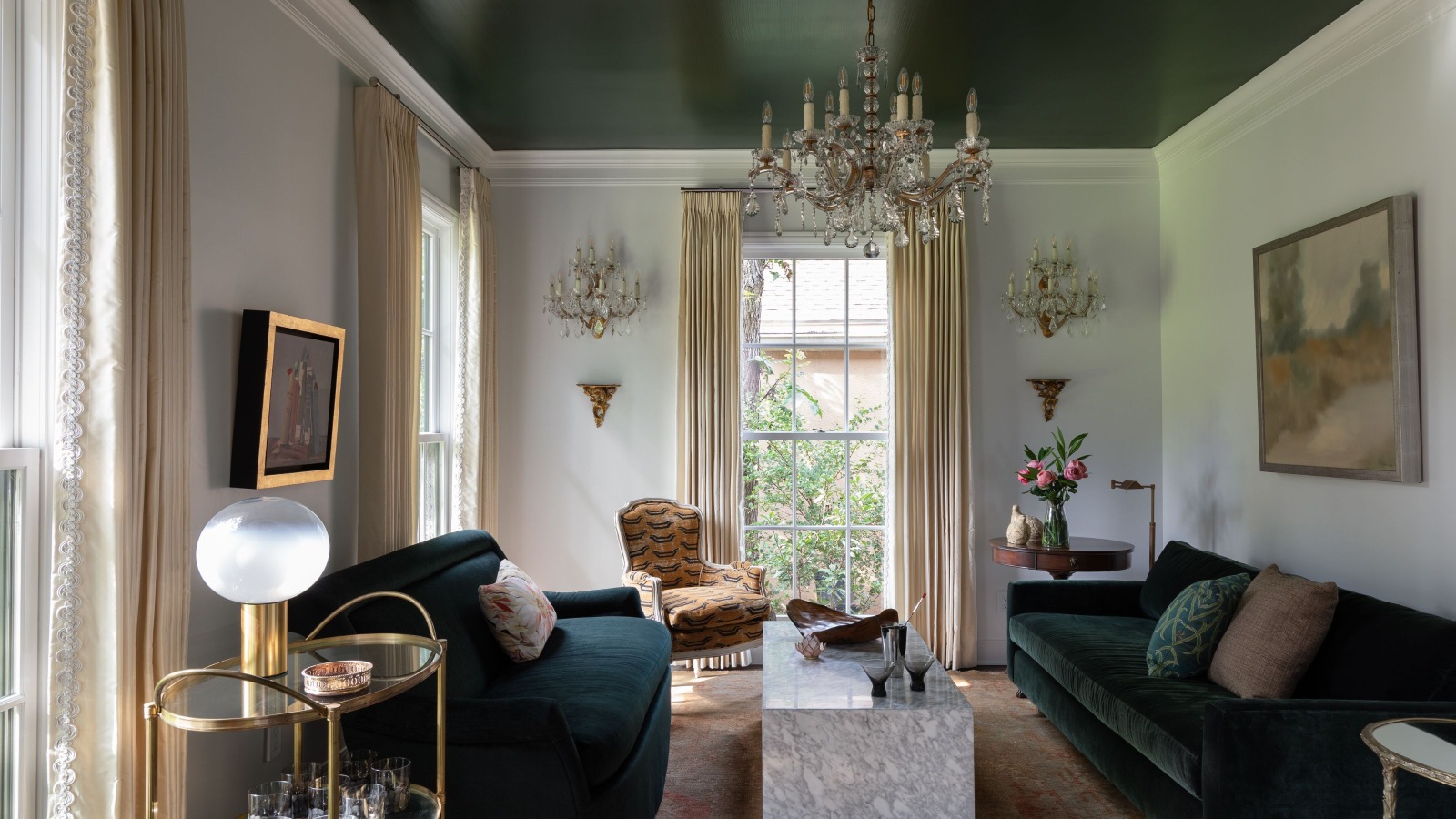
Homes are feeling quieter lately. They aren’t sparse or boring, but rather grounded. Earthy, tonal patterns are becoming a go-to choice for interiors that feel calm, cohesive, and easy to live with. For homeowners looking to add subtle architectural interest while keeping the earthy, tonal aesthetic, cedar corbels can provide a warm, natural accent that complements wood flooring and layered textures. Think subtle stripes, soft marbling, gentle grain, and layered textures that sit comfortably within the same colour family.
This approach isn’t about bold contrast or statement prints. It’s about repetition, flow, and visual rest. From flooring to soft furnishings, earthy tonal patterns are shaping interiors that feel considered without trying too hard.
What Are Earthy, Tonal Patterns?
Earthy tonal patterns use variations of a single colour or closely related shades, inspired by natural materials. Browns, warm beiges, clay, olive, stone, sand, and muted greys form the base palette.
Patterns are present, but understated. Instead of sharp lines or high contrast, the focus is on depth and texture:
- Subtle stripes in linen or wool
- Wood grain with natural variation
- Soft terrazzo or stone effects
- Repeating shapes in low-contrast wallpapers
The result feels layered rather than busy, creating interest without visual noise.
Why This Look Is Everywhere Right Now
There’s a growing shift away from hyper-styled interiors and towards spaces that feel supportive. Earthy tonal patterns align perfectly with that mindset.
Visually, they’re easier on the eye. Psychologically, they create a sense of stability and familiarity. In a world of constant scrolling and stimulation, homes are becoming places to decompress rather than impress.
Social media has played a part too. Platforms are full of interiors that feel slow, warm, and lived-in; often featuring repeated tones, soft contrasts, and natural finishes. Earthy patterns photograph beautifully, but more importantly, they live well day to day.
How Earthy Patterns Create Calm
Calm interiors aren’t about removing personality; they’re about reducing friction. Tonal patterning helps achieve that through consistency, soft transitions, and natural reference points.
Think of repeating tones across walls, floors, and furnishings to connect rooms. Then, without harsh contrast, the eye moves easily around the space. Finally, materials that echo nature feel instinctively grounding.
Even patterned elements feel restful when they stay within a tight colour range.
Starting from the Ground Up
Flooring sets the tone for the entire space, making it a natural foundation for earthy, tonal design. Wood and wood-effect floors are particularly effective thanks to their built-in pattern and variation.
Natural oak tones, warm walnut shades, or softly washed finishes introduce pattern through grain rather than colour contrast. Parquet flooring, like herringbone, adds rhythm and movement while still feeling calm when paired with earthy hues.
For a softer look, lighter wood tones work well with neutral walls and textured fabrics. Deeper browns create a cocooning feel, especially in bedrooms and living areas. The key is letting the floor quietly anchor the room rather than compete with it.
Using Earthy Tonal Patterns Room by Room
This style adapts easily across the home, as long as restraint is part of the plan.
Living rooms benefit from layered neutrals; a softly patterned rug, textured cushions, and natural wood flooring work together without stark contrast.
Bedrooms feel calmer with tonal bedding, gentle stripes, or washed prints in warm neutrals. Keeping patterns low-contrast helps the space feel more restful.
Kitchens and dining spaces suit stone or terrazzo-style surfaces paired with wood tones. Subtle repetition adds character without overpowering the room.
Hallways are ideal for introducing pattern through flooring or wall finishes, setting a calm tone from the moment the door opens.
How to Incorporate the Trend Without Overdoing It
Earthy, tonal design works best when it’s intentional rather than layered endlessly. A few thoughtful choices go further than filling a room with similar shades.
- Stick to one main colour family per room
- Mix materials rather than patterns, like wood, linen, and ceramic
- Let one element lead, whether that’s flooring, walls, or textiles
- Use contrast sparingly, through shape or texture rather than colour
This keeps the space interesting while preserving the sense of calm.
Is This Style Right for Your Home?
Earthy, tonal patterns suit those who value comfort, longevity, and ease. They’re particularly effective in homes where relaxation is a priority, or where open-plan layouts benefit from visual cohesion.
That said, this style doesn’t mean giving up personality. Artwork, sculptural lighting, or one deeper accent shade can still shine against a tonal backdrop. The calm simply gives those moments more room to breathe.
A Quieter Way to Design
Earthy, tonal patterns reflect a broader shift in how homes are being designed: less about impact, more about feeling. By focusing on natural colours, subtle repetition, and grounded materials, interiors become places to unwind rather than perform.
Whether introduced through flooring, soft furnishings, or wall finishes, this approach proves that calm doesn’t have to be plain. Sometimes, the quietest designs are the most powerful.
Author Bio:
Sophie Marlowe works as a digital content writer and outreach executive at Luxury Flooring. She focuses on creating engaging blog content about home improvement and interior design, particularly flooring. Sophie produces practical how-to guides, simple tutorials, and useful comparisons that help readers make informed decisions and elevate their living spaces.
Visit More : widemagazine.co.uk
