
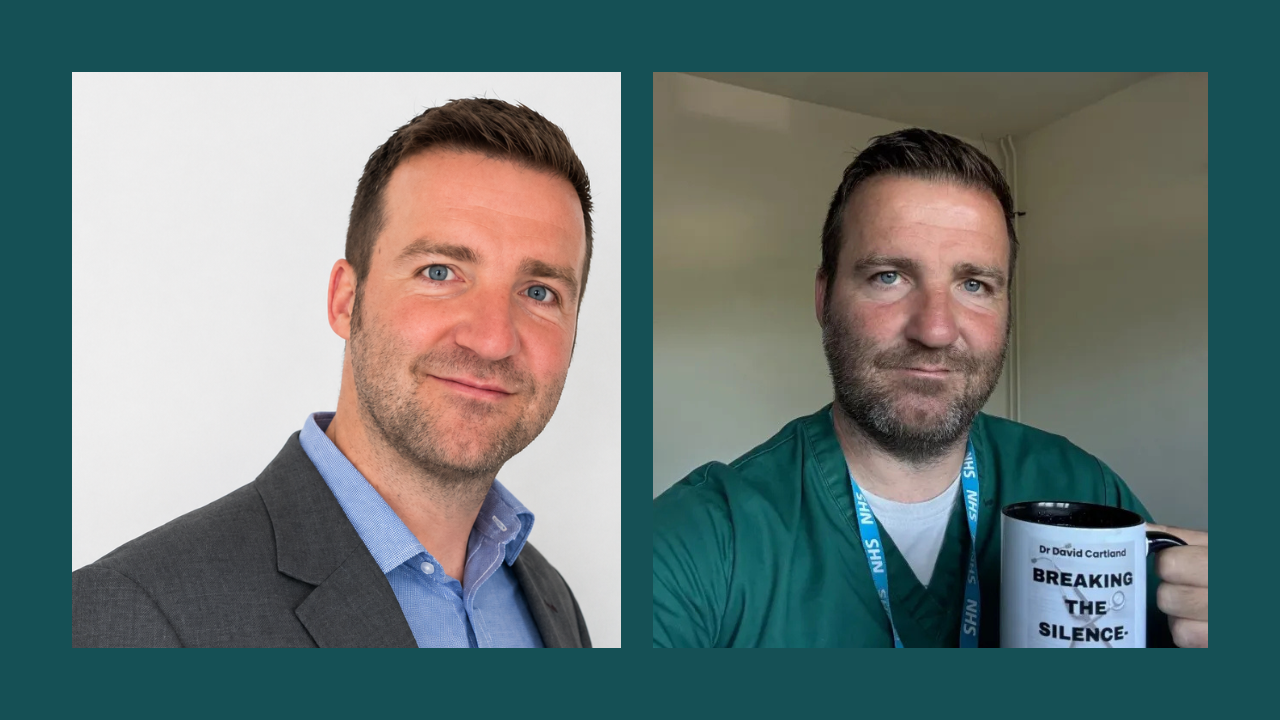
David Cartland became a widely discussed figure during and after the COVID-19 pandemic because of his outspoken opinions on vaccines, healthcare policy, and medical ethics. Known online as a doctor who challenged mainstream narratives, he attracted attention from supporters who viewed him as a whistleblower and critics who considered his statements controversial. Over the past few years, the name “David Cartland doctor” has frequently appeared in discussions surrounding COVID debates in the United Kingdom, especially on social media platforms and independent media channels.
His career journey, public statements, and professional controversies have made him one of the more recognizable British medical voices associated with alternative discussions about COVID-19. While many healthcare professionals chose to follow official public health guidance without public criticism, David Cartland openly questioned parts of the pandemic response. This position placed him at the center of heated conversations about free speech, medical responsibility, patient safety, and online behavior.
Who Is David Cartland?
David Cartland is a British doctor who trained at Birmingham Medical School and qualified in 2008. Reports about his background state that he worked in several areas of primary care and general practice, including urgent care and clinical triage services. He also studied biomedical science and had specialist training related to immunology, microbiology, and virology during his education.
For many years, he worked within the National Health Service in the United Kingdom. During this period, he developed experience in patient care and general medical practice. According to information published on his professional platforms, his interests later expanded toward preventative healthcare, health coaching, nutrition, and holistic wellness approaches.
Although he was relatively unknown to the general public before the pandemic, COVID-19 dramatically increased his visibility. Social media platforms allowed doctors and healthcare workers to directly communicate with the public, and David Cartland used these channels extensively. His posts often focused on vaccine safety concerns, medical transparency, ethical responsibilities, and criticism of government health policies.
David Cartland and the COVID-19 Debate
The phrase “David Cartland COVID” became popular online because of his outspoken criticism of certain aspects of the pandemic response. Unlike many doctors who supported official vaccination campaigns without public objection, Cartland questioned vaccine mandates, lockdown strategies, and what he described as a lack of open scientific debate.
According to statements published publicly, he considered it his moral duty to speak about concerns he believed were being ignored within mainstream healthcare discussions. He argued that medical professionals should be allowed to debate vaccine risks and public policy without fear of punishment.
His supporters viewed him as a doctor willing to challenge powerful institutions, while critics accused him of spreading misinformation and creating distrust around vaccines. This divide reflected a broader global conflict that emerged during the pandemic, where public health policies became deeply connected to politics, media narratives, and online activism.
Cartland also became associated with independent podcasts, interviews, and alternative media outlets that focused heavily on COVID-related skepticism. In these appearances, he often discussed vaccine injuries, medical ethics, censorship, and freedom of speech. Some audiences praised him for encouraging open discussion, while others strongly disagreed with his conclusions.
Public Attention Through Social Media
One of the major reasons David Cartland gained recognition was his strong presence on social media. During the pandemic years, platforms such as X, YouTube, and other online networks became major spaces for public debate about healthcare. Doctors who previously worked quietly within clinics suddenly had audiences of thousands or even millions.
Cartland used social media to share opinions about government policy, vaccine programs, and healthcare systems. His communication style was direct, emotional, and highly critical at times, which increased both his popularity and the controversies surrounding him.
Supporters believed he represented independent thinking in medicine. They argued that questioning official guidance was an important part of scientific discussion. Some individuals praised him for speaking openly about concerns they felt were ignored by traditional media outlets.
However, his critics argued that doctors carry significant public responsibility when discussing healthcare online. They believed some of his comments contributed to confusion or mistrust during a global health emergency. The online debates around his statements often became highly emotional and politically charged.
Reddit discussions about David Cartland reveal this division clearly. Some users defended his right to question public policy, while others criticized his views and accused him of promoting anti-vaccine narratives.
Professional Controversies and Challenges
The growing public attention surrounding David Cartland eventually led to professional scrutiny. Reports from multiple sources describe complaints connected to his online conduct and public comments. Discussions around these issues included concerns about professionalism, social media behavior, and interactions with other public figures.
Some reports stated that medical authorities investigated his behavior and online communication. Supporters argued that he was unfairly targeted because he challenged mainstream COVID policies. Critics, however, believed medical professionals should maintain strict professional standards even when participating in online debates.
The situation highlighted a major issue that emerged during the pandemic: how doctors should balance freedom of expression with professional responsibility. Many healthcare workers faced pressure from both sides of the debate. Some feared speaking publicly against official policies, while others worried about the spread of inaccurate medical claims online.
Cartland’s case became symbolic of this wider conflict within healthcare communities. For some people, he represented resistance against institutional pressure. For others, he became an example of how social media can intensify division and hostility during public health crises.
The Impact of COVID on Medical Professionals
The story of David Cartland cannot be separated from the broader impact COVID-19 had on healthcare workers worldwide. The pandemic created enormous stress within medical systems. Doctors faced long working hours, emotional exhaustion, rapidly changing guidelines, and intense public scrutiny.
Healthcare professionals also experienced pressure from online audiences. Many doctors who shared opinions publicly found themselves either praised or attacked depending on their views. This environment created a level of polarization rarely seen in modern medicine.
COVID also changed how people viewed medical authority. Before the pandemic, most healthcare discussions happened privately between doctors and patients. During COVID, medical debates became public conversations happening on television, podcasts, social media, and news platforms every day.
Doctors like David Cartland became public figures partly because audiences were searching for alternative voices during uncertain times. The pandemic increased public interest in scientific research, vaccine development, testing methods, and healthcare ethics. As a result, individual doctors could suddenly gain large followings online based on their opinions and communication style.
David Cartland’s Current Public Image
Today, David Cartland remains a controversial figure. Some supporters describe him as a courageous doctor who sacrificed his career to speak openly about concerns related to COVID policies and vaccine programs. Others believe his actions contributed to misinformation and unnecessary fear during an already difficult global crisis.
His professional platforms now focus heavily on health coaching, second-opinion services, wellness discussions, and independent commentary about healthcare systems. He has also been involved in podcasts and interviews discussing medical ethics and his experiences during the pandemic years.
Regardless of public opinion, his story reflects how dramatically the pandemic changed communication between doctors and society. COVID transformed healthcare professionals into public personalities in ways rarely seen before. The combination of social media, political tension, and global uncertainty created an environment where medical voices became central to worldwide debate.
Lessons From the David Cartland COVID Discussion
The discussions surrounding David Cartland reveal important lessons about modern healthcare communication. First, they show how quickly public trust can become divided during periods of crisis. Second, they highlight the influence social media now has on medical conversations. Third, they demonstrate the challenges doctors face when expressing controversial opinions publicly.
The COVID era exposed deep disagreements about science, authority, freedom of speech, and public responsibility. David Cartland became one of many medical figures associated with these debates, though his visibility and outspoken style made him especially noticeable.
Whether viewed positively or negatively, his role in pandemic discussions reflects a larger transformation in how healthcare information spreads online. Public audiences increasingly expect direct communication from doctors, while doctors themselves must navigate the risks of public attention and controversy.
Conclusion
David Cartland became widely known because of his outspoken role during the COVID-19 pandemic. His background as a doctor, combined with his criticism of vaccine policies and public health strategies, placed him at the center of major online debates. Supporters viewed him as an independent thinker willing to challenge authority, while critics believed his statements contributed to misinformation and division.
The story of “David Cartland doctor” and “David Cartland COVID” reflects the wider tensions that shaped the pandemic years. It demonstrates how healthcare professionals increasingly operate in a world where medicine, media, and public opinion are closely connected. As discussions about COVID continue, figures like David Cartland remain part of the broader conversation about medical ethics, free speech, and the future of public healthcare communication.
