
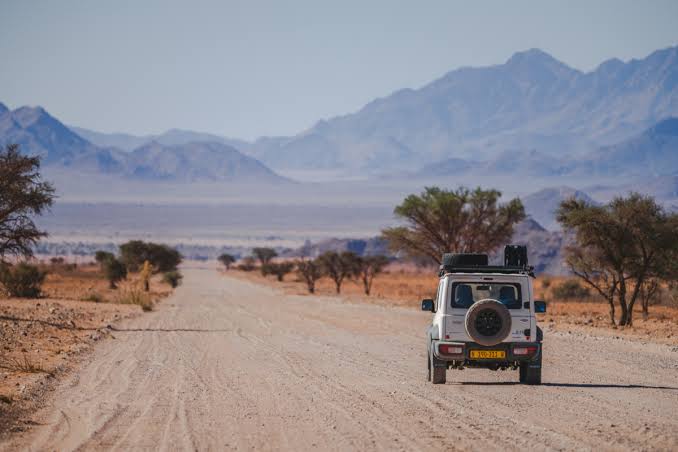
There’s something exciting about planning a road trip. You open Google Maps, start saving interesting places, and before long, your route is filled with scenic viewpoints, small towns, restaurants, and famous landmarks.
Then the trip begins, and you realise you’ve spent more time checking the clock than enjoying the drive.
It’s a common mistake. When you’re travelling somewhere new, you want to see as much as possible. But squeezing too many stops into one journey often leaves you tired, rushed, and unable to enjoy the places you’ve come to visit.
A better road trip isn’t always about how far you travel or how many attractions you visit. Sometimes, choosing fewer stops gives you more time to enjoy the journey itself.
Choose Places You Actually Want to Visit
The first step is being selective about where you stop.
Not every famous landmark deserves a place on your itinerary. Some attractions look impressive in photographs but offer little beyond a quick picture. Others are worth spending half a day exploring.
Before adding a destination, ask yourself whether you’re genuinely interested in visiting it or simply including it because everyone else does.
For example, a drive through the Scottish Highlands can easily turn into a long list of castles, lochs, villages, and viewpoints. While they’re all worth considering, visiting everything in one trip isn’t realistic.
Instead, choose two or three places that appeal to you most. Spend a morning walking around a village, have lunch at a local café, or take your time exploring a quiet walking trail.
You’ll remember those experiences more clearly than a dozen rushed photo stops.
There’s also something satisfying about leaving places for another visit. You don’t need to see everything the first time.
Give Each Destination Enough Time
A useful approach is to plan one main activity for each day.
If you’re visiting a coastal town, spend a few hours there rather than treating it as a short break between longer drives. Walk along the beach, browse independent shops, or find somewhere overlooking the water.
Having fewer commitments also makes it easier to change your plans when you discover somewhere unexpected.
Stop Treating the Journey Like a Race
Road trips are supposed to feel different from ordinary travel. You have the freedom to choose your route, stop when something catches your attention, and enjoy the scenery along the way.
But a packed schedule takes away much of that freedom.
Constantly watching your arrival time creates pressure, especially when traffic, roadworks, or poor weather slow you down.
A slower pace can also make travelling feel more restful.
For people dealing with ongoing stress or emotional strain, having time away from everyday demands can provide space to think. Of course, a holiday isn’t a replacement for professional support. People facing more serious concerns sometimes need services such as mental health treatment Laguna Beach rather than relying on travel alone to feel better.
Still, for ordinary day-to-day stress, a quiet drive through the countryside can be a welcome break.
Leave Room for Unexpected Discoveries
Some of the nicest road trip moments aren’t planned.
You might notice a small farm shop selling homemade pastries or a viewpoint that wasn’t mentioned in your travel guide.
Perhaps you’ll find a village market where locals are chatting over coffee.
These places often become favourite memories because you weren’t expecting them.
Build some free time into your schedule so you can enjoy these discoveries without worrying about reaching the next destination.
Make Your Breaks Part of the Experience
Taking breaks is important on a long drive, but they don’t always have to mean stopping at another motorway service station.
With a little planning, you can turn ordinary rest stops into enjoyable parts of the trip.
Look for small towns, public gardens, coastal paths, or countryside cafés along your route. Even a 30-minute break somewhere pleasant can make a long journey feel less tiring.
Food is another good reason to slow down.
Instead of eating another supermarket sandwich in the car, find a local pub serving lunch or a bakery known for its fresh bread.
You don’t need an expensive restaurant. Sometimes, a warm meal and a comfortable seat are enough.
Keep Your Energy in Check
Long drives require concentration, especially on unfamiliar roads.
Drink enough water, eat regularly, and take breaks before you feel exhausted. If you’re sharing the journey, switch drivers when possible.
It’s also worth thinking about your physical and emotional well-being before setting off.
For someone recovering from substance-related problems, travel plans can involve extra considerations. A change in routine, unfamiliar surroundings, or social situations involving alcohol can create challenges. Those receiving support through programmes such as drug and alcohol rehab New Jersey may benefit from discussing travel plans with their care team.
For most travellers, the basics remain simple: get enough sleep, avoid driving when tired, and don’t push yourself to cover more miles than necessary.
A road trip should leave you with good memories, not complete exhaustion.
Plan Your Route Around Comfort, Not Distance
A common planning mistake is assuming that a shorter route is always better.
Sometimes, the quickest road is also the least interesting.
Motorways are useful when you need to cover long distances, but quieter routes often offer better views and more enjoyable places to stop.
For example, driving through the Cotswolds gives you the chance to pass traditional villages, rolling hills, and historic market towns. The journey itself becomes part of the experience.
That doesn’t mean avoiding major roads completely. A sensible road trip combines efficient travel with slower sections worth exploring.
Be Realistic About Driving Hours
Google Maps provides useful journey estimates, but these don’t always account for breaks, traffic, or unexpected delays.
A four-hour drive can easily become six hours once you’ve stopped for lunch, filled up with petrol, and explored somewhere along the way.
Try to avoid planning several long driving days in a row.
If possible, spend two nights in one location before moving on. You’ll have more time to explore without unpacking your bags every evening.
Also, make sure you’re fit to drive.
Some people rely on energy drinks or other stimulants to stay awake during long journeys, but these aren’t substitutes for proper rest. The health risks of stimulant misuse are another reminder that forcing yourself to stay alert through artificial means can have serious consequences.
If you’re struggling to concentrate, find somewhere safe to stop and rest.
Reaching your destination later is always better than taking unnecessary risks.
Enjoy the Places Between the Famous Attractions
One of the best things about travelling by car is discovering places you probably wouldn’t visit otherwise.
A small village might not appear in a popular travel guide, but that doesn’t mean it has nothing to offer.
You might find a family-run café, a peaceful riverside walk, or a local shop selling handmade products.
These experiences give you a better sense of the places you’re travelling through.
They’re also a reminder that memorable travel doesn’t always require expensive activities or famous attractions.
Let the Day Develop Naturally
It’s useful to have a general plan, particularly when booking accommodation or travelling during busy periods.
But you don’t need to schedule every hour.
If you find somewhere you enjoy, stay longer. If the weather changes, choose another activity. And if you’re tired, spend the afternoon relaxing rather than driving to another attraction.
A flexible itinerary makes these decisions easier.
During autumn, for example, shorter daylight hours and unpredictable weather can affect countryside drives across the UK. Allowing extra time means you can enjoy the scenery without rushing along unfamiliar roads after dark.
The same approach works during summer, when popular destinations become crowded and parking takes longer than expected.
A Good Road Trip Isn’t Measured in Miles
It’s tempting to judge a road trip by how much ground you’ve covered.
But think about the journeys you remember most. Chances are, it’s not the total distance or number of stops that stands out.
It’s the little things.
A good conversation during a long stretch of road. Lunch in a village you’d never heard of. A quiet evening watching the sunset after a day of exploring.
These moments need time, and that’s exactly what a packed itinerary takes away.
The next time you’re planning a road trip, try removing a few destinations from your list. Choose places that genuinely interest you, allow comfortable driving times, and leave space for the unexpected.
You might travel fewer miles and visit fewer attractions.
But you’ll probably enjoy the journey a whole lot more.
