
Introduction – The Enduring Appeal of Butchers Block in Modern Kitchens
When considering kitchen surfaces and furniture that blend function, warmth, and timeless appeal, butchers block designs stand out as a versatile choice that transcends simple utility. Originally a staple in butcher shops for their rugged durability and capacity to withstand heavy-duty chopping and cutting, butcher blocks have evolved into celebrated elements of contemporary kitchen design. This transformation has seen the traditional chopping block take on new forms such as butchers block tables, expansive butchers block countertops, creative hybrid solutions like butchers block on wheels, and ambitious mixed-material pieces that incorporate butchers block stone. Each variation brings its own set of advantages and challenges, yet all share the core aesthetic appeal of natural wood and the promise of durability when properly maintained. Historically rooted in practical food preparation, butcher block now offers both chefs and homeowners a link between handcrafted charm and everyday kitchen functionality.
Understanding the – Origins, Materials, and Construction
At its core, a butchers block refers to a work surface constructed from thick pieces of hardwood bonded together into a solid slab. Traditionally, butcher blocks were made to withstand the force of heavy cleavers and constant knife work in professional butcher environments. The construction of these surfaces typically involves hardwoods such as maple, walnut, oak, or birch, chosen for their dense grain and resilience. There are two primary grain orientations in butcher block construction: end grain and edge grain. End grain pieces are arranged so that the wood fibers run vertically, creating a checkerboard pattern that is exceptionally forgiving on knives and hides cuts and nicks well. Edge grain blocks use wood strips laid flat edge-to-edge, offering a smoother visual appearance and slightly lower cost while still providing durability. Today’s butcher block material is not only functional but also appreciated for its warm aesthetics and natural texture, making it a favored choice in domestic kitchens beyond its original industrial roots.
The Table – Functional Furniture with Rustic Elegance
A butchers block table is one of the most significant and widely recognized adaptations of traditional butcher block material. Unlike cutting boards or worktops, these tables are full-fledged pieces of furniture that serve as eating surfaces, prepping stations, or multipurpose islands in kitchens, dining rooms, and even outdoor spaces. The appeal of a butcher block table lies in its combination of practicality and visual character. These tables can act as robust preparation surfaces that handle food chopping, dough kneading, and everyday wear, yet they can also serve as warm dining tables that elevate the look of a space with organic texture and craftsmanship.
Because butcher block tables are typically constructed using thick slabs of hardwood, they are inherently strong and capable of withstanding years of use. They are ideal for kitchens where the work surface becomes a central hub for cooking and social interaction. Homeowners often customize these tables to match their kitchen’s scale and style, choosing wood species that complement cabinetry and flooring or even incorporating features like built-in storage or seating ledges. One of the unique traits of butcher block tables is their ability to age gracefully; small scratches and marks can develop a patina that deepens the character of the wood over time. However, this same feature means they require regular care and attention to maintain hygiene and appearance, especially if used for both food prep and dining.
Countertop – A Classic Surface for Contemporary Kitchens
One of the most popular applications of butcher block material today is as a butchers block countertop. Countertops of this style transform kitchens with warmth and organic beauty, offering a refreshing contrast to cooler materials like quartz, granite, or stainless steel. Unlike laminate or synthetic surfaces, butcher block countertops provide a tactile connection to natural materials, contributing to kitchen designs that feel more inviting and personal.
While butcher block countertops are stunning in appearance, they come with specific considerations related to performance. Because wood is a porous material, it can be susceptible to water damage, staining, and bacterial growth if not sealed and maintained properly. Regular oiling with food-safe mineral oil or another protective finish is essential to prevent drying, warping, and cracks over time. Also, wood countertops are not heat-resistant in the way stone surfaces can be; placing hot pots or pans directly on the surface can leave burn marks that may require sanding to remove. In terms of maintenance, butcher block counters typically need cleaning after every use and conditioning regularly to protect the wood from moisture and wear. While this might be more involved compared to engineered surfaces, many homeowners value the balance of beauty and function that butcher block provides, often opting to place these surfaces where they can highlight their warmth—such as on kitchen islands or designated prep areas.
Bringing Mobility to the Kitchen – Butchers Block on Wheels
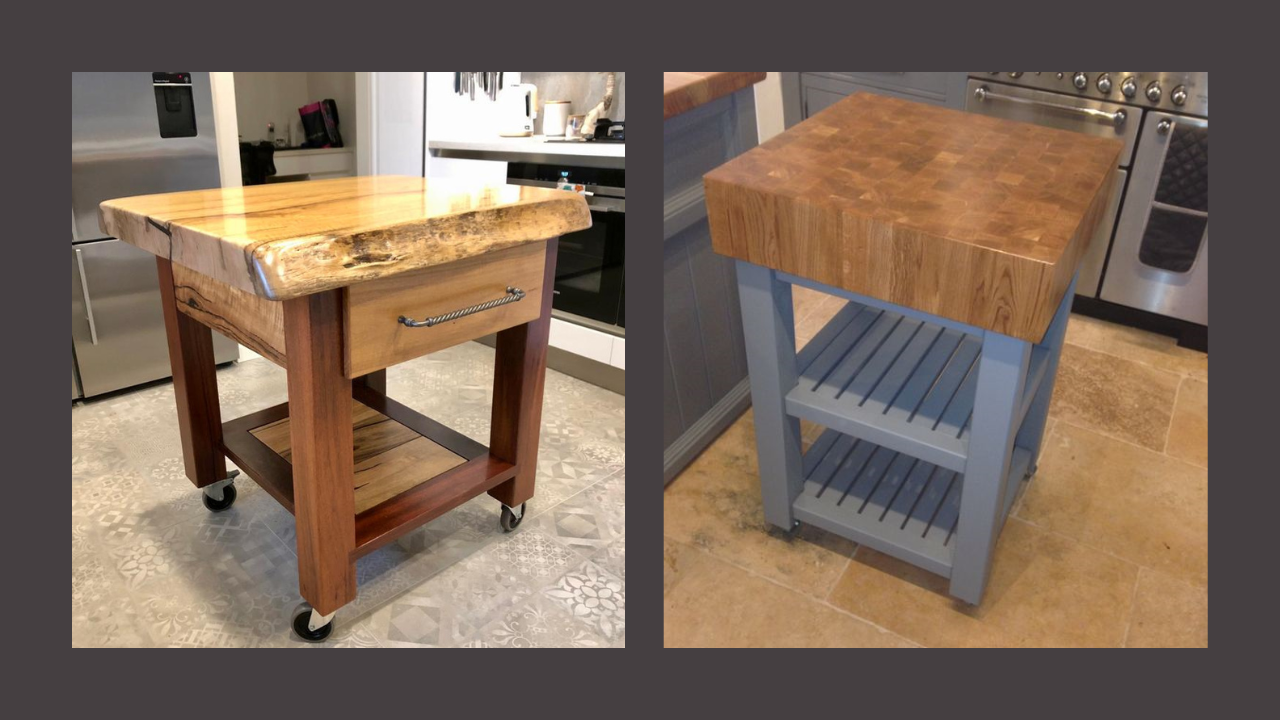
An increasingly popular variation in modern kitchens is the butchers block on wheels. This design blends the substantial surface of butcher block wood with the mobility of caster wheels or trolley bases, resulting in versatile kitchen units that can shift to wherever workspace is needed most. These mobile butcher block units function as rolling islands, serving carts, or extra prep stations that adapt to the dynamic flow of everyday cooking.
The functional benefits of a butcher block on wheels are particularly evident in smaller kitchens or open-plan spaces where flexible workspace can make a significant difference. When guests arrive or meal preparation intensifies, these units can be moved to create extra counter space, serve as a buffet surface, or offer additional storage beneath the wood top. Many designs include locking wheels for stability during use, ensuring that mobility doesn’t compromise safety. A rolling butcher block unit also adds aesthetic interest to kitchen design, breaking up static lines with a lively, furniture-like presence that invites interaction. The combination of durability, mobility, and rustic allure makes this type of butcher block piece both practical and stylish.
Butchers Block Stone – When Wood Meets Hard Surfaces
Though less conventional than pure wood butcher block installations, butchers block stone concepts represent an imaginative hybrid approach that combines the organic beauty of wood with the rugged resilience of stone. This might include stone inlays incorporated into butcher block surfaces, adjoining wood and stone sections on countertops, or tables that pair butcher block tops with stone accents such as marble or soapstone. The goal of these combinations is to take advantage of the tactile warmth of wood while integrating the durability and low-maintenance advantages of stone.
Stone elements introduce qualities that wood alone lacks, including superior heat resistance and reduced need for frequent conditioning. By juxtaposing wood and stone, designers can create functional zones tailored to specific tasks—such as a stone section for hot cookware and a wood section for food prep or casual dining. This layered approach also enriches the visual narrative of a kitchen, merging contrasting textures for a more complex and personalized design style.
Care, Maintenance, and Longevity – Keeping Your Butchers Block Beautiful
A key consideration for any butcher block installation—whether a table, countertop, mobile unit, or mixed wood-and-stone surface—is care and maintenance. Unlike stone counterparts that often require minimal attention, butcher block wood demands consistent upkeep to maintain its integrity and beauty. At a minimum, wood surfaces should be cleaned after each use with mild soap and warm water to prevent moisture buildup and bacterial growth. Applying a food-safe oil monthly (or at least quarterly) helps protect the wood from drying, cracking, and absorbing stains while enhancing its natural grain.
Because wood expands and contracts with changes in humidity and temperature, surfaces should be monitored for signs of warping or splitting, particularly near sinks or high-moisture areas. Minor scratches can often be sanded out, restoring smoothness and extending the life of the surface. One advantage of butcher block is its ability to be refinished rather than replaced, making it a long-term investment when properly cared for.
Conclusion – Making the Right Choice for Your Space
Choosing between butchers block tables, butchers block countertops, butchers block on wheels, or integrated butchers block stone elements depends on your lifestyle, design preferences, and willingness to embrace regular maintenance. Each option offers distinctive advantages: warmth, natural beauty, durability, and adaptability. While wood requires attention and care, it rewards homeowners with a surface that ages gracefully and develops character over time.
Whether you are designing a modern kitchen, a rustic farmhouse space, or a flexible culinary environment, butcher block solutions remain a timeless and practical choice. With thoughtful selection and consistent care, these surfaces can become the heart of your kitchen—functional, inviting, and built to last for years to come.
