
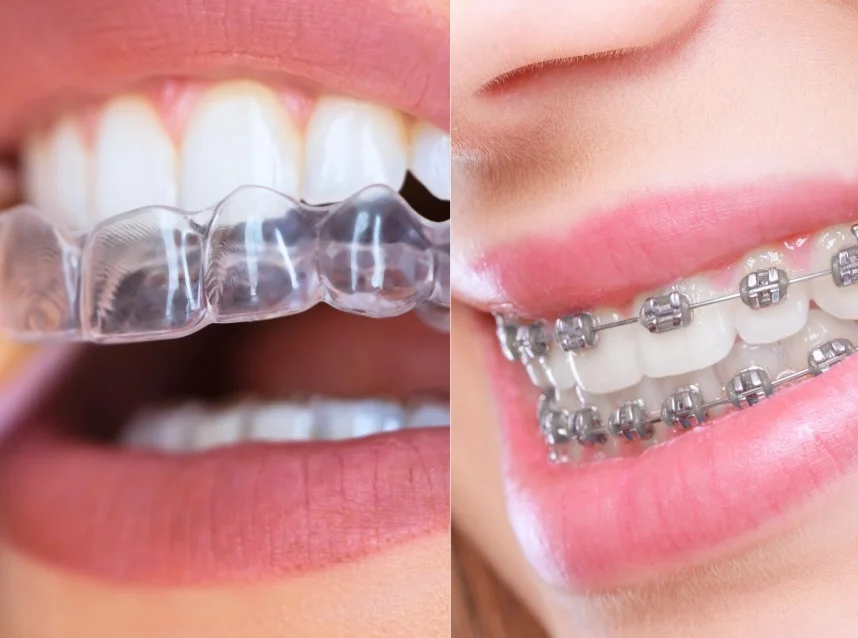
Choosing between braces and clear aligners is not simply a matter of picking the less noticeable option. Both aim to move teeth, but they differ in how they work, what they ask of you each day and which problems they may be suitable for. When exploring orthodontic care for adults, teens and children, it helps to arrive at a consultation with questions rather than a fixed preference. The answers should reflect an assessment of your teeth and bite, as well as your routine, priorities and budget.
What am I trying to change?
Start by describing what concerns you in ordinary language. Is it crowded teeth, a gap, a bite that feels uneven or difficulty cleaning certain areas? Your clinician can explain what an examination shows and whether your goals are achievable. Appearance may be your main concern, but bite function and long-term stability also deserve discussion.
Ask what the proposed treatment would address and what it would not. A clear account of the expected outcome makes it easier to compare options without assuming that straighter-looking teeth always mean the same result.
Are both options suitable for my case?
Braces use brackets and wires attached to the teeth. Clear aligners are removable trays made to guide teeth through a planned series of movements. Either approach may be appropriate for many people, but suitability depends on the movements needed, the condition of the teeth and gums, and other individual factors. Some plans may also involve attachments, extractions or additional appliances.
Ask the clinician to explain why they recommend one approach, whether the alternative could achieve a similar result and what compromises it might involve. If you have existing dental work or concerns about your gums, mention these early so they can be considered in the plan.
What will treatment ask of me each day?
Fixed braces stay on during meals and sleep, although they require careful cleaning and attention to foods that might damage them. Aligners can be removed, but they generally need to be worn for the prescribed number of hours each day to work as planned. The ability to take them out is useful only if you can reliably put them back in.
Think honestly about school, work, sport and travel. Would keeping track of removable trays be straightforward? Could you manage cleaning after meals away from home? For a younger patient, ask how much responsibility they can realistically take on and what support they may need.
How will eating and cleaning change?
With braces, you may need to avoid particularly hard or sticky foods and spend more time cleaning around brackets and wires. With aligners, meals usually involve removing the trays, then cleaning your teeth before replacing them as advised. Neither option removes the need for regular dental care.
Ask for a practical demonstration of the cleaning routine before deciding. If you play a contact sport or a musical instrument, raise that too: the clinician can discuss how either appliance may affect your usual equipment or habits. Small daily inconveniences can matter when treatment continues for months.
What should I know about timing and appointments?
Treatment length cannot be reliably judged from photographs or another person’s experience. It depends on the starting position of your teeth, the movements required and how treatment progresses. Ask for an estimated range, what that estimate assumes and what could cause the plan to change.
Also ask how often appointments are expected and what happens if a bracket breaks or an aligner is lost. If you live far from the clinic, have unpredictable shifts or expect to move during treatment, explain this before committing. A workable schedule is part of a workable treatment plan.
Will one option feel more comfortable?
Both braces and aligners can cause temporary pressure or tenderness as teeth move. Brackets and wires may irritate the inside of the mouth; aligner edges or attachments may also take getting used to. Experiences vary, so a promise that one option will be painless would be misleading.
Ask what discomfort is commonly expected, how to manage it safely and which symptoms warrant a call to the clinic. If you are concerned about speech, request a realistic explanation of how the appliance might affect it initially. Knowing whom to contact about a problem can make the adjustment period less uncertain.
What is included in the quoted cost?
Rather than comparing headline prices alone, request a written breakdown. Does the quote cover records, appliances, routine appointments, repairs, replacement aligners and retainers? Are there circumstances in which additional charges could arise? Payment arrangements, if offered, are worth reviewing for their full terms rather than just the instalment amount.
In Australia, private health insurance benefits depend on the policy, eligibility and applicable limits. Check details with your insurer and the clinic rather than assuming a particular amount will be covered. A clear financial picture helps you weigh convenience and suitability without an unexpected expense shaping the decision later.
What happens after active treatment?
Teeth can shift after braces or aligners are finished, so ask about retention before treatment begins. Find out what type of retainer is proposed, how it should be worn and maintained, and whether follow-up visits are included. The answer may affect both your routine and the total cost.
If two options appear equally appealing, return to the fundamentals: the clinician’s reasons for recommending each, the outcome you are seeking and the responsibilities you can sustain. A useful decision is not necessarily the fastest or least visible one. It is the option that fits your clinical needs and that you understand well enough to follow through with.
