
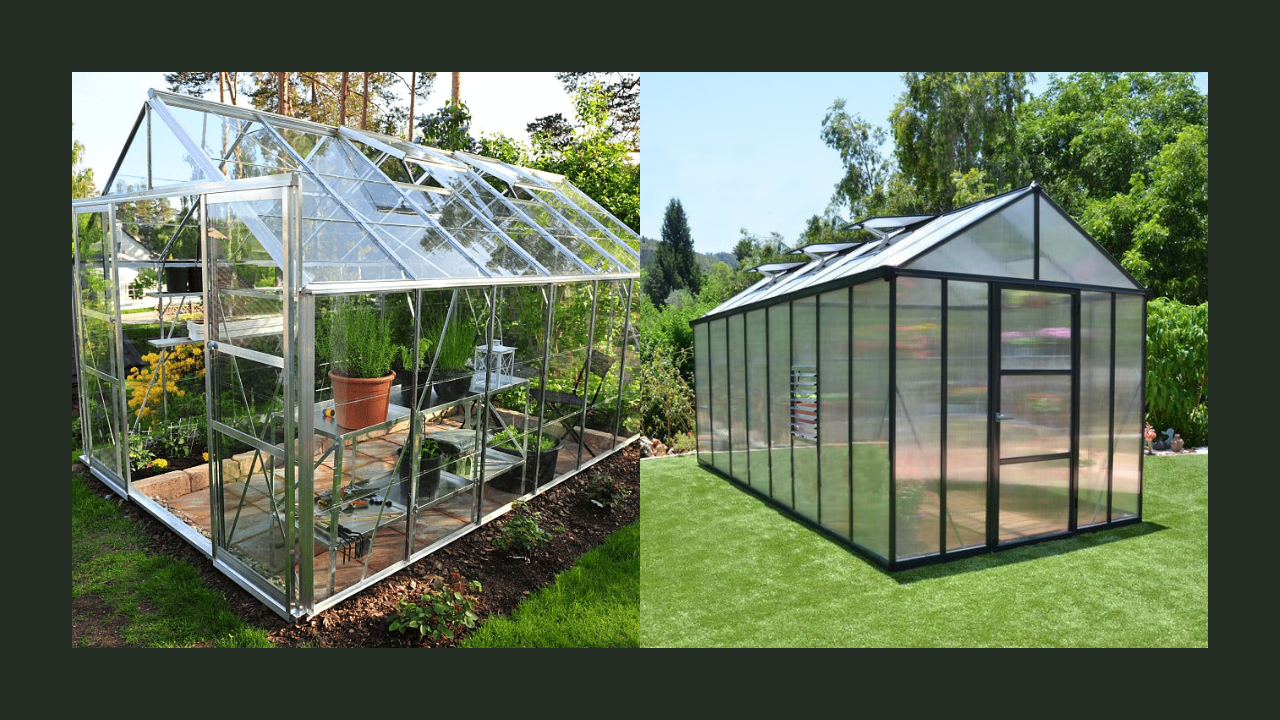
Acrylic Greenhouse Choosing the right glazing affects how well your plants grow and how your greenhouse holds up across the seasons. You want a sheet that keeps light consistent, resists wear and handles day-to-day weather with ease.
Some gardeners compare acrylic and polycarbonate because both offer dependable cover, yet they don’t perform in the same way once in use. The choice you make will influence how your structure looks and functions for many years. Keep on reading to see which material gives you better results for long-term growth.
Acrylic Greenhouse Clarity Is the Most Important Factor for a Greenhouse
Clear glazing changes how well your plants receive light throughout the day. Acrylic usually offers bright, consistent clarity that helps you see every corner of your greenhouse, and the surface stays crisp even after years of sunlight.
When you fit an acrylic greenhouse sheet from a trusted supplier like Simply Plastics, you will benefit from a clear surface that keeps the structure looking tidy and helps you maintain even light levels without distortion.
Polycarbonate still delivers good light, although it often appears slightly softer and less defined, especially when formed as multiwall panels.
Acrylic Greenhouse Strength, Impact Resistance and Everyday Handling
In a greenhouse, you also need a material that stands firm during rough weather. Polycarbonate has very high impact resistance and handles accidental knocks well, so it suits gardens that see frequent activity. It bends slightly under pressure and springs back into shape, which helps prevent damage from falling twigs or loose items during storms.
Acrylic behaves differently because it’s more rigid, yet it still offers strong resistance for general greenhouse use. It doesn’t shatter like glass and stays stable across wide temperature changes. It’s a sheet that looks closer to glass while still delivering dependable strength in everyday conditions.
Acrylic Greenhouse Insulation, Temperature Control and Growing Routine
Temperature stability is central to good growing practice. Multiwall polycarbonate traps air within its structure, which increases insulation and slows heat loss at night. This can help you protect tender plants early in the season.
Acrylic can still support reliable temperature control as thicker panels reduce heat loss and allow daytime warmth to build quickly. Because acrylic lets in more light with fewer interruptions, you often warm the greenhouse faster during cooler mornings. This helps you extend the active growing window, although good ventilation is key so your plants don’t overheat during warm spells.
Weathering, UV Resistance and Long-Term Appearance
Acrylic is known for its strong resistance to sunlight when the sheet has proper UV protection. It holds its clarity for many years and doesn’t yellow easily, which helps your greenhouse keep a bright and neat appearance. Light cleaning with soapy water is usually enough to maintain its finish.
Polycarbonate also resists weathering, but it can begin to haze if coatings fade or if the surface sees repeated abrasion. Multiwall designs can gather dirt in the flutes, which can make the structure look dull over time. Acrylic’s rigid form stays flatter and avoids ripples, so it maintains a clearer view inside and out.
Value and Lifespan
Cost influences many choices, and polycarbonate often comes with a lower initial price. It offers strong insulation and impact resistance, so it appeals to gardeners with busy outdoor spaces. However, you may accept a less refined look and gradual loss of clarity.
Acrylic generally costs more at the start, but it delivers long-term clarity, reliable UV resistance and a more polished finish that doesn’t fade easily. This means you often gain better value over the lifespan of the greenhouse because you keep a cleaner, brighter environment with less maintenance.
Weighing Them Up
Both materials support healthy growth, although they don’t offer equal levels of clarity, appearance and ageing. Acrylic offers brighter light, more consistent clarity and a tidier finish that lasts for years with simple care. Polycarbonate excels in impact resistance, yet many gardeners still prefer acrylic because it keeps the greenhouse looking clear and inviting.
