
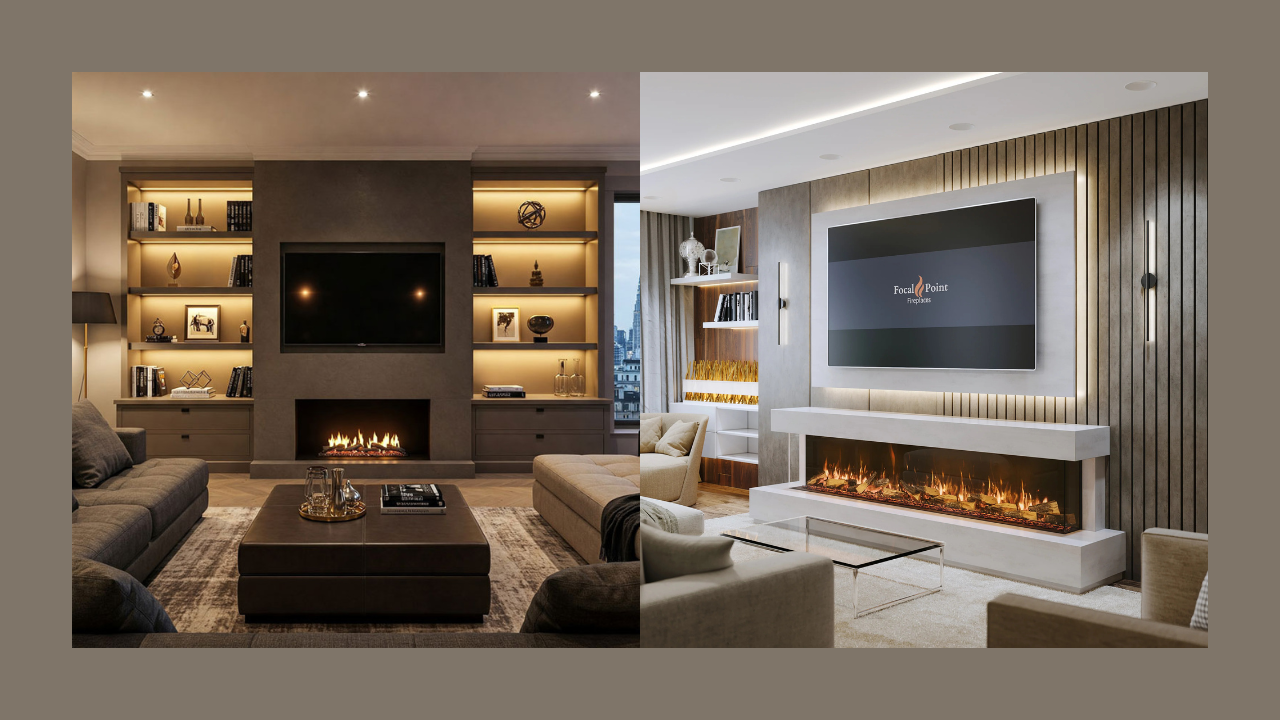
In modern interior design, media walls have become an essential feature of stylish and functional living spaces. What was once a simple wall used to mount a television has evolved into a thoughtfully designed focal point that blends technology, storage, and aesthetics. A well-planned TV wall unit enhances a room’s visual appeal while improving organization and comfort. Homeowners today are increasingly drawn to creative entertainment walls that reflect their lifestyle, maximize space, and complement contemporary interiors. Among the most popular choices are shelved entertainment units, which offer both display and storage opportunities, creating depth and personality in the living area.
Understanding Media Walls in Modern Homes
A media wall is a built-in or wall-mounted structure designed to house a television along with functional and decorative elements. Unlike traditional TV stands or cabinets, these units are integrated into the architecture of the room, providing a seamless, polished look. They often include shelving, cabinets, lighting, and textured panels, transforming an ordinary wall into a design statement. Media walls are not just about placing a television at eye level; they create a harmonious composition that enhances the room’s layout and atmosphere.
The Rise of TV Wall Units
The popularity of TV wall setups has grown as homeowners seek cleaner, more organized interiors. With fewer visible cables and better space utilization, these designs offer a refined alternative to bulky furniture. As televisions have become thinner and larger, wall-mounted units are both practical and visually appealing. Modern entertainment walls now provide storage for devices, space for decor, and hidden compartments to keep rooms uncluttered.
Key Principles Behind Modern Wall Designs
Successful wall-mounted TV units focus on balance, proportion, and functionality. The television should feel integrated rather than appearing as an afterthought. Designers often use symmetry for a calm, structured appearance or asymmetry for a dynamic, contemporary feel. Color selection is crucial, with neutral tones offering timeless appeal and darker shades adding drama. Materials such as wood, textured panels, or smooth finishes define the character of the wall while blending with the room’s decor.
Media Walls Popular Styles for Contemporary Spaces
Minimalist TV Walls
Minimalist designs emphasize clean lines and simplicity. Smooth surfaces, neutral colors, and concealed storage reduce visual clutter, creating a calm and open environment. Minimalist walls are functional yet elegant, making them ideal for modern homes where subtlety is key.
Floating Wall Units
Floating wall units create a sense of lightness by suspending cabinets and shelves off the floor. This design makes rooms feel more spacious and open, while also simplifying cleaning. Floating units work well in smaller spaces where maintaining an airy feel is important.
Media Walls Shelved Entertainment Units: Practical and Stylish
Media walls with shelves are among the most versatile design options available. Shelves provide space for books, decorative items, plants, and personal memorabilia, allowing homeowners to personalize the area. Open shelving can frame the television, creating balance and visual interest without overwhelming the room. Built-in shelving also reduces the need for extra furniture, helping maintain a cohesive and organized look.
Media Walls Lighting Ideas for Wall-Mounted Units
Lighting significantly enhances the appearance of TV walls. Integrated LED strips or recessed lights can highlight textures and add depth to the design. Soft ambient lighting around the television reduces eye strain and creates a comfortable viewing environment. Shelf lighting draws attention to displayed objects, adding warmth and atmosphere, especially in the evening.
Material Choices for Media Walls
Materials impact both durability and aesthetics. Wood finishes add warmth and texture, while smooth panels create a sleek contemporary look. Textured surfaces, such as stone or patterned panels, introduce depth and architectural interest. Selecting high-quality materials ensures the wall remains attractive and structurally sound for years to come.
Storage and Space Optimization
A major advantage of entertainment walls is the ability to optimize storage. Built-in cabinets and concealed compartments keep electronics, accessories, and personal items organized. This reduces clutter and improves room flow, making wall-mounted units especially useful in open-plan spaces.
Integrating Wall Units with Home Interiors
A well-designed wall unit should complement the overall interior style. Coordinating colors, finishes, and materials with surrounding furniture creates a cohesive look. Carefully curated decorative items on shelves can enhance style without overcrowding. Thoughtful integration ensures the wall becomes a natural extension of the home’s design.
Installation and Safety Considerations
Proper installation is key for the longevity and safety of wall-mounted TV units. The wall must support the television and shelves adequately. Ventilation is essential to prevent electronic devices from overheating. Planning cable management in advance ensures a clean appearance and easy access for maintenance.
Maintenance and Long-Term Care
Maintaining a media wall is simple when high-quality materials are used. Regular dusting and gentle cleaning keep surfaces looking fresh. Over time, shelves can be restyled, or lighting updated to refresh the wall’s appearance without major renovations. Thoughtful care ensures the unit remains both functional and visually appealing.
Conclusion
Media walls are no longer just a backdrop for a television—they are design statements that combine style, technology, and functionality. From sleek TV wall units to custom entertainment walls with shelves, these installations enhance both the look and usability of modern homes. With thoughtful design, high-quality materials, and smart styling, wall-mounted units can become the centerpiece of any living space, offering a perfect balance of visual appeal and practicality.
