
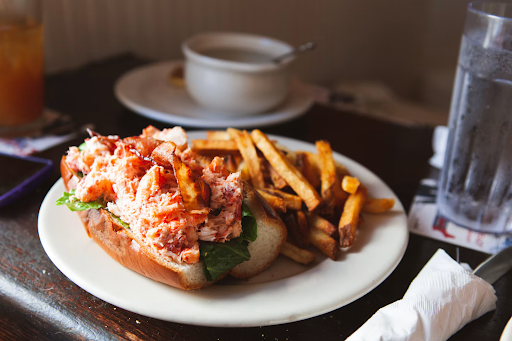
Premium meal kits solve a familiar weeknight problem: you want something more appealing than a basic ready meal, but you have little interest in chopping, measuring and washing several pans. The best options remove repetitive preparation while preserving the pleasure of assembling and serving dinner. They’re especially useful for busy evenings, small celebrations and thoughtful gifts, provided you choose a kit that matches your schedule, appetite and kitchen confidence.
Fatigue from Complicated Recipe Boxes
Traditional recipe boxes can look wonderfully convenient until you unpack a dozen ingredients and discover that dinner still requires 40 minutes of preparation. Small sachets must be opened, vegetables need chopping and every component seems to demand a separate pan. If you already cook regularly, the box can feel like another recipe to manage instead of a genuine shortcut.
Start by checking the active cooking time, not the headline time. A 30-minute recipe may still involve constant stirring, several utensils and a lengthy clean-up. Comparing different meal delivery options can help you distinguish between ingredient boxes and prepared meals that need little more than heating.
If your main goal is reducing weeknight meal prep, look for options that remove chopping, portioning and other repetitive tasks rather than simply delivering raw ingredients to your door. If you have a big family, planning ahead and preparing food in batches can also make busy evenings easier to manage.
Look for precise descriptions such as “fully cooked”, “pre-portioned” and “ready to assemble”. A kit containing cooked protein, prepared sauce and finished accompaniments will save more effort than one supplying raw ingredients and a recipe card.
Think about washing-up as well. One-pan meals and cold-assembly kits suit nights when convenience matters most. Keep the more involved boxes for weekends when cooking is part of the entertainment. Your weekday order should remove the tasks you find tiring, not simply deliver them in a cardboard box.
Curated Dining Done in Minutes
A premium kit earns its place through curation. Its components should taste as if they belong together, arrive in sensible quantities and require very few decisions from you. The experience might involve warming one ingredient, dressing another and arranging everything on plates. That small amount of participation keeps dinner feeling fresh without turning it into a project.
Speed is easier to judge when you separate preparation from heating. Some quick meal kits promise short total times, yet you may still spend most of that period at the hob. If your priority is a meal on the table within 15 minutes, check how much hands-on attention the kit needs.
The strongest premium options usually share a few practical qualities:
- Most ingredients arrive cooked, cleaned or portioned
- Instructions contain only a handful of clear steps
- Sauces and garnishes have an obvious purpose
- Portions are stated in useful terms, such as servings or roll counts
- Packaging explains refrigeration and use-by guidance clearly
Before ordering, picture the actual evening. If guests are arriving at seven, you should know when to unpack the food, what needs heating and which serving dishes you’ll use. A short plan prevents a convenient kit from creating a last-minute scramble. It also gives you time to add an easy side, such as a dressed green salad or crisp slaw, without duplicating what’s already included.
Fresh Lobster Roll Kit Delivery in Focus
A lobster roll works particularly well as a premium meal-kit format because the final preparation should remain simple. The filling needs careful chilling, while the rolls benefit from brief warming or toasting just before serving. Keeping those elements separate protects their texture and allows you to assemble each portion when everyone is ready to eat.
For a relaxed lunch, special dinner or seafood gift, a lobster roll kit delivery gives you a defined number of servings and brings the main components directly to the door. Check the delivery date before making plans and arrange for someone to receive the parcel promptly. Perishable seafood shouldn’t sit outside or in a warm hallway.
Once the kit arrives, read its storage instructions before unpacking everything else. Follow appropriate seafood storage and handling practices by keeping the seafood chilled and limiting the time it spends at room temperature. Use a clean work surface and separate utensils if you’re preparing other foods alongside it.
Serving can stay pleasantly unfussy. Warm the rolls as directed, add the chilled filling shortly before eating and put simple sides on the table. Lightly dressed leaves, sliced cucumber or plain crisps provide contrast without competing with the main attraction.
For six portions, set out all the plates first and assemble the rolls in one batch so nobody receives theirs long after everyone else.
Avoiding Common Kitchen Waste
Meal kits can reduce forgotten ingredients, but their packaging and portion sizes still deserve attention. The most useful kit is one that supplies the amount your household will actually eat. A generous six-serving pack may suit a family meal or gathering, while a couple dining alone should have a clear plan for any extra portions.
Read the contents list before adding side dishes to your shopping basket. It’s easy to buy salad, bread and condiments only to discover that similar accompaniments are already included. Use what you have at home first. A handful of leaves, half a cucumber and the final spoonful of dressing can become a perfectly good side without another supermarket trip.
Food waste also comes from poor timing. Efforts to reduce household food waste work better when meals are planned for specific days and perishable ingredients are used while they’re still fresh. Check your calendar before selecting a delivery day so an unexpected evening out doesn’t turn a premium order into a fridge-management problem.
Treat leftovers according to the supplier’s storage directions and use perishable components promptly. Label containers with the date if you remove food from its original packaging. If a kit includes rolls, herbs or garnishes that won’t keep as long as the main filling, serve those first.
Accurate portions matter too. Assemble one serving per person, then offer seconds once everyone has eaten. That simple pause keeps dressed or warmed food from being left on plates.
Packaging deserves a quick sort as soon as you unpack. Flatten clean cardboard, check local recycling instructions and dispose of temperature-control materials as directed. Don’t assume every insulated liner belongs in household recycling, since materials and local collection rules differ.
Savouring Restaurant Quality at Ease
Restaurant quality at home comes from good ingredients, correct temperature and thoughtful serving. Elaborate plating contributes less than many people imagine. A clean plate, a fresh side and food served at its intended temperature will create a more convincing result than decorative flourishes added while dinner cools.
Take chilled components out only when needed. Warm breads or cooked accompaniments close to serving time and use a timer if the instructions specify a narrow heating window. Premium seafood can lose its appealing texture when overheated, so follow the supplied directions instead of adding several extra minutes “to be safe”.
Table preparation is another useful shortcut. Put out napkins, glasses, serving spoons and condiments before you open the kit. If the meal is for a birthday or anniversary, use proper plates and a large platter, but keep the presentation relaxed. A few lemon wedges and a bowl of crisp salad often provide all the colour the table needs.
Cost also makes more sense when judged against the alternative. Compare a kit with restaurant prices, delivery fees, travel and the likelihood of ordering extras, not with the cheapest meal you could cook from scratch. At the same time, confirm what the price includes. Portions, shipping arrangements and accompaniments can affect the real cost per person.
Save premium kits for occasions when their strengths are most useful: an evening with limited preparation time, a gift for someone who enjoys seafood or a gathering where you’d prefer to stay with your guests. When the rolls are warm, the filling is properly chilled and the first plates reach the table together, convenience feels like part of the occasion rather than a compromise.
