
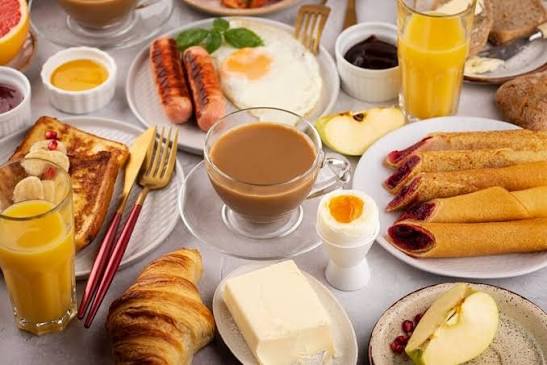
Breakfast habits differ considerably across Europe. In one household, the first meal of the day may consist of porridge and fruit. In another, it might be bread with cheese, a pastry with coffee or cereal served with yogurt.
Packaged breakfast cereal has become widely available throughout Europe, but it has not replaced regional traditions. Breakfast options now include cornflakes, muesli, and granola, as well as bread, dairy products, and warm cereal dishes.
Exploring these differences helps explain why supermarket cereal aisles vary between countries. Ingredients, sweetness, texture and serving methods all reflect local preferences.
How Breakfast Cereals Became Popular in Europe
Many traditional European breakfasts were based on foods that were already available in the home. Bread, porridge, milk, cheese and preserved fruit were practical, economical choices.
Packaged breakfast cereals became more common as food production and retail distribution developed. They offered consistency, quick preparation and a long shelf life. This made them attractive to urban households with less time in the morning.
Advertising also played a major role. Cereals were often presented as convenient family products, and brightly packaged varieties became particularly visible to children.
Over time, the category expanded. Supermarkets began offering high-fibre cereals, chocolate-flavoured products, granola, organic options and mixtures designed for specific dietary preferences.
Common Types of Breakfast Cereal
Today, cereal consumption differs by country and household. Some people eat it every morning, while others use it as an occasional alternative to bread, pastries or cooked breakfasts.
Flaked Cereals
Flaked cereals are made by cooking grains, shaping them into thin pieces and toasting them. Cornflakes are the best-known example, but wheat, rice and multigrain versions are also available.
Their simple texture makes them suitable for milk, yogurt and fruit. Some products contain little added flavouring, while others are coated with sugar, honey or chocolate.
Flakes absorb liquid relatively quickly. People who prefer a crisp texture often add milk immediately before eating rather than preparing the bowl in advance.
Muesli
Muesli usually combines rolled oats or other grains with ingredients such as nuts, seeds and dried fruit. Unlike granola, it is not necessarily baked with oil and sweetener.
Traditional mixtures can be relatively simple. Commercial versions may include chocolate, coconut, apple, raisins, berries or additional sweeteners.
Muesli can be served immediately with milk or yogurt, but some people soak it to produce a softer texture. Overnight preparation allows oats and dried fruit to absorb liquid.
The nutritional value depends on the recipe. A mixture rich in whole grains, nuts and seeds may provide fibre and varied textures, while a heavily sweetened product can be closer to a dessert cereal.
Granola
Granola is normally baked, which gives it a toasted flavour and crisp clusters. Oats are often combined with oil, syrup or honey before baking.
Nuts, seeds, dried fruit, chocolate and spices can be added. The combination makes granola enjoyable, but it can also be energy-dense and high in sugar.
Serving size deserves attention. A small bowl may contain more energy than a much larger portion of simple flakes because the ingredients are concentrated.
Granola is commonly served with yogurt and fresh fruit. It can also be used as a topping rather than the main component of breakfast.
Puffed and Shaped Cereals
Rice, wheat, corn and other grains can be puffed or formed into shapes. These cereals are light and often remain crisp for a short period after milk is added.
Products aimed at children may contain chocolate, honey or colourful coatings. Packaging and shapes are often designed to make breakfast more entertaining.
Adult-oriented varieties may emphasise whole grains, fibre or reduced sugar. However, front-of-package claims should be checked against the full nutrition information.
Hot Cereals and Porridge
Hot grain breakfasts remain important in several European regions. Oats are widely used for porridge, but semolina, rice, buckwheat and other grains also appear in traditional dishes.
Porridge can be prepared with water, milk or a combination. Fruit, nuts, seeds, honey and spices may be added according to taste.
Hot cereals require more preparation than ready-to-eat products, but instant or quick-cooking versions reduce the time needed.
The texture can be adjusted by changing the amount of liquid and cooking time. Some people prefer thick porridge, while others enjoy a smoother, more fluid consistency.
Breakfast Cereals in the UK and Ireland
The UK and Ireland have a strong breakfast cereal culture. Cornflakes, wheat biscuits, bran cereals, porridge and sweetened varieties are widely available.
Porridge has longstanding regional associations, particularly in Scotland, although it is now eaten throughout both countries. Modern versions may include fruit, flavoured powders or convenient individual portions.
Cold cereal is typically served with milk, but yogurt and plant-based drinks are common alternatives. Bananas, berries and dried fruit are frequently added.
Traditional cooked breakfasts remain culturally important, but they are not necessarily eaten every day. Cereal, toast and porridge provide faster options for ordinary mornings.
Germany, Switzerland and Austria
Muesli has a particularly strong connection with Switzerland, where an early version was developed as a mixture of oats, fruit and dairy ingredients.
Across German-speaking Europe, supermarket selections often include grain-rich mixtures with nuts, seeds and dried fruit. Spelt, rye and other grains may appear alongside oats and wheat.
Breakfast itself can also include bread rolls, cheese, cold meats, preserves and boiled eggs. Cereal therefore forms part of a broader selection rather than serving as the only typical breakfast.
Natural yogurt and milk are common accompaniments. Some consumers soak muesli before eating it, producing a softer and more blended texture.
France and Belgium
Breakfast in France is traditionally associated with bread, butter, jam, pastries and a hot drink. Cereal has nevertheless become common, especially among children and busy households.
French supermarket aisles often contain chocolate-flavoured cereals, filled shapes, cornflakes, granola and muesli. Products may be served with cold milk or yogurt.
In Belgium, cereal exists alongside bread, pastries and spreads. Chocolate flavours have an obvious presence, reflecting the popularity of chocolate in other food categories.
Weekend breakfasts may differ from weekday routines. A family that eats cereal during a busy week may choose fresh pastries or a longer shared breakfast on Sunday.
Southern European Breakfast Traditions
In Spain, Italy, Portugal and parts of the Mediterranean, breakfast has traditionally centred more on bread, biscuits, pastries and coffee than on cereal.
Italian breakfasts may include coffee with a sweet pastry or dry biscuits. Spanish households may choose toast with olive oil and tomato, while Portuguese breakfasts often combine bread or pastries with coffee.
Packaged cereals are now widely sold in all these countries, particularly for children. Granola, muesli and high-fibre products have also grown in visibility among adults.
Local habits still influence how often cereal is eaten. It may be one of several convenient options rather than a defining part of breakfast culture.
Northern European Preferences
Northern European breakfasts often place emphasis on whole grains, rye, oats and dairy foods. Porridge is common in several countries, especially during colder months.
Cereal may be served with yogurt, cultured milk or other fermented dairy products. Berries, seeds and nuts provide flavour and texture.
Some markets offer a broad range of products with lower sweetness and a stronger grain flavour. However, chocolate and children’s cereals remain available as well.
The idea that all northern European breakfasts are automatically healthier would be misleading. Preferences vary, and supermarket ranges include both simple and highly sweetened products.
Ingredients Commonly Found in European Cereals
Wheat, oats, corn and rice are the most familiar cereal grains. Rye, barley, spelt and buckwheat may also appear in regional or whole-grain mixtures.
Grains
Whole grains retain more parts of the original grain than refined versions and generally provide more fibre. A package may use brown colours or natural imagery without containing a high proportion of whole grains, so the ingredient list is more reliable than the design.
The first ingredient normally represents the largest proportion of the product. If whole oats or whole wheat appear first, they form a significant part of the recipe.
Nuts and Seeds
Almonds, hazelnuts and walnuts are common in muesli and granola. Seeds may include sunflower, pumpkin, flax, sesame and chia.
These ingredients add texture, flavour and fat. They can make a breakfast more satisfying, but they also increase its energy density.
Nuts and seeds are important allergens for some people. Cross-contamination warnings should be taken seriously, especially when cereals are produced in facilities handling several ingredients.
Dried Fruit
Raisins, dates, apricots, apples, bananas and berries can provide sweetness without creating the same texture as added sugar.
Dried fruit contains concentrated natural sugars because most of its water has been removed. It can still contribute useful flavour and fibre, but quantity matters.
Some dried fruit is sweetened or coated to prevent sticking. Reading the ingredients reveals whether sugar or oil has been added.
Chocolate, Honey and Other Sweeteners
Chocolate pieces, cocoa powder, honey, syrups and sugar are common in flavoured cereals. They can make whole grains more appealing, particularly to children.
A cereal described as containing honey may still use other sweeteners. Similarly, a chocolate cereal may contain relatively little cocoa but a significant amount of sugar.
There is nothing inherently wrong with choosing a sweet cereal occasionally. The important point is to understand what the product contains rather than relying on its name.
How to Read a Cereal Label
Begin with the ingredient list. Ingredients are generally shown in descending order by weight, so the first few provide the clearest picture of the product.
Next, compare nutrition information per 100 grams. This creates a consistent basis for comparing cereals with different suggested portion sizes.
Sugar, fibre and salt are useful values to examine. A product containing dried fruit may show natural sugars as well as added sweeteners, so the ingredient list provides necessary context.
Serving sizes can be surprisingly small. Measuring a normal bowl once can help people understand how their usual portion compares with the amount shown on the package.
Allergen information is essential for anyone avoiding gluten, milk, nuts, peanuts or soy. Oats may require special certification for people who need a strictly gluten-free diet.
Front-of-package phrases such as “source of fibre” or “made with whole grains” can be accurate while describing only one aspect of the product. The full label provides a more balanced view.
How European Cereals Are Served
Milk remains the most common addition to cold cereal, but it is far from the only option. Warm milk may be preferred during winter or used with cereals that soften gradually.
Yogurt creates a thicker breakfast and works particularly well with granola and muesli. Natural yogurt balances sweeter products, while flavoured yogurt increases overall sweetness.
Kefir and other cultured dairy drinks are used in several European countries. Plant-based drinks made from oats, soy, almonds or rice offer alternatives for people who avoid milk.
Fresh fruit adds moisture and flavour. Bananas provide sweetness, berries offer acidity and apples create a crisp texture.
Cereal can also be used as a topping. A small amount of granola over yogurt and fruit provides crunch without making it the main part of the meal.
Finding Regional European Cereals in the UK
Mainstream British supermarkets carry many internationally recognised cereal brands, but regional flavours and smaller manufacturers can be difficult to find.
Independent grocery stores may stock products associated with the communities they serve. Their ranges can include grain mixtures, children’s cereals and flavours that are uncommon in standard UK aisles.
Specialist online retailers provide another option. Searching for Cereals from Europe can help shoppers discover products by country, brand or cereal type. It is still important to compare ingredients and package sizes because similar-looking products can have very different levels of sugar, fibre and whole grains.
EuropaFoodXB supplies European groceries to customers in the UK and includes breakfast products from several countries within its wider range. This can make it easier to order cereal alongside other pantry essentials rather than sourcing every item separately. As with any online grocery purchase, customers should check current availability, delivery terms and allergen information before ordering.
Choosing a Cereal According to Personal Needs
There is no single cereal that is right for everyone. Preferences, allergies, energy requirements and the rest of the diet all matter.
Someone seeking a more filling breakfast may prefer a product with whole grains, fibre, nuts or seeds. A person who wants a light breakfast may choose simple flakes with fruit and yogurt.
Lower-sugar products can work well for everyday meals, especially when sweetness is added naturally with fresh fruit. Sweeter cereal can be enjoyed in a smaller portion or combined with an unsweetened product.
People with allergies need to look beyond the main ingredients. Manufacturing warnings may indicate possible contact with nuts, milk or gluten.
Taste and texture are also important. A cereal that appears nutritionally suitable but is not enjoyable is unlikely to become a lasting habit.
Creating a More Balanced Cereal Breakfast
Cereal does not need to provide every nutrient on its own. It can form one part of a breakfast that includes dairy or an alternative, fruit and a drink.
Adding yogurt, milk, nuts or seeds can provide protein and fat, which may make the meal more satisfying. Fresh fruit contributes flavour and variety.
Portion size should reflect appetite and activity rather than only the number printed on the box. However, energy-dense granola and heavily sweetened cereals are easy to overpour.
Variety can prevent breakfast from becoming repetitive. Rotating between porridge, muesli, eggs, bread and cereal introduces different ingredients and textures throughout the week.
Conclusion
European breakfast cereals reflect a mixture of regional tradition and modern convenience. Flakes, muesli, granola, puffed grains and hot cereals are now available across the continent, but they are served within very different breakfast cultures.
Understanding ingredients is more useful than judging a cereal by its packaging. Grain type, added sugar, fibre, nuts, dried fruit and serving size all influence what the product provides.
Exploring regional cereals can introduce new flavours and textures, whether that means Swiss-style muesli, British wheat biscuits or a chocolate cereal popular in France or Belgium. The best choice is one that suits the individual’s dietary needs, preferences and normal morning routine.
Visit More : widemagazine.co.uk
