
Ask a group of dog and cat owners where they turned for help the last time their pet stopped eating, and the answers vary wildly. Some swear by the family run shop on the corner, others by the large store with a grooming salon at the back. Both can give good advice, but they tend to be good at different things.
What independents do well
The strength of a small pet shop is continuity. The owner is often behind the counter every day, knows regular customers by name and remembers that your spaniel has a sensitive stomach. That memory makes advice personal in a way a large store struggles to match.
Independents are also flexible. Many will order a specific food on request, hold a bag back for a regular or split a delivery. Their range is smaller, however, so the advice is naturally limited to what they stock. If your pet needs something unusual, an independent may have to order it in and wait for the next delivery from a supplier.
Where larger stores have the edge
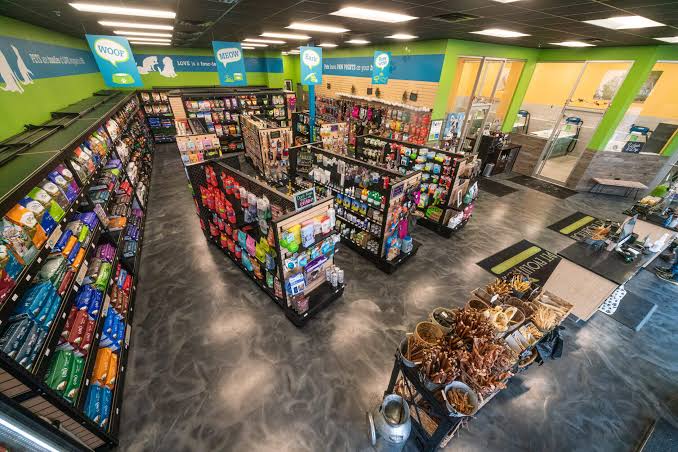
Big pet stores win on range and services. With thousands of products on the shelves, they can usually suggest several alternatives when a pet reacts badly to a food. Many also have groomers on site and staff who have been trained by the brands they sell.
In South Africa, chains like Petworld pair six large stores with online ordering, so someone searching for a petshop near me can choose between visiting a branch and having food delivered within a few days. That mix gives owners range and a person to talk to at the same time. It is the strongest argument for the bigger format.
The weak spots of each model
Large stores can suffer from staff turnover. The person who gave you excellent advice in March may have left by June, and newer staff sometimes fall back on recommending whichever brand is on promotion that week.
Independents face a different problem. With fewer staff and a narrower range, advice can be shaped by habit or by the margin on particular products, and specialist needs such as prescription diets may be out of reach.
Advice that fits the way you live
Good advice takes your circumstances into account. An owner in a high rise flat needs different suggestions on exercise, litter and noise from someone with a garden, and guides to pet friendly condo living show how much the home itself shapes daily care. The best staff, in any size of shop, ask about your home and routine before recommending anything.
Online advice has its place too
Many owners now ask questions by chat or email before they ever set foot in a shop. Retailers that sell online often answer product questions quickly, and customer reviews give a sense of how other dogs and cats have got on with a particular food or toy.
The limit is that nobody online can see your pet. A description of a dull coat or a loose stool only goes so far, and a short visit to a shop or a vet often settles in minutes what a long message thread cannot.
How to test the advice you are given
Whichever shop you use, a few questions reveal how good the advice really is. Ask why a particular food suits your pet, what the alternatives are and what you should watch for after switching. A knowledgeable person will explain their reasoning and mention when a vet should be involved.
Be cautious of anyone who claims one product fixes everything, or who brushes aside your vet’s advice. Good pet shop staff support veterinary care rather than replace it.
.
