
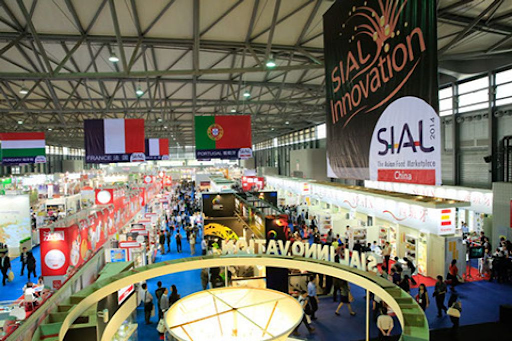
When businesses consider expanding internationally, trade exhibitions are often among the first opportunities they explore. Yet despite the growing popularity of global exhibitions, many companies still hesitate to participate because of assumptions that may not reflect reality. Some believe exhibitions are only useful for large corporations. Others think digital marketing has replaced the need for face to face networking. There are even businesses that assume attending a china trade show requires a massive budget with no guaranteed return. The truth is often very different.
As China continues to strengthen its position in global commerce, exhibitions have become valuable meeting points for manufacturers, distributors, importers, retailers, and entrepreneurs from around the world. Events such as SIAL China demonstrate how trade fairs can support businesses of all sizes in building connections and discovering new opportunities. Let’s take a closer look at the common misconceptions about China trade shows and the practical insights industry professionals have gained from their experiences.
Misconception #1: Trade Shows Are Only for Large Companies
This is perhaps one of the most widespread beliefs in the business community. Many small and medium-sized enterprises assume they cannot compete with established brands that have larger marketing budgets and more resources. However, trade shows can help create a more equal opportunity for businesses. Visitors attending a china fair are typically searching for solutions, products, and suppliers that meet specific needs. Buyers are often more interested in product quality, innovation, pricing, and reliability than company size alone.
In fact, smaller businesses sometimes benefit from being more flexible, responsive, and specialized than larger competitors. A well-prepared exhibitor with a strong value proposition can attract meaningful attention regardless of company size.
Misconception #2: Digital Marketing Has Replaced the Need for Trade Shows
Digital marketing has undoubtedly transformed modern business. Companies can reach customers through websites, social media platforms, webinars, and online advertising. While these tools are valuable, they do not replace every aspect of face-to-face interaction. Business relationships often develop faster when people meet in person.
At a china trade show, attendees can examine products directly, discuss opportunities in real time, and establish trust through personal conversations. These experiences are difficult to replicate entirely through virtual communication. Many successful companies use digital marketing and trade exhibitions together rather than choosing one over the other.
Misconception #3: Trade Shows Are Only About Immediate Sales
Some businesses evaluate exhibitions solely based on immediate revenue. If they do not sign contracts during the event itself, they may view participation as unsuccessful. This approach overlooks the broader value of networking. Many exhibition relationships develop gradually. A conversation today may lead to a partnership months later. A buyer who is not ready to purchase immediately may return after evaluating options internally. Industry professionals often view exhibitions as long-term investments rather than one-time sales opportunities. Events like SIAL China frequently serve as starting points for business relationships that continue well beyond the exhibition dates.
Misconception #4: International Trade Shows Are Too Costly
Participating in an exhibition requires planning and financial investment. Travel, accommodation, booth preparation, and promotional materials all contribute to overall costs. However, comparing these expenses to traditional international business development often tells a different story. Without a major china fair, businesses may need to travel to multiple countries, arrange individual meetings, and spend months building contacts.
Exhibitions bring thousands of industry professionals together in one location. This concentration of opportunities can make participation surprisingly cost-effective when viewed from a long-term perspective. The key is approaching the event with clear objectives and a well-defined strategy.
Misconception #5: Every Visitor Is a Potential Customer
This assumption can create unrealistic expectations. Not everyone walking through an exhibition hall will become a buyer. Some attendees are researching trends. Others are seeking suppliers, learning about new technologies, or exploring future opportunities. Successful exhibitors understand the importance of identifying qualified prospects rather than focusing solely on visitor volume. A smaller number of meaningful conversations often produces better results than hundreds of brief interactions with people who have no purchasing authority.
Misconception #6: Preparation Is Less Important Than Presence
Some businesses believe that simply showing up guarantees success. Experienced exhibitors know otherwise. Preparation often determines the quality of results. Companies that establish goals before attending a china trade show typically achieve better outcomes. This includes identifying target audiences, scheduling meetings, preparing marketing materials, and training team members. The exhibition itself may only last a few days, but the preparation process often begins months in advance.
What Industry Experts Consistently Recommend
When experienced professionals discuss successful exhibition participation, several themes appear repeatedly. First, they emphasize relationship building over immediate sales. Second, they encourage businesses to spend time understanding market trends and competitor activity. Third, they recommend following up promptly with contacts after the event concludes. Finally, they stress the importance of viewing exhibitions as part of a broader growth strategy rather than an isolated marketing activity. These principles apply whether a company is attending its first china fair or participating in international exhibitions regularly.
Why China Continues to Attract Global Businesses
China remains one of the most influential commercial markets in the world. Its extensive manufacturing capabilities, growing consumer demand, and expanding international trade networks continue attracting companies from various industries. A major china trade show provides a practical opportunity to engage with this dynamic environment directly. Rather than relying entirely on secondary research, businesses can experience market trends, buyer interests, and industry developments firsthand. For many organizations, this direct exposure becomes one of the most valuable aspects of participation.
Final Thoughts
Trade exhibitions are often misunderstood by businesses that have never participated in them. Assumptions about cost, effectiveness, and accessibility can prevent companies from exploring valuable opportunities. The reality is that a well-organized china trade show offers far more than product displays. It creates an environment where businesses can build relationships, gain market insights, discover emerging trends, and establish a stronger international presence.
Events such as SIAL China continue to attract global participants because they provide opportunities that extend beyond immediate transactions. For companies seeking sustainable growth, trade exhibitions remain one of the most effective tools for connecting with the people and markets that matter most.
FAQs
What is a china trade show?
A china trade show is a business exhibition held in China where companies showcase products, meet buyers, explore partnerships, and learn about industry trends.
How is a china fair different from online networking?
A china fair allows participants to engage in face-to-face discussions, evaluate products directly, and build trust more effectively than through digital communication alone.
Are trade shows suitable for small businesses?
Yes. Many small and medium-sized businesses use trade shows to increase visibility, meet qualified buyers, and enter new markets.
Why do companies attend SIAL China?
Businesses attend SIAL China to connect with industry professionals, discover market trends, showcase products, and explore opportunities within China and international markets.
How can exhibitors maximize their return on investment?
Proper preparation, targeted networking, clear objectives, and consistent follow-up after the event are among the most effective ways to maximize exhibition results.
Visit More : widemagazine.co.uk
