
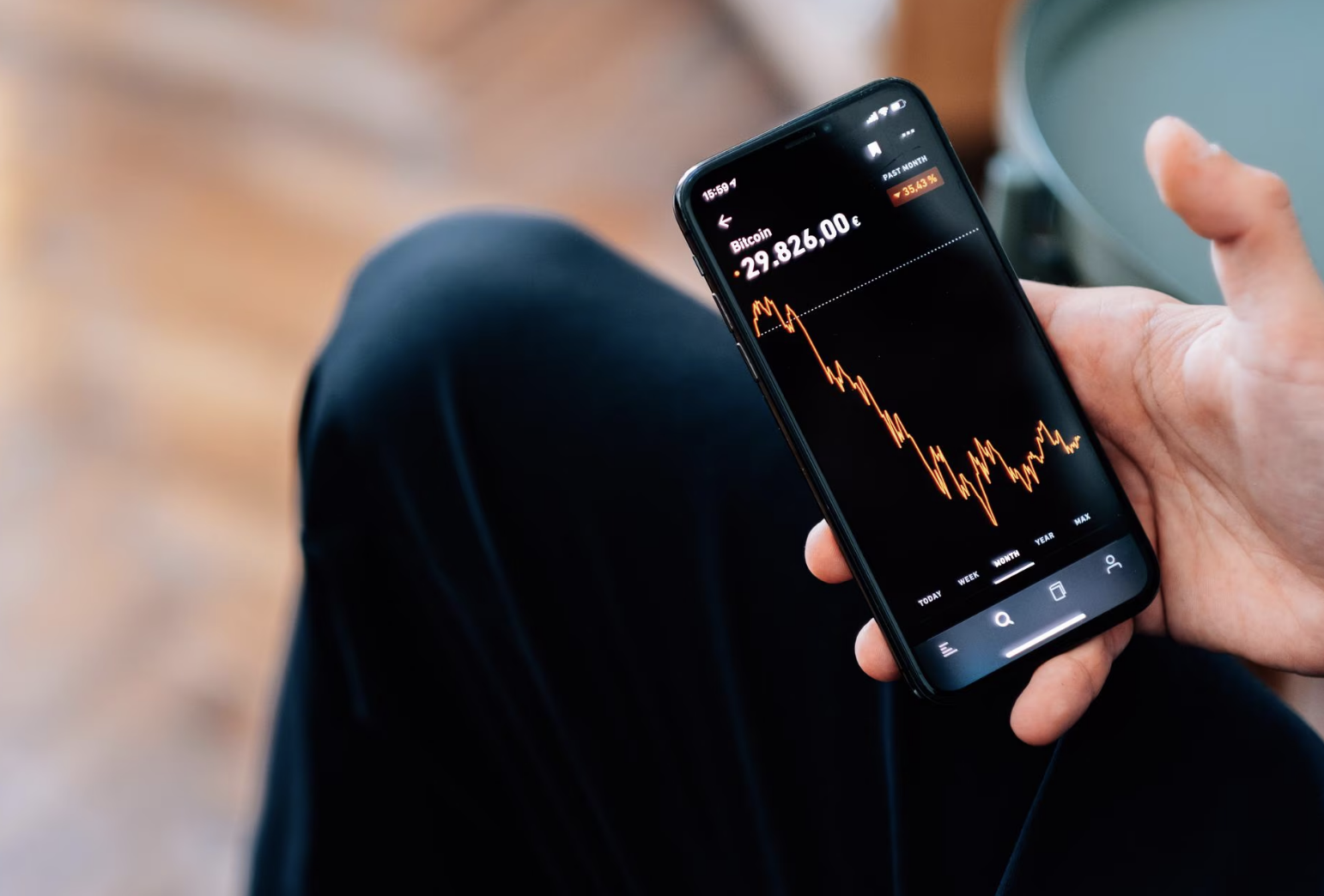
Forex trading has become much more accessible in recent years. Traders no longer need to sit in front of a desktop computer all day to monitor currency markets. With modern mobile applications, it is possible to follow price movements, analyze charts, manage positions, and stay informed about market developments from almost anywhere.
However, having access to a trading app does not automatically make someone a successful trader. The quality of the platform, available features, fees, security measures, and overall user experience can make a significant difference. For this reason, anyone searching for the best forex trading app should look beyond attractive interfaces and promotional offers.
What Makes a Good Forex Trading App?
A good forex trading app should provide the essential tools needed to monitor and manage trades efficiently. While individual preferences differ, several features are particularly important.
First, the application should be reliable and easy to navigate. Traders may need to open or close a position quickly, so complicated menus or slow performance can become frustrating.
Charting tools are another important feature. Traders often use charts to study price movements, identify trends, and determine possible entry or exit points. An app with multiple timeframes, technical indicators, and customizable charts can be useful for both beginners and experienced traders.
Real-time market information is equally important. Currency prices can change rapidly, and delayed information may affect trading decisions.
Consider Regulation and Security
Security should be one of the first things traders investigate when choosing a forex application. Before depositing money, users should determine which company operates the platform and whether it is regulated by a recognized financial authority in their jurisdiction.
Regulation does not eliminate investment risk, but regulated brokers generally have to follow specific rules regarding their operations and client accounts.
Traders should also look for basic account-security features. Secure login methods, encryption, two-factor authentication, and appropriate account verification procedures can help protect personal and financial information.
It is always worth checking the broker’s official website and regulatory information rather than relying solely on advertisements or online reviews.
Compare Trading Costs
Trading costs can have a significant impact on long-term results. Different brokers may use different pricing structures, including spreads, commissions, overnight financing charges, and other account fees.
The spread represents the difference between the buying and selling price of a currency pair. Although a small spread may appear insignificant, frequent traders can accumulate considerable costs over time.
Instead of choosing an app simply because it advertises low spreads, traders should examine the complete fee structure. They should also check whether the advertised pricing applies to all currency pairs or only selected markets.
Understanding these costs before opening an account can help prevent unpleasant surprises later.
Look at Available Currency Pairs
The number and variety of currency pairs available through an app can also matter. Major pairs such as EUR/USD, GBP/USD, and USD/JPY are commonly offered by forex brokers.
Some traders, however, may want access to minor or exotic currency pairs. Availability can vary significantly between brokers, so it is important to check whether the markets a trader actually wants to access are supported.
More choices are not necessarily better. A trader who primarily focuses on a few major currency pairs may have little use for hundreds of additional instruments.
Mobile Experience Matters
One of the biggest advantages of a forex trading app is mobility. Traders can monitor markets without being tied to a desktop computer.
A well-designed mobile application should make essential information easy to find. Account balances, open positions, charts, order buttons, and market prices should be clearly displayed.
Notifications can also be useful. Price alerts and market updates may help traders stay aware of important developments without constantly checking the application.
However, mobile trading can encourage impulsive decisions. Having immediate access to the market does not mean every price movement requires a trade.
Demo Accounts Can Be Helpful
For beginners, a demo account can be an excellent way to learn how a trading application works. Demo accounts typically allow users to practice with simulated funds instead of risking real money.
This gives new traders an opportunity to learn how to place orders, set stop-loss levels, analyze charts, and manage positions.
A demo account can also help users determine whether the platform feels comfortable before they deposit their own funds. Although simulated trading does not perfectly reproduce the emotions associated with real losses and gains, it provides useful practical experience.
Educational and Research Tools
The best platform for one trader may not be the best platform for another. Beginners may benefit from an app that offers educational content and market research alongside its trading tools.
Useful educational resources can include trading guides, market analysis, economic calendars, webinars, tutorials, and explanations of financial terminology.
An economic calendar is particularly useful for forex traders because currency markets can react strongly to economic announcements. Interest-rate decisions, inflation data, employment reports, and central-bank statements can all influence currency prices.
Still, traders should learn to evaluate information independently rather than treating broker-provided analysis as guaranteed predictions.
Understand Leverage Before Using It
Leverage is a major feature of many forex trading accounts, but it also introduces additional risk. It allows traders to control a position larger than the amount of money deposited in their account.
While leverage can increase potential returns, it can also magnify losses. A relatively small market movement can therefore have a substantial effect on a highly leveraged position.
Beginners should make sure they understand leverage, margin requirements, and liquidation risks before using it. Risk management should remain a priority regardless of which trading app is selected.
Read Reviews Carefully
Online reviews can be useful when comparing forex platforms, but traders should evaluate them critically. A review may highlight a broker’s advantages while another may focus on different concerns.
Rather than relying on one article or rating, it is better to compare several independent sources and verify important information directly with the broker.
Traders should pay particular attention to recent information because trading conditions, fees, regulations, and platform features can change over time.
Choose an App That Matches Your Trading Style
There is no universal application that is perfect for every trader. Someone who makes occasional trades may prioritize simplicity and ease of use, while an active trader may require advanced charting, technical indicators, fast order execution, and detailed market information.
Before selecting an application, traders should consider their own goals and experience level. A platform with dozens of advanced features may be unnecessary for a beginner, while a basic application may feel restrictive to an experienced trader.
Final Thoughts
Choosing the right forex trading application is an important step for anyone interested in currency markets. Factors such as regulation, security, trading costs, currency pairs, charting tools, mobile performance, educational resources, and risk-management features should all be considered before opening an account.
The best forex trading app is ultimately the one that fits a trader’s individual needs rather than the one with the most impressive advertisement. Careful research, responsible risk management, and a clear understanding of how forex markets work are far more important than simply choosing a popular application.
Forex trading carries a substantial risk of loss, particularly when leverage is involved. Traders should therefore educate themselves, start cautiously, and never risk money they cannot afford to lose.
Visit More : widemagazine.co.uk
