
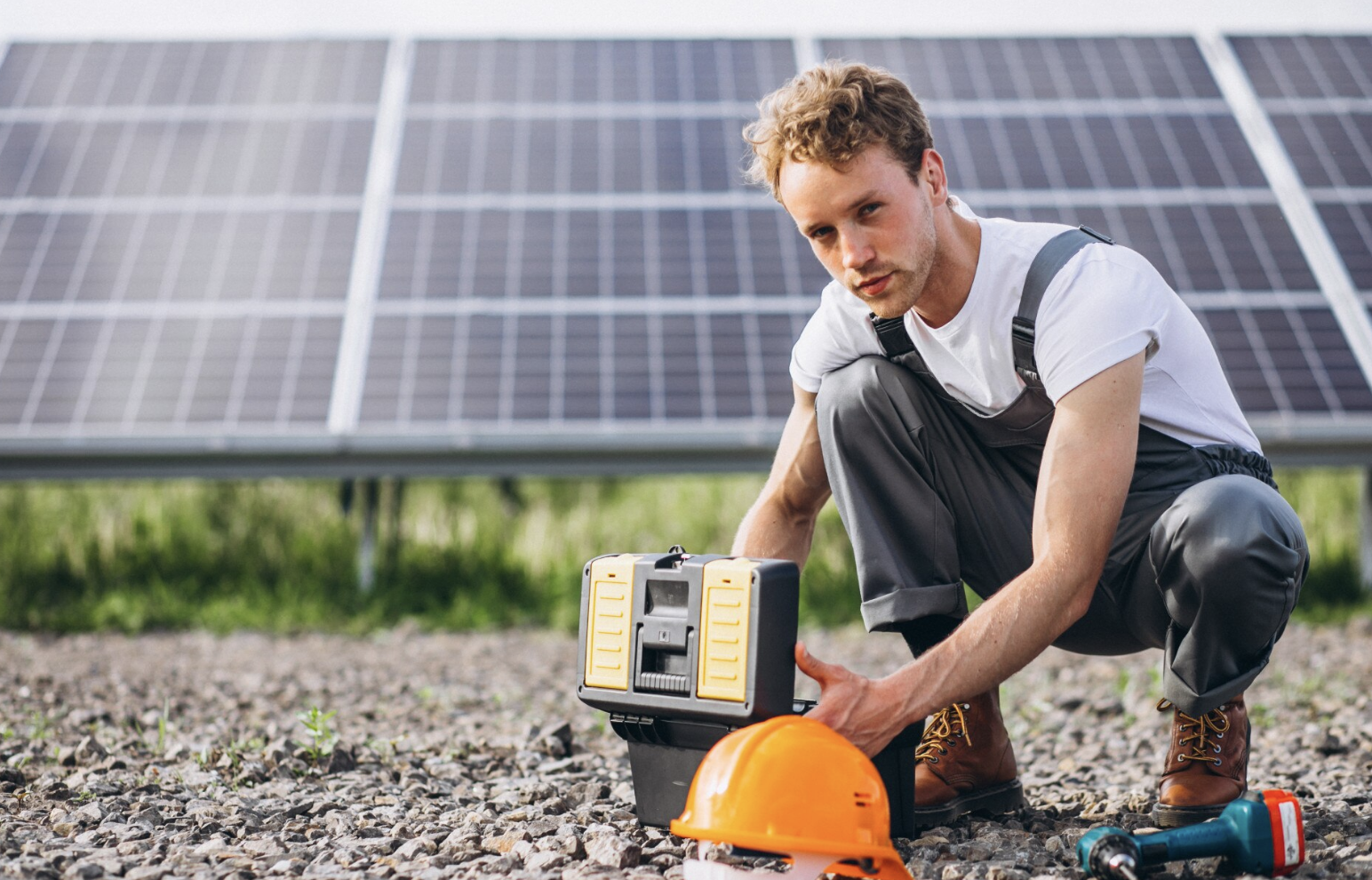
Solar energy is no longer just a niche technology; it has become a practical option for homeowners who want to reduce electricity costs. The use of roof panels in residential areas is quite common now, and over the past decade there have been significant improvements in both the price and efficiency of the technology. Here you will learn how to choose a reliable contractor. Regional specifics for homeowners, and legal matters regarding solar energy conversion.
Finding a Reliable Solar PV Panel Installation Company
Obviously, the quality of the final result greatly depends on the quality of the installation process. Choosing the right contractor is the most crucial phase of the process. The first step that any responsible solar panel installation service must take is to assess your house. In which specialists estimate the slope and orientation of your roof, any shading of the roof caused by neighboring buildings or trees. And your household energy consumption to find the best system for you.
It is vital to be very selective about the qualifications of the crew, because. Apart from professional mounting of solar panels. The installation process also involves inverters, wiring, and energy meters. Which can significantly affect system performance and even pose safety risks in the future. When selecting a company, one must consider several factors:
- Having relevant certificates and experience.
- Warranties for both the equipment and the process.
- Completed similar projects in the portfolio.
- An honest cost estimate without any hidden charges.
- Maintenance after completing the project.
Many people find that having extensive experience in renewable energy is an important factor. Rather than just selling panels. For example, the Smart Energy Group experts provide comprehensive support to their customers in switching to solar energy, from the initial consultation to the final connection to the power grid.
It is also worth paying attention to how the contractor handles communication throughout the project. A reliable company explains each stage of the work in plain language beforehand. Warns of potential challenges prior to signing the contract. And designates a specific point of contact for any questions that arise during installation. This is particularly important if the project requires approval from local authorities or is prolonged by equipment delivery times.
It is also useful to clarify how the company handles unforeseen issues—for example, what happens if a hidden roofing defect is discovered during installation or if additional structural reinforcement is required. A responsible contractor will not gloss over such matters but will instead propose a clear plan of action and transparently adjust the cost estimate if necessary.
Local Considerations for Solar Panel Installation Bath
In each region, there are specific climatic, architectural, and legislative considerations that need to be taken into account when planning this type of construction. When installing panels in Bath, there are certain factors to consider: the city has many historic buildings. And a great many are situated in architectural conservation areas. This means an additional permission will be required for the equipment’s installation.
The terrain and construction density play a significant role in selecting the optimal position for the equipment. Since surrounding structures may cast shadows on the panels at some sites; experts may suggest alternative methods or optimizers. That is why the solar panel installation bath cannot be done according to a universal pattern.
Another thing to take into account is the weather conditions in this area of the UK. Though cloud cover may vary in amount, the new panels will produce energy effectively in both diffused light and direct sunlight; therefore, it is quite reasonable to opt for them.
National Standards and Incentives for Solar Panel Installation UK
There is a standard process for implementing the national transition to solar energy. Solar panel installation UK must comply with relevant equipment standards and installer requirements, which ensures the quality of the service for the owner, and homeowners may later receive payments for excess electricity supplied to the grid.
State and regional support programs vary over time, and it is recommended to find out the specific conditions of the program applicable to your region. Some regions provide feed-in tariffs for energy production, and others have subsidy programs to partially cover equipment expenses. There are also mandatory electrical safety requirements for solar PV panel installation in the United Kingdom, including the requirement to automatically shut down the system when the network fails.
Before embarking on a project, one can benefit from the following checklist of prerequisites:
- The confirmation of the technical feasibility of the roof in terms of carrying capacity of the equipment.
- The confirmation of the credentials of the crew.
- The acquisition of project approval from the respective authorities, if needed.
- The availability of any regional compensations or grants.
- The procedures of grid connection.
Following all of these will prevent the owner from nasty surprises after completing the solar panel installation and ensure legal and safe operation throughout the system’s lifespan.
A transition to solar power is not simply an installation process but a holistic plan that requires consideration and diligence at every step—from selecting a contractor to accounting for local architecture and regulations. When done right, the system will pay for itself in several years and provide free energy for the house for several more decades, regardless of constantly changing electricity prices.
Visit More : widemagazine.co.uk
