
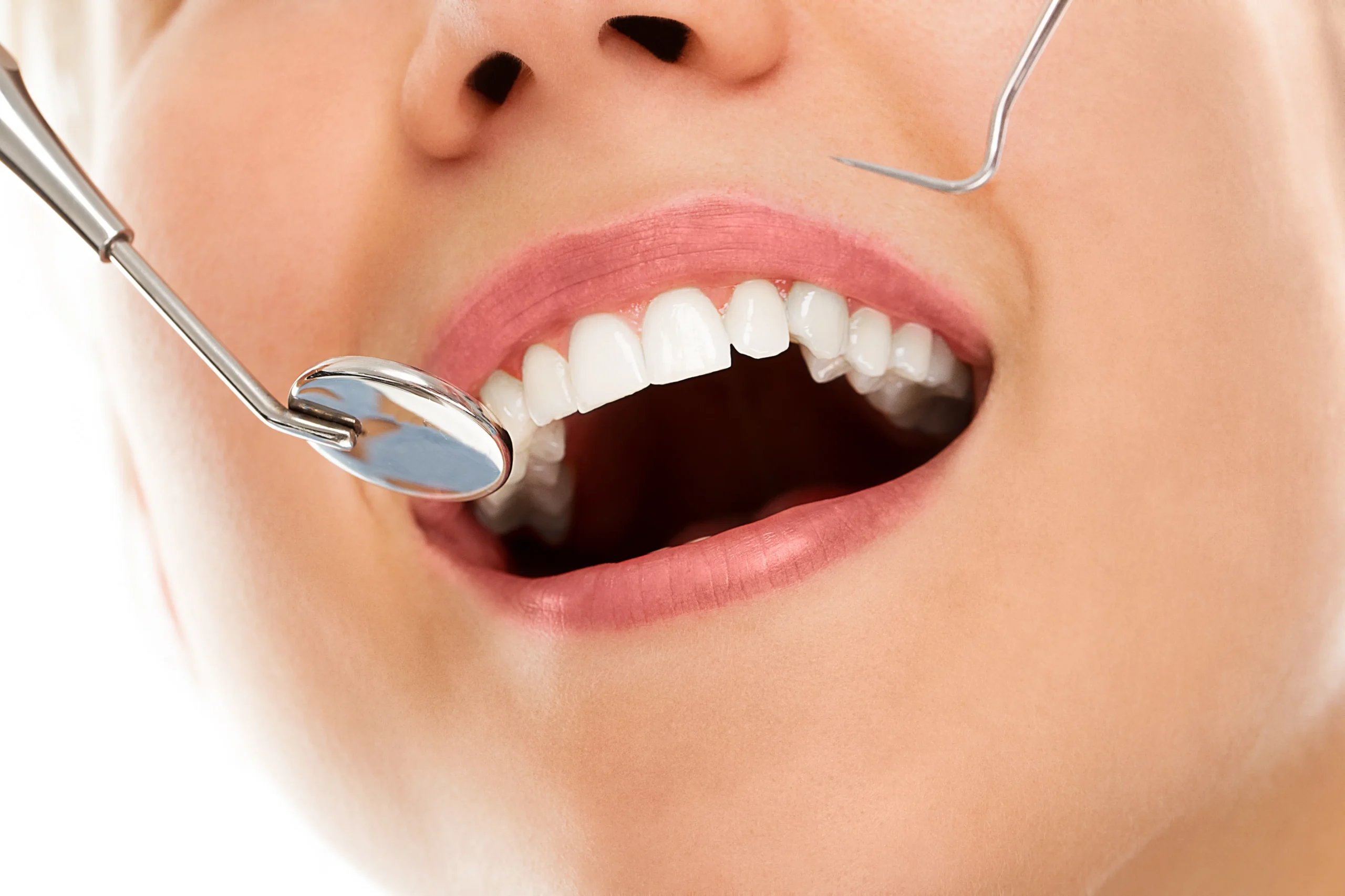
A confident smile can change everything. It affects how people feel about themselves, how they interact with others, and even how they carry themselves every day. Yet many people across Newcastle and the wider North East region live with small dental imperfections that hold them back, a chipped tooth here, a tiny gap there, or some stubborn discoloration that just will not shift with regular brushing.
The good news is that getting a noticeably better smile does not always require lengthy treatment plans, complex procedures, or removing healthy tooth structure. For many patients, composite bonding Newcastle is the answer they have been looking for.
This guide walks through everything a patient needs to know, from how the treatment works, to who it suits, to how to get the very best long-term results from it.
What Is Composite Bonding and Why Are So Many People in Newcastle Choosing It?
Composite bonding is a cosmetic dental treatment where a tooth-coloured resin material is carefully applied to the surface of the teeth. The resin is then shaped by hand, sculpted to perfection, and hardened using a special curing light. The restoration creates a natural appearance that blends smoothly with the surrounding teeth.
What makes composite bonding Newcastle so popular right now is the combination of speed, simplicity, and quality. In most cases, the entire procedure is completed in a single visit. There is no drilling of healthy tooth structure, no need for impressions sent to an off-site laboratory, and very often no local anaesthetic required either.
For patients who have been putting off dealing with a chipped tooth or a gap they feel self-conscious about, the idea of walking in and walking out the same day with a transformed smile is incredibly appealing. Denmark Street Dental Practice, based in Gateshead and serving patients from Newcastle, Sunderland, Washington, and across Tyne and Wear, has seen a significant rise in interest for this treatment from people throughout the region.
Who Is a Good Candidate for Composite Bonding?
Not every patient is automatically the right fit for composite bonding, and understanding who the treatment suits best is an important part of getting good results. A qualified dental professional will always carry out a full smile assessment before recommending any cosmetic treatment.
Generally speaking, composite bonding Newcastle works well for people who:
- Have small chips or cracks on one or more teeth
- Want to close minor gaps between teeth, sometimes called diastema
- Have mild discolouration that does not respond to whitening treatments
- Feel their teeth look too short or slightly irregular in shape
- Have overall healthy teeth and gums but want subtle aesthetic improvements
- Prefer a treatment that keeps their natural tooth structure completely intact
It is worth noting that composite bonding is best suited for minor cosmetic changes rather than significant structural repairs or severe misalignment. For more complex cases, a dentist may recommend alternative treatments such as orthodontics or porcelain veneers, which offer different advantages for different situations. A proper consultation will always clarify the best path forward.
The Step-by-Step Process at Denmark Street Dental Practice
Understanding what actually happens during a composite bonding appointment helps patients feel more relaxed and better prepared. Here is a clear breakdown of how the process works.
1. Initial Consultation and Smile Assessment
The journey always begins with a conversation. During the consultation, the dentist takes the time to understand what concerns the patient most about their smile. They examine the teeth and gums, assess overall oral health, and evaluate the symmetry and balance of the smile.
Denmark Street Dental Practice offers free consultations for patients interested in composite bonding Newcastle, which gives people the opportunity to ask questions, discuss expectations, and understand exactly what is involved before committing to anything.
2. Shade Selection
One of the most important parts of achieving a natural-looking result is matching the composite resin to the patient’s existing teeth. A detailed shade guide is used to find the closest possible match to the surrounding enamel. This ensures the bonded area is virtually undetectable once completed.
Many dentists recommend having teeth whitened before undergoing composite bonding, since the resin is shade-matched to the patient’s current tooth colour. Whitening the teeth after bonding is applied will lighten the natural teeth but not the composite material, which could create an uneven tone.
3. Preparing the Tooth Surface
Unlike veneers or crowns, composite bonding requires very little preparation. The tooth surface is cleaned and a gentle conditioning liquid is applied, which slightly roughens the enamel to help the resin bond securely. This process does not damage or permanently alter the tooth.
4. Applying and Sculpting the Resin
The composite material has a putty-like consistency when first applied, which makes it highly workable. The dentist applies it in layers, carefully building up shape and volume where needed. This is where the artistic side of cosmetic dentistry comes in, sculpting the resin to add length, close a gap, or recreate the natural contour of a chipped tooth.
5. Curing and Hardening
Once the dentist is satisfied with the shape, a special curing light, usually a blue LED or halogen beam, is directed at the material. This hardens the resin almost instantly, locking the shape in place.
6. Polishing and Finishing
The final stage is all about refinement. The hardened resin is trimmed, shaped further if needed, and then polished until it reflects light in exactly the same way as the surrounding natural teeth. The finished result should feel smooth to the tongue and look completely natural.
How to Get the Best Possible Results
Getting a great outcome from composite bonding Newcastle is about more than just the procedure itself. The following steps can make a significant difference to how long the results last and how good they look over time.
Choose an Experienced Dental Team
The quality of composite bonding is heavily influenced by the skill of the person performing it. Since the resin is shaped entirely by hand, this is a treatment that rewards experience and a careful eye for aesthetics.
Denmark Street Dental Practice has been serving patients in the North East for approximately 75 years and has built a trusted reputation across the region. The clinical team includes six dentists, one of whom holds specialist registration, along with professionals such as Andrew, who qualified with Merit in Clinical Dentistry from Newcastle Dental School in 2007. The depth of experience within the team means patients are in safe, skilled hands.
Discuss Your Goals Clearly During the Consultation
The more clearly a patient communicates what they want, the better the outcome will be. Bringing along photos of smiles that appeal to them, or pointing out specific teeth that concern them, helps the dentist understand exactly what the patient is hoping to achieve. A good cosmetic dentist will also offer honest guidance on what is realistic based on the individual’s dental anatomy.
Consider Teeth Whitening First
As mentioned earlier, because composite resin does not respond to whitening treatments, it makes sense to whiten the natural teeth before bonding begins. This way, the resin can be shade-matched to the new, brighter baseline, resulting in a more consistently bright and uniform smile overall.
Follow the Aftercare Advice
Composite bonding is durable and designed to last, but it does require some care to keep it looking its best. Patients at Denmark Street Dental Practice receive clear aftercare guidance following their treatment. Some general recommendations include:
- Avoid biting hard objects such as pens, fingernails, or hard foods like crusty bread directly with the bonded teeth
- Be mindful of staining foods and drinks such as coffee, red wine, and curry, especially in the first 48 hours after treatment when the material is most susceptible to absorbing colour
- Maintain a consistent oral hygiene routine including brushing twice a day, flossing regularly, and using a non-abrasive toothpaste
- Attend regular dental check-ups so the dentist can monitor the condition of the bonding and polish it as needed to maintain its appearance
- Wear a mouthguard at night if the patient is prone to grinding their teeth, as this can wear down or chip the resin over time
Keep Up with Regular Hygiene Appointments
Professional cleaning appointments are an important part of keeping bonded teeth looking great. Hygienists can remove surface staining that builds up around the resin and help maintain the overall health of the teeth and gums. Denmark Street Dental Practice provides professional hygiene services as part of its comprehensive offering, making it easy for patients to manage their ongoing oral health in one place.
How Long Does Composite Bonding Last?
With proper care, composite bonding typically lasts between three to eight years before it may need to be refreshed or replaced. This can vary depending on factors such as the patient’s bite, their daily habits, and how well they follow aftercare advice.
One of the practical advantages of composite bonding over some other cosmetic treatments is that if the resin chips or wears down in a localised area, it can usually be repaired in a single appointment without replacing the entire restoration. This makes it a very manageable long-term option for many patients.
Why Patients Across Newcastle and Gateshead Trust Denmark Street Dental Practice
Denmark Street Dental Practice is located at 2 Denmark Street, Gateshead, NE8 1NQ, and is easily accessible for patients travelling from Newcastle and surrounding areas across Tyne and Wear. The practice is a well-established referral centre for over 200 other dental practices across the North of England, which speaks to the confidence the wider dental community has in their expertise.
The practice is registered with the Care Quality Commission (CQC), ensuring it meets stringent standards for safety, quality, and patient care. Flexible membership plans and finance options are available to help make private cosmetic dentistry more accessible to patients across the region.
For those who feel anxious about dental visits, the team is specifically trained to support nervous patients and create a calm, welcoming environment. Detailed consultations, free patient guides, and a transparent approach to treatment planning mean that patients always know what to expect before, during, and after their procedure.
Is Composite Bonding the Right Choice?
For patients across Newcastle and the North East who want to improve the appearance of their smile without invasive treatment, composite bonding Newcastle represents a genuinely compelling option. It is fast, it preserves the natural teeth, it delivers immediate visible results, and with the right aftercare, it can maintain a beautiful appearance for many years.
The key to getting the best results lies in choosing the right dental practice, being clear about expectations, preparing properly, and looking after the results once the treatment is done. All of these things come together naturally when working with an experienced, patient-focused team like the one at Denmark Street Dental Practice.
Ready to Find Out If Composite Bonding Is Right for You?
The best first step is always a proper consultation with a qualified dental professional. Denmark Street Dental Practice offers free consultations for patients interested in composite bonding Newcastle and other cosmetic treatments. The team will assess the teeth, discuss the patient’s goals, and create an honest, personalised recommendation.
To book a consultation or find out more, patients can contact Denmark Street Dental Practice directly by phone at 0191 477 2438 or visit denmarkstreetdentalpractice.co.uk to explore the full range of treatments available.
A better smile might be just one appointment away.
Visit More : widemagazine.co.uk
