
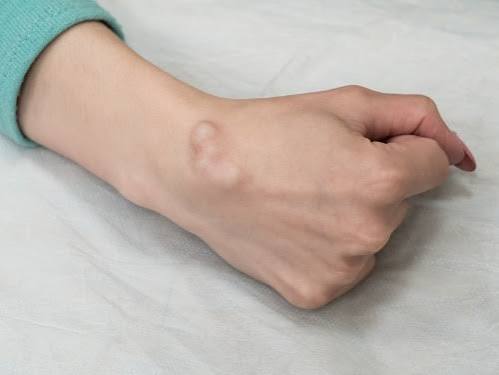
Draining a skin cyst can reduce swelling and release trapped material, but it does not always remove the structure that produced the contents. The lump may therefore return after weeks, months, or longer.
Recurrence does not automatically mean that something dangerous is happening. However, a returning lump should be reassessed to confirm the diagnosis and determine whether drainage, excision, or another approach is appropriate.
The Purpose and Limitations of Cyst Drainage
Drainage is often used when a cyst is inflamed, infected, swollen, or uncomfortable. The immediate goal is usually pressure relief, not necessarily permanent removal of the cyst.
Drainage may be considered when:
- The cyst is swollen and causing pressure
- Infection or inflammation makes excision difficult
- The area has become painful or tender
- The cyst has started discharging
- Immediate symptom relief is needed
- The skin is too inflamed for planned removal
- A temporary procedure is clinically appropriate
- Later excision may be discussed after healing
Many common skin cysts have a lining, sometimes called a capsule or sac. This lining produces keratin or other material that gradually collects inside the lump.
Opening the cyst can empty much of that material. Unless the lining is also removed, however, it may continue producing contents after the opening closes.
The Main Reasons a Drained Cyst Can Return
Recurrence is mainly connected to what remains beneath the skin after drainage. Inflammation, rupture, diagnosis, and individual tendency can also affect what happens next.
1. The Cyst Lining Remains
Drainage releases the cyst contents but may leave its lining under the skin. The remaining sac can refill as it continues producing keratin.
2. The Opening Closes Quickly
A small drainage opening can seal while the cyst lining remains active. Refilling may happen gradually, so the lump can return after initial relief.
3. Inflammation Complicates Removal
An inflamed cyst can stick to surrounding tissue and become harder to remove completely. Treatment may be staged until the inflammation settles.
4. The Cyst Ruptures Internally
A cyst may rupture beneath the skin and trigger inflammation. Fragments of the lining can remain, allowing another lump to form in the same area.
5. The Lump Has Another Cause
Not every recurring lump is the same cyst. A fresh assessment confirms the diagnosis and checks whether imaging, referral, or tissue analysis is needed.
6. A New Cyst Forms Nearby
Some people develop more than one epidermoid or pilar cyst. A nearby new cyst can resemble recurrence, especially on the scalp, face, neck, or back.
7. Drainage Was the Intended First Step
Drainage may control a painful or infected cyst before later excision. The skin cyst removal by Rejuvence Clinic may involve staged care.
The Differences Between Drainage and Complete Excision
Drainage and excision serve different purposes. One primarily empties the cyst, while the other aims to remove both its contents and the lining responsible for refilling it.
Complete excision is not automatically suitable during active infection or severe inflammation. A clinician may first control the immediate problem and plan definitive removal after the tissues settle.
| Treatment feature | Drainage | Complete excision |
| Main purpose | Releases contents and pressure | Removes the contents and cyst lining |
| Incision | Usually smaller | Sized for safe cyst removal |
| Recurrence | More likely if the sac remains | Lower when the sac is fully removed |
| During infection | May be used for urgent relief | Often delayed until inflammation settles |
| Wound closure | May be left open or dressed | Often closed with stitches |
| Scarring | A scar can still develop | A surgical scar should be expected |
Before choosing another procedure, discuss:
- Whether the diagnosis has been confirmed
- Whether the cyst is currently infected
- Why the earlier drainage was performed
- Whether the lining probably remains
- The likely scar after complete removal
- The risk of bleeding, infection, or recurrence
- Whether tissue analysis may be advised
- The expected wound care and recovery
Complete excision can reduce the risk of the same cyst returning, but it cannot guarantee that no future lump will develop. Another cyst may form elsewhere.
The procedure also leaves a scar. The likely benefit should therefore be balanced against the cyst’s size, location, symptoms, appearance, and recurrence history.
The Steps That Can Reduce Further Recurrence Problems
Management should begin with confirming that the returning lump is an epidermoid or pilar cyst. A painless lump should not be repeatedly drained without understanding why it has returned.
If treatment is chosen, the plan should account for inflammation, the complete cyst lining, scar risk, wound care, and appropriate follow-up.
1. Clinical Assessment Comes First
A returning lump should be examined before another procedure. Diagnosis guides treatment, particularly when the lump grows quickly, feels fixed, or looks unusual.
2. Active Infection Is Managed
A red, hot, painful, or draining cyst may need infection treatment first. Immediate priorities differ from the plan for complete removal after healing.
3. The Procedure Matches the Goal
Drainage may relieve pressure, while excision aims to remove the lining. The correct procedure depends on symptoms, inflammation, location, and diagnosis.
4. The Sac Is Removed When Suitable
Complete excision aims to remove the cyst contents and lining together. Sac removal lowers recurrence risk, but it cannot prevent a new cyst elsewhere.
5. Scarring Is Considered
Excision trades a lump for a surgical scar. Scar planning matters on the face, chest, shoulders, or in people prone to raised or keloid scars.
6. Aftercare Protects the Wound
Dressings, cleaning, activity limits, and stitch care support healing. Good aftercare reduces complications, although it cannot correct the lining left behind.
7. Recurrence Is Monitored
Record when the lump returns and whether it grows, hurts, or discharges. Documented changes help review and may influence further treatment decisions.
Conclusion
A drained skin cyst can return when its lining remains under the skin and continues producing keratin. Drainage may relieve any pressure or infection but it is not definitive treatment. Complete excision of the sac can lower recurrence risk although no procedure can prevent every future cyst. Seek medical review if the lump returns, grows quickly, becomes painful, feels hot, or starts discharging.
