
Most people who develop a persistent headache reach for paracetamol. If the headaches keep coming, they see their GP. What very few people consider because it simply does not occur to them is that the source of the pain might be sitting in their jaw.
Temporomandibular joint dysfunction, bruxism, and chronic jaw clenching are collectively responsible for a significant number of tension headaches and facial pain cases that go undiagnosed or mismanaged for years. And increasingly, botox administered by a qualified dental professional is emerging in Whitefield as one of the more effective ways to manage them.
The Connection Between Jaw and Head
The jaw is one of the most powerful muscle systems in the body. The masseter muscle, the large muscle that runs along the side of the jaw, can generate considerable force during clenching or grinding. When this happens habitually, particularly during sleep, the consequences extend well beyond the teeth.
Chronic clenching creates sustained tension through the jaw, temples, and neck. This tension is a direct cause of the type of dull, persistent headache that many people experience on waking or by mid-afternoon. For people who grind their teeth at night, this is often a daily experience.
The dental signs of bruxism worn enamel, cracked teeth, jaw tenderness give clinicians a route to diagnosis that does not always come through a GP. Dentists, trained to examine both the teeth and the surrounding structures, are often the first to identify that a patient’s headaches have a muscular, jaw-related origin.
What Therapeutic Botox Does in This Context
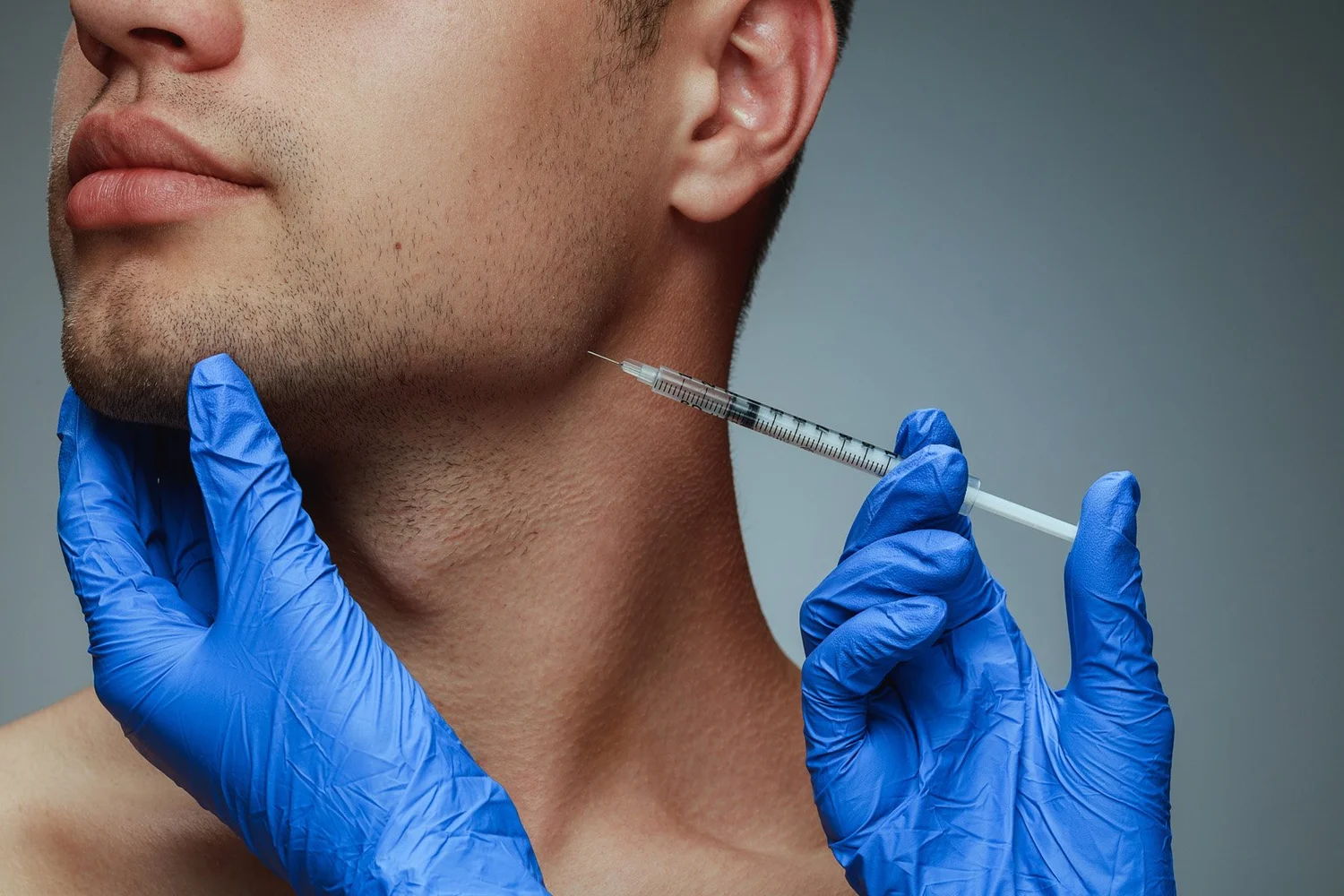
Botox injected into the masseter muscle reduces its activity by partially limiting the nerve signals that cause it to contract. This does not prevent normal jaw function eating, speaking, and swallowing are unaffected. What it does do is significantly reduce the force of habitual clenching and grinding.
For patients with bruxism or jaw-related tension, this has a knock-on effect on headache frequency and severity. With less sustained muscular tension through the jaw and temples, the pattern of daily or near-daily headaches that many patients have simply accepted as normal often reduces substantially.
Botox for this purpose is administered in a dental or medical setting by a qualified professional who understands jaw anatomy. At Whitefield Dental Practice, therapeutic botox for jaw-related pain is offered as part of a clinical assessment that includes examination of the teeth, bite, and jaw joint ensuring that the treatment is appropriate and targeted.
This Is Not the Same as Cosmetic Botox
It is worth being clear about this distinction, because patients often assume botox is exclusively cosmetic. Therapeutic botox has a well-established evidence base for several medical applications, including the treatment of chronic migraine. Its use in managing jaw-related pain and bruxism sits within this medical framework.
The injection sites, the dosage, and the clinical reasoning are different from a cosmetic botox appointment. Patients seeking treatment for jaw pain are not undergoing an aesthetic procedure; they are receiving a medically considered intervention for a functional problem.
This is also why the setting matters. Botox for jaw pain should be administered by someone who can assess the jaw clinically, not simply someone who offers cosmetic injectables.
Who Might Benefit
The pattern of symptoms worth paying attention to includes: headaches on waking or by mid-morning, tenderness around the jaw or temples, a sense of tightness or fatigue in the jaw muscles, worn or sensitive teeth, and a history of tooth grinding reported by a partner. Any combination of these, particularly in the absence of another identified cause for the headaches, is worth raising with a dental professional.
Not every case of jaw tension requires botox. Occlusal splints custom-made dental devices worn at night can be effective for some patients, and these are often considered alongside or before botox as part of a management plan. The right approach depends on the individual, the severity of symptoms, and the clinical findings.
For patients in Whitefield who have tried a splint without sufficient relief, or whose symptoms are significantly affecting their quality of life, botox often produces a more immediate and marked reduction in pain.
What the Treatment Involves
An appointment for therapeutic jaw botox involves a brief consultation to review symptoms and clinical findings, followed by a small number of injections into the masseter and, where relevant, the temporalis muscle. The procedure takes around 15 to 20 minutes and is generally well tolerated.
Results take a few days to develop and typically last three to four months. Many patients choose to repeat treatment on that cycle; others find that over time, the habitual clenching behaviour reduces and treatment intervals can be extended.
Final Thoughts
Persistent headaches with no clear cause are worth investigating from a dental angle, particularly if there are any signs of jaw tension or tooth grinding. Therapeutic botox is not a first-line treatment for every case, but for the right patient it can produce a significant, lasting improvement in quality of life without medication and without invasive intervention.
Visit More : widemagazine.co.uk
