
Introduction
Conflict is an unavoidable part of human interaction. Whether disputes arise in business partnerships, family relationships, workplaces, or commercial transactions, finding an effective way to resolve disagreements is essential. Traditionally, many conflicts have been settled through litigation, a process that can be costly, time-consuming, and emotionally draining. However, mediation has emerged as a highly effective alternative that enables parties to resolve disputes collaboratively.
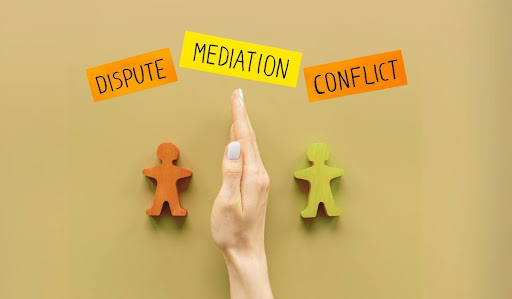
Mediation is a structured process in which a neutral third party facilitates communication between disputing individuals or organizations. Rather than imposing a decision, the mediator helps participants explore solutions that meet their interests and needs. As legal systems and businesses continue to recognize the value of alternative dispute resolution methods, mediation has become an increasingly popular choice across various sectors.
Understanding the Role of Mediation
Professional mediation services have gained significant recognition due to their ability to help individuals and organizations settle disputes efficiently. Experienced London mediators and other mediation professionals play a crucial role in facilitating constructive dialogue, encouraging mutual understanding, and guiding parties toward practical agreements that satisfy everyone involved.
Unlike judges or arbitrators, mediators do not determine who is right or wrong. Their primary objective is to create a productive environment where participants can openly discuss concerns and identify mutually beneficial solutions. This collaborative approach often results in stronger relationships and more sustainable outcomes.
How the Mediation Process Works
The mediation process generally begins when both parties agree to participate voluntarily. A mediator is selected based on their expertise, neutrality, and ability to manage the specific type of dispute involved.
The process typically includes several stages:
Initial Consultation
The mediator gathers information about the dispute and explains the mediation procedure. Ground rules are established to ensure respectful communication and confidentiality.
Joint Discussions
Both parties have an opportunity to present their perspectives. The mediator facilitates the discussion, ensuring that each participant is heard and understood.
Private Meetings
In many cases, mediators conduct separate meetings with each party. These confidential sessions allow individuals to discuss concerns, priorities, and possible settlement options more openly.
Negotiation and Agreement
The mediator helps identify areas of common ground and encourages participants to explore practical solutions. Once an agreement is reached, it is typically documented in writing.
This structured process promotes cooperation and often leads to resolutions that would be difficult to achieve through adversarial legal proceedings.
Benefits of Choosing Mediation
Mediation offers numerous advantages that make it an attractive option for resolving disputes.
Cost Efficiency
Legal proceedings can involve substantial expenses, including court fees, attorney costs, and administrative charges. Mediation is generally more affordable, making it accessible to a wider range of individuals and organizations.
Time Savings
Court cases may take months or even years to conclude. Mediation sessions can often be scheduled quickly, and many disputes are resolved within a relatively short period.
Confidentiality
Unlike court proceedings, which are often public, mediation is usually conducted in private. This confidentiality protects sensitive information and helps preserve reputations.
Greater Control
Participants maintain control over the outcome rather than leaving the final decision to a judge or jury. This flexibility allows for creative solutions tailored to the unique circumstances of the dispute.
Relationship Preservation
Because mediation focuses on collaboration rather than confrontation, it can help preserve personal and professional relationships. This benefit is particularly valuable in family, workplace, and business disputes.
Common Areas Where Mediation Is Used
Mediation is highly versatile and can be applied to a wide range of conflicts.
Family Disputes
Family mediation is commonly used to address divorce, child custody arrangements, parenting plans, and inheritance disagreements. It helps families communicate more effectively during emotionally challenging situations.
Workplace Conflicts
Organizations often use mediation to resolve disputes involving employees, managers, workplace policies, discrimination claims, and communication breakdowns. Early intervention can prevent conflicts from escalating and improve workplace morale.
Commercial and Business Disputes
Business partners, suppliers, customers, and contractors frequently rely on mediation to settle contractual disagreements, partnership conflicts, and financial disputes. Maintaining business relationships is often a key priority in these cases.
Community and Neighborhood Issues
Disputes between neighbors regarding property boundaries, noise complaints, or shared resources can often be resolved successfully through mediation, avoiding unnecessary legal action.
Skills That Make an Effective Mediator
Successful mediators possess a unique combination of interpersonal, analytical, and communication skills.
Active Listening
Mediators must carefully listen to each participant to fully understand their concerns and interests.
Neutrality
Maintaining impartiality is essential. Participants must trust that the mediator is not favoring one side over the other.
Problem-Solving Ability
Mediators help identify practical solutions that address the underlying causes of conflict rather than focusing solely on positions or demands.
Emotional Intelligence
Disputes often involve strong emotions. Skilled mediators can manage tension, encourage respectful dialogue, and foster a constructive atmosphere.
Communication Expertise
Clear communication helps participants understand different perspectives and move toward consensus more effectively.
The Future of Mediation
As society becomes increasingly interconnected, the need for efficient dispute resolution methods continues to grow. Technological advancements have expanded access to mediation through online platforms, allowing participants to engage in virtual sessions regardless of location.
Businesses, governments, and legal institutions are increasingly integrating mediation into their conflict resolution frameworks. Educational programs and professional training opportunities are also expanding, helping to ensure a steady supply of qualified mediators capable of addressing diverse types of disputes.
The growing emphasis on collaboration, efficiency, and relationship preservation suggests that mediation will continue to play an important role in resolving conflicts across multiple sectors.
Conclusion
Mediation has transformed the way individuals and organizations approach conflict resolution. By providing a structured, confidential, and collaborative environment, it enables parties to reach mutually beneficial agreements while avoiding many of the drawbacks associated with litigation. The expertise of professionals such as London mediators demonstrates how skilled facilitation can turn challenging disputes into opportunities for constructive dialogue and lasting solutions. As awareness of mediation’s benefits continues to increase, it is likely to remain one of the most valuable tools for resolving conflicts in the modern world.
Visit More : widemagazine.co.uk
