
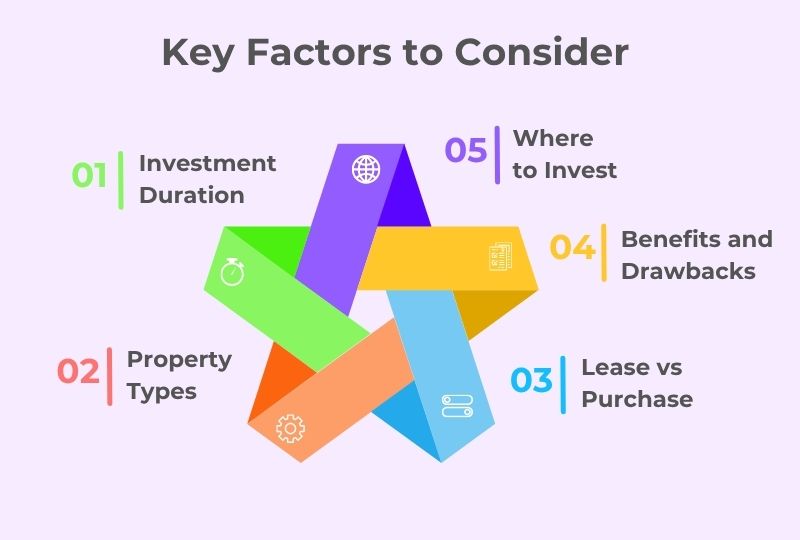
Investing in commercial property is a major business decision that can influence long-term growth, operational efficiency, and financial stability. Whether you are purchasing office space, retail premises, industrial units, or mixed-use buildings, choosing the right property requires careful planning and market research. Unlike residential property, commercial investments are closely linked to business performance, making it essential to evaluate every aspect before committing to a purchase.
Many investors begin searching for Bolton commercial property because the town offers an attractive combination of competitive property prices, excellent transport connections, ongoing regeneration projects, and a diverse local economy. However, successful commercial investment depends on much more than finding an available property. Businesses should understand local market conditions, future development plans, legal obligations, and operational requirements before making any investment decisions.
Bolton has become one of the North West’s most appealing commercial locations for both established businesses and growing companies. Its strategic position between Manchester, Preston, Liverpool, and surrounding business centres makes it attractive for logistics companies, retailers, professional services, manufacturers, and investors looking for long-term opportunities. As infrastructure improvements continue across the region, demand for quality commercial premises is expected to remain strong.
Understanding Your Business Objectives
Before viewing commercial properties, businesses should clearly define why they are investing. Every organisation has different requirements, and the ideal property for one company may be unsuitable for another.
Some businesses require customer-facing retail premises located in busy shopping areas, while others benefit more from industrial units with easy motorway access. Professional service firms may prioritise modern office accommodation close to transport links, whereas manufacturing businesses often need larger facilities with warehouse space and loading areas.
Understanding your operational requirements helps narrow the search and prevents investment in premises that may limit future business growth.
Long-term planning is equally important. Businesses should consider whether the property will continue to meet their needs over the next five to ten years. Purchasing premises that support future expansion can eliminate the cost and disruption of relocating as the company grows.
Evaluating the Local Commercial Market
Market research is essential before purchasing any commercial property. Buyers should examine current demand, vacancy rates, rental values, and recent property sales within the local area.
Understanding market trends helps investors identify opportunities while avoiding locations where demand may be weakening. Reviewing nearby developments, planned infrastructure projects, and new business investments can also provide valuable insight into future property values.
Bolton continues to attract investment through regeneration initiatives, business development programmes, and improved transport infrastructure. These factors have strengthened confidence among commercial investors while supporting long-term demand across multiple sectors.
Comparing several properties within different parts of Bolton allows buyers to understand pricing differences and identify locations that offer the best balance between affordability and future growth potential.
Choosing the Right Location
Location is one of the most influential factors affecting the success of any commercial property investment. A well-positioned property can improve customer access, staff recruitment, logistics efficiency, and future resale value.
Retail businesses often benefit from high pedestrian footfall and nearby parking facilities. Industrial companies may require convenient motorway access and space for heavy goods vehicles. Office-based organisations usually prioritise public transport, surrounding amenities, and a professional business environment.
Businesses should also evaluate neighbouring developments, local competition, and the area’s long-term economic outlook before making a final decision.
Accessibility plays a particularly important role for companies that receive regular customer visits or depend on frequent deliveries. Convenient transport links improve operational efficiency while enhancing the overall customer experience.
Financial Planning Beyond the Purchase Price
Purchasing commercial property involves significantly more than paying the agreed sale price. Businesses should prepare comprehensive budgets that include all associated acquisition and operating costs.
These may include legal fees, survey costs, valuation reports, mortgage arrangement fees, insurance, maintenance, business rates, utility connections, renovation work, and ongoing building management expenses.
Understanding the full financial commitment helps businesses avoid unexpected costs after completion while improving long-term financial planning.
Commercial lenders may also require larger deposits than residential mortgages, making early financial preparation particularly important. Obtaining finance approval before beginning property viewings can strengthen negotiating positions and simplify the purchasing process.
Key Factors to Assess Before Buying Commercial Property
- Business objectives and long-term operational requirements.
- Property location and transport accessibility.
- Local market demand and future development plans.
- Total purchase and operating costs.
- Building condition and maintenance requirements.
- Potential for future business expansion.
Carefully assessing these factors before making an offer reduces investment risk while improving the likelihood of selecting a property that supports long-term business success.
Property Condition and Future Maintenance
The physical condition of a commercial property directly affects both operational efficiency and future expenditure. Buyers should commission professional building surveys to identify structural issues, roof condition, electrical systems, heating, plumbing, drainage, and overall maintenance requirements.
Older commercial buildings may require substantial refurbishment before becoming suitable for business operations. While renovation projects can sometimes create value, businesses should carefully evaluate associated costs before proceeding.
Energy efficiency has also become increasingly important. Buildings with modern insulation, efficient lighting, and lower energy consumption help reduce operating expenses while supporting environmental objectives.
Investing in a property that requires minimal immediate maintenance allows businesses to focus on growth rather than unexpected repair costs.
Understanding Legal and Regulatory Requirements
Before completing the purchase of any commercial property, businesses should understand the legal responsibilities associated with ownership. Unlike residential property, commercial premises are often subject to additional regulations depending on the type of business operating from the site.
One of the first areas to review is the property’s planning permission and permitted use class. A building that was previously used as a retail unit may not automatically be suitable for office space, light industrial operations, or food-related businesses. If a change of use is required, obtaining the necessary approvals before purchase can prevent expensive delays later.
Environmental regulations should also be considered. Businesses should investigate whether the property has any contamination issues, flood risks, or environmental restrictions that could affect future operations. These checks are particularly important for industrial sites or properties with a long commercial history.
Working with an experienced commercial solicitor ensures contracts, ownership documents, lease agreements, planning permissions, and legal searches are reviewed carefully before completion. Professional legal advice protects buyers from unexpected liabilities and gives greater confidence throughout the purchasing process.
Considering Accessibility and Infrastructure
A commercial property’s accessibility has a direct impact on day-to-day business operations. Customers, employees, suppliers, and delivery companies all benefit from premises that are easy to reach.
Businesses should evaluate road connections, motorway access, public transport availability, parking facilities, and loading areas before making an investment. Companies involved in logistics, manufacturing, or wholesale distribution may require generous vehicle access and sufficient space for loading and unloading operations.
For office-based businesses, nearby amenities such as cafés, banks, public transport, and local services can improve employee satisfaction and make recruitment easier. Retail businesses should assess pedestrian traffic, surrounding businesses, and customer parking availability to understand the property’s commercial potential.
Bolton’s strategic location within Greater Manchester continues to attract businesses because of its strong transport links and convenient access to regional markets. Choosing the right location within the town can significantly influence operational efficiency and future business growth.
Signs of a Strong Commercial Property Investment
- Located in an area with consistent business demand.
- Good road, motorway, and public transport connections.
- Suitable for current operations and future expansion.
- Structurally sound with manageable maintenance costs.
- Close to complementary businesses and local amenities.
- Potential for long-term capital appreciation and rental demand.
Evaluating these characteristics helps businesses identify properties that support sustainable growth while reducing long-term investment risks.
Measuring Long-Term Return on Investment
Commercial property should be viewed as a long-term business asset rather than simply a place to operate. Buyers should consider how the investment will contribute to future profitability, operational efficiency, and overall company value.
A well-chosen commercial property can appreciate over time while providing stable operating premises and reducing dependence on rented accommodation. Businesses that own their premises often benefit from greater control over future costs and building improvements.
Investors purchasing commercial property for rental purposes should also assess tenant demand, expected rental income, occupancy rates, and maintenance expenses. Properties located in established commercial areas generally offer stronger long-term investment potential.
Understanding both immediate costs and future returns allows businesses to make more informed investment decisions that align with their financial objectives.
Planning for Future Business Growth
One common mistake businesses make is purchasing premises that only meet their current requirements. As organisations expand, they often need additional office space, storage capacity, parking, or production areas.
Selecting a property with room for future growth reduces the likelihood of relocating within a few years. Expansion opportunities may include unused land, additional warehouse space, flexible office layouts, or neighbouring units that could be acquired later.
Businesses should also consider changing technology requirements. Reliable internet infrastructure, modern electrical systems, energy-efficient facilities, and adaptable floor plans can support future operational improvements.
Planning ahead helps ensure today’s investment continues to support tomorrow’s business ambitions.
Working with Local Property Experts
Commercial property transactions often involve complex negotiations and legal procedures. Working with experienced local property professionals provides valuable market knowledge that may not be immediately available through online listings.
Commercial estate agents understand pricing trends, availability, and local demand across different areas of Bolton. Surveyors help identify structural concerns before purchase, while solicitors ensure all legal requirements are satisfied.
Financial advisers and commercial mortgage specialists can also assist businesses in selecting suitable financing options that align with long-term cash flow objectives.
A professional team helps simplify the purchasing process while reducing the risk of costly mistakes.
Frequently Asked Questions
1. Why is Bolton a good location for commercial property investment?
Bolton offers competitive property prices, excellent transport links, ongoing regeneration projects, and access to Greater Manchester’s growing business economy.
2. What types of commercial properties are available in Bolton?
Businesses can find offices, retail units, industrial premises, warehouses, mixed-use developments, and investment properties across the town.
3. Should businesses arrange a commercial building survey?
Yes. A professional survey identifies structural issues, maintenance requirements, and potential repair costs before completing the purchase.
4. What additional costs should businesses budget for?
Legal fees, surveys, mortgage costs, insurance, business rates, maintenance, renovations, utilities, and ongoing building management expenses should all be considered.
5. Is buying commercial property better than leasing?
The answer depends on business objectives, financial resources, and long-term growth plans. Purchasing offers greater control and potential capital growth, while leasing provides increased flexibility.
Conclusion
Investing in commercial property requires careful planning, thorough research, and a clear understanding of both current business needs and future objectives. The right property can improve operational efficiency, strengthen your brand presence, support long-term growth, and become a valuable business asset. However, achieving these benefits depends on evaluating every aspect of the investment, from location and building condition to legal requirements and long-term financial performance.
Businesses that carefully research Bolton commercial property opportunities and work with experienced property professionals are better positioned to make confident investment decisions. A well-chosen commercial premises not only supports day-to-day operations but also provides a strong foundation for future expansion and long-term financial stability.
As Bolton continues to benefit from regeneration, infrastructure improvements, and increasing business activity, commercial property remains an attractive investment for companies seeking sustainable growth. Taking the time to assess every opportunity carefully will help ensure your investment delivers lasting value while supporting your business for many years to come.
Visit More : widemagazine.co.uk
