
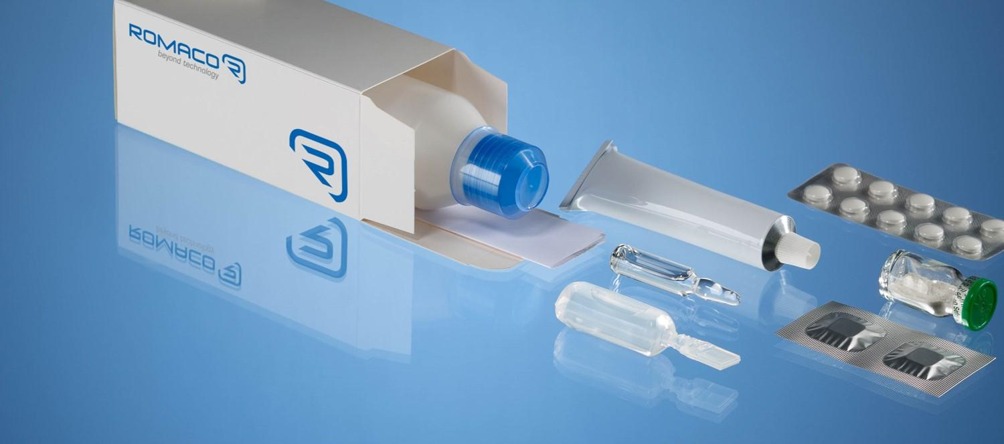
For Fast-Moving Consumer Goods (FMCG) and Fast-Moving Consumer Healthcare (FMCH) brands, retail shelf availability directly impacts market share. As the boundaries between daily nutrition, wellness products, and over-the-counter pharmaceuticals continue to blur, production lines must maintain high-volume output while adhering to strict compliance and presentation standards.
Manual secondary packaging, while flexible for small batches, frequently introduces operational bottlenecks in high-capacity lines. Manual handling is inherently variable, limiting throughput and increasing the risk of structural defects, such as misaligned folds or compromised seals. To mitigate these risks and stabilize operating margins, manufacturers are increasingly transitioning to automated secondary packaging lines. Central to this transition is the integration of automatic cartoning machinery.
Technical Advantages of Automatic Cartoning Systems
Integrating an automatic cartoner into a packaging line replaces human variability with predictable, repeatable mechanical performance.
1. Throughput and Cycle Time Optimization
- Sustained Production Speeds: Depending on the specific product configuration and machine specifications, automated cartoners of long-standing manufacturers such as Romaco reliably process from up to 450 cartons per minute.
- Elimination of Process Pauses: By synchronizing carton feeding, forming, product insertion, and closure into a continuous mechanical loop, these systems eliminate the micro-delays common in manual operations.
2. Structural Accuracy and Material Protection
- Controlled Product Infeed: Automated systems utilize specialized infeed mechanisms to handle fragile items—such as pharmaceutical blister packs, glass vials, or flexible pouches—without causing structural or cosmetic damage.
- Uniform Closure Quality: Precise mechanical folding combined with automated hot-melt glue application ensures consistent carton geometry, crisp creases, and optimal seal strength across full production runs.
3. Labor Allocation and Risk Mitigation
- Reduction of Quality Anomalies: Automating the carton-forming and insertion process lowers the incidence of manual errors, such as missing product literature, incorrect pack counts, or cross-contamination.
- Resource Reallocation: Transitioning from manual packing allows plant managers to reassign personnel to higher-value technical tasks, including line supervision, machinery calibration, and preventative maintenance.
End-to-End Line Integration and ROI
An automatic cartoning machine achieves maximum efficiency when integrated into a continuous production line, communicating directly with both upstream and downstream equipment.
Linking the cartoner to upstream equipment (such as blistering machines or primary fillers) and downstream systems (such as case packers and palletizers) establishes an uninterrupted production flow.
Modern cartoning machinery utilizes programmable logic controllers (PLCs) and sensor arrays to monitor line conditions in real time. If a downstream bottleneck occurs, the cartoner automatically modulates its intake speed to prevent product accumulation and material jams. This level of process control typically allows manufacturing facilities to achieve a full Return on Investment (ROI) within 12 to 18 months.
Strategic Operational Benefits
Upgrading to an automated secondary packaging system provides long-term operational advantages:
- Improved Supply Chain Agility: Shorter packaging cycle times allow manufacturers to respond faster to fluctuating market demands and minimize warehouse storage durations.
- Consistent Brand Presentation: Sharp, uniform carton geometry reinforces consumer trust, which is particularly critical in the FMCH sector where packaging appearance is linked to perceived product quality and safety.
- Scalable Production Capacity: Automated cartoners support continuous multi-shift operations, allowing plants to absorb seasonal demand spikes without the logistical complexities of scaling temporary labor.
- Material Cost Efficiency: High-precision handling and calibrated adhesive application minimize cardboard waste and reduce consumable consumption, supporting corporate waste-reduction targets.
Critical Selection Criteria for Engineering Teams
When evaluating an automatic cartoner for your facility, several technical factors must be prioritized:
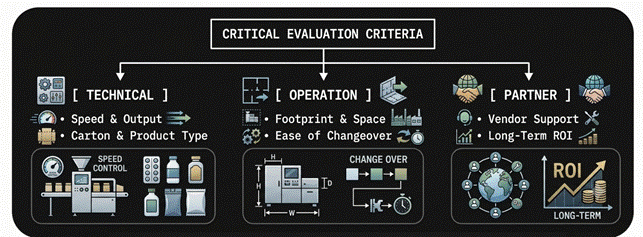
- Technical and Layout Compatibility: The machine’s throughput ceiling must align with upstream output, while its physical dimensions must fit efficiently within existing factory floor space.
- Changeover Flexibility: For facilities running multiple stock keeping units (SKUs), selected machinery should offer rapid, tool-less changeovers to minimize downtime when switching between carton dimensions or closure types.
- Regulatory and Vendor Standards: For healthcare and food applications, machinery should align with relevant industry standards (such as GMP guidelines). Evaluating vendor capabilities regarding remote diagnostics, spare parts availability, and technical service is essential to minimizing total downtime.
- Total Cost of Ownership (TCO): A comprehensive capital expenditure evaluation should calculate long-term savings from reduced material scrap, lowered labor dependencies, and the projected operational lifespan (often 10–15+ years) of high-grade industrial equipment.
Conclusion
As market dynamics require faster distribution cycles, manual secondary packaging introduces unnecessary operational risk. Implementing automated cartoning machinery is a proven method for stabilizing throughput, lowering total operational costs, and securing product consistency.
To optimize your secondary packaging operations, explore our technical range of advanced carton packaging machines or contact our engineering department to discuss custom configurations for your line.
Visit More : widemagazine.co.uk
