
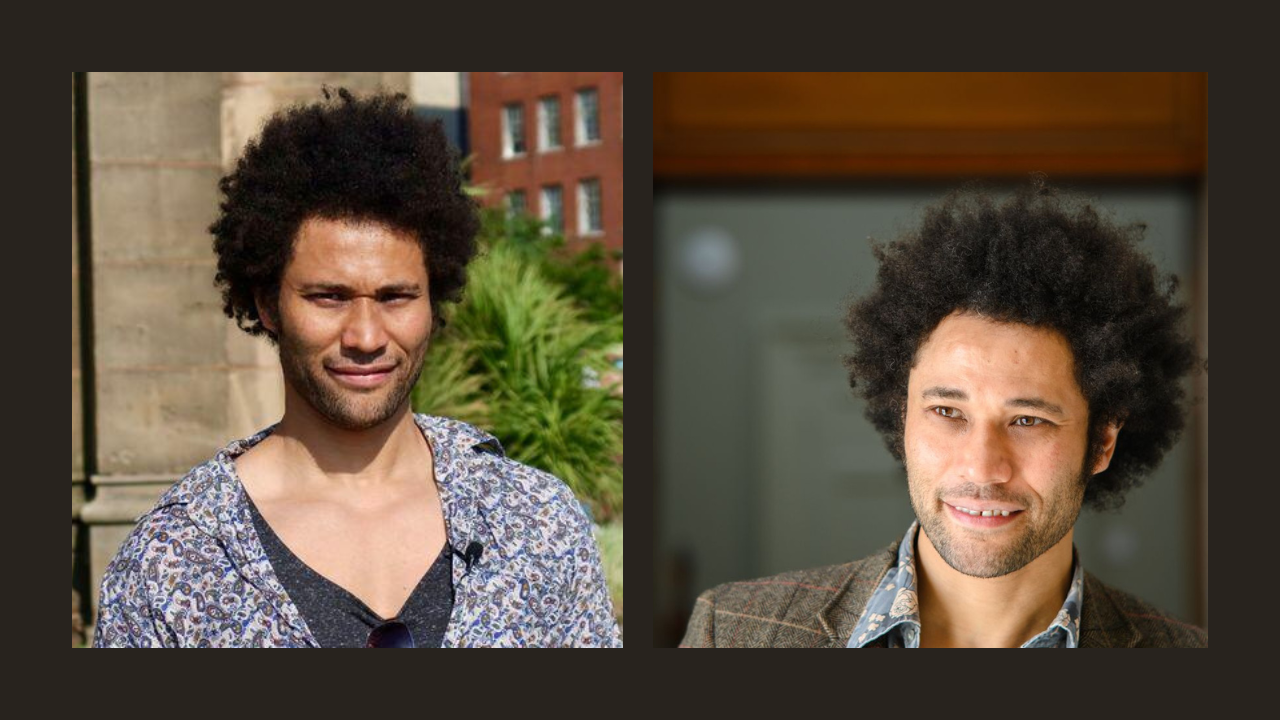
The discussion surrounding laurence westgaph , laurence westgaph allegations has attracted significant public attention, particularly within the United Kingdom’s cultural and academic circles. Laurence Westgaph, known as a historian and educator specializing in Black British history, has been a prominent public figure associated with institutions such as National Museums Liverpool. However, his reputation has come under scrutiny due to a series of serious allegations reported in media investigations.
This article aims to provide a clear, balanced, and fact-based overview of the situation. It explores who Laurence Westgaph is, the nature of the allegations, the timeline of events, responses from involved parties, and the broader implications. Given the sensitivity of the topic, it is important to distinguish between reported claims and verified legal outcomes, while acknowledging the complexity of ongoing discussions.
Who Is Laurence Westgaph?
Laurence Westgaph is a British historian, educator, and public speaker known for his work in promoting awareness of Black British history. He gained recognition through lectures, tours, and collaborations with cultural institutions. His work often focused on highlighting historical narratives related to slavery, colonialism, and the African diaspora in Britain.
Westgaph served as a historian-in-residence at National Museums Liverpool between 2020 and 2024, where he contributed to public education programs and exhibitions. His presence in the public sphere made him a recognizable voice in discussions about race, identity, and history.
Despite his professional achievements, his career has been overshadowed by allegations that have raised concerns about his conduct both personally and professionally.
Overview of the Laurence Westgaph Allegations
The laurence westgaph allegations primarily revolve around claims of abusive behavior made by multiple individuals. Reports indicate that several women accused him of serious misconduct, including abuse, coercion, and stalking.
In addition, some allegations described patterns of controlling behavior and instances of sexual and domestic violence. These claims were brought to public attention through investigative journalism, which compiled testimonies from multiple sources.
It is important to note that Westgaph has denied allegations described as false and defamatory, emphasizing that he disputes the claims made against him. This denial forms a key part of the ongoing debate, highlighting the contested nature of the situation.
Key Details and Laurence Westgaph Timeline of Events
The controversy surrounding Laurence Westgaph developed over time, with several key moments shaping public understanding:
- Pre-2024: Westgaph built his career as a historian and public figure, working with cultural institutions and engaging in public discourse.
- Early 2025: Investigative reports emerged detailing allegations of abuse and misconduct, bringing the issue into the public spotlight.
- February 2025: National Museums Liverpool acknowledged the reports and stated that it had opened an internal investigation into matters related to the allegations.
- Mid-2025: Additional media coverage expanded on the claims, with multiple individuals reportedly coming forward.
- Legal Developments: Westgaph reportedly threatened legal action against media outlets, arguing that the allegations were defamatory and misleading.
This timeline reflects how the issue evolved from isolated claims into a widely discussed controversy involving institutional responses and legal considerations.
Laurence Westgaph Nature of the Claims
The allegations reported in various sources include several serious accusations:
- Claims of abusive and coercive relationships
- Allegations of stalking and harassment
- Reports of sexual and domestic violence
- Assertions of a pattern of controlling behavior
Some reports indicate that multiple individuals made similar accusations, suggesting a broader pattern rather than isolated incidents.
At the same time, it is essential to emphasize that allegations reported in media are not equivalent to legal findings. The available information largely comes from journalistic investigations and testimonies, not court verdicts confirming these claims.
Institutional Response and Investigation
One of the most debated aspects of the laurence westgaph allegations is the role of institutions, particularly National Museums Liverpool (NML).
Following media reports, NML announced that it was aware of certain past issues but had not been informed of the full extent of the allegations at the time of Westgaph’s appointment. The organization initiated an internal investigation and temporarily suspended his involvement.
Later statements suggested that NML believed it had acted appropriately in handling complaints, though critics argued that warning signs may have been overlooked.
This institutional response sparked broader discussions about accountability, vetting processes, and the responsibilities of public organizations when allegations arise.
Legal and Public Disputes
The controversy has also involved legal tensions between Westgaph and media outlets. Reports indicate that he threatened to take legal action against journalists and publications that reported on the allegations, demanding retractions and apologies.
Westgaph has consistently maintained that the allegations are false and damaging to his reputation. This legal stance underscores the contested nature of the case, where claims and counterclaims remain unresolved in the public domain.
At the same time, the legal process has not definitively established the truth or falsity of the allegations, leaving the matter largely within the realm of public debate and institutional review.
Public and Media Reaction
The public response to the laurence westgaph allegations has been mixed and, at times, highly polarized.
Some commentators have expressed concern over the seriousness of the accusations and the need for thorough investigation and accountability. Others have emphasized the importance of due process and caution against drawing conclusions without legal confirmation.
Media coverage has played a significant role in shaping the narrative, with investigative reports bringing forward testimonies and evidence, while also facing pushback from Westgaph’s legal challenges.
Online discussions and community reactions reflect broader societal tensions around issues of misconduct, reputation, and justice.
Impact on Career and Reputation
The allegations have had a profound impact on Laurence Westgaph’s public image and professional standing.
His association with major cultural institutions has been affected, and his role as a public educator has come under scrutiny. The controversy has also influenced how his work and contributions are perceived, with some distancing themselves from his legacy.
For institutions involved, the situation has prompted questions about governance, risk management, and the importance of safeguarding measures.
Broader Implications
Beyond the individual case, the laurence westgaph allegations raise broader issues relevant to society:
- Accountability in public roles: How institutions handle allegations against prominent figures
- Media responsibility: The role of investigative journalism in exposing potential wrongdoing
- Due process: Balancing public interest with fairness to the accused
- Support for alleged victims: Ensuring that individuals feel safe to come forward
These themes extend beyond a single individual and reflect ongoing challenges in addressing misconduct allegations in public life.
Conclusion
The case of laurence westgaph , laurence westgaph allegations remains complex and evolving. While serious claims have been reported by multiple sources, they are contested, and no definitive legal conclusion has resolved the matter publicly.
What is clear is that the situation has sparked important conversations about accountability, institutional responsibility, and the role of media in reporting sensitive issues. As developments continue, it is essential to rely on verified information and maintain a balanced perspective.
Ultimately, this case serves as a reminder of the importance of transparency, fairness, and careful evaluation when dealing with allegations that carry significant personal and societal consequences.
