
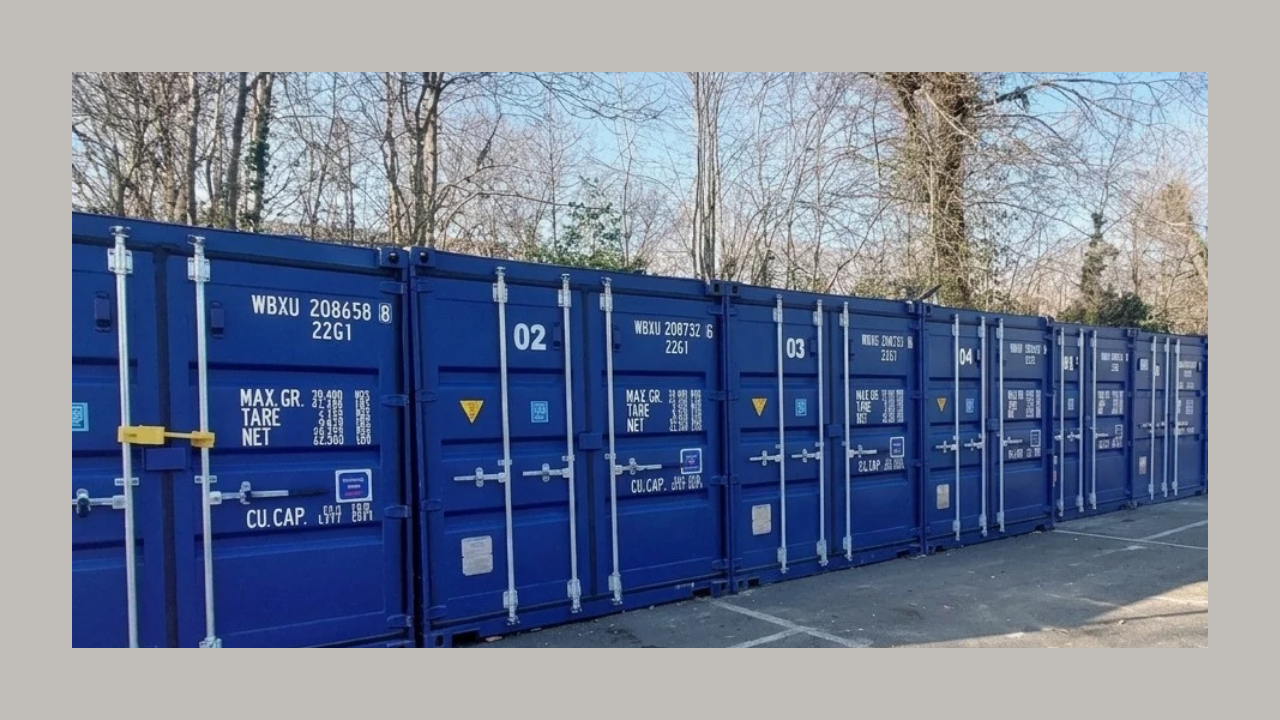
The best business storage in London gives you a secure, dry, easy-to-reach space on terms that can change as your company does. Before you sign anything, check ten points: location, access hours, security, unit size, loading access, build quality, power and lighting, insurance, contract flexibility, and the provider’s track record.
Most businesses only find the weak spot after they have moved stock in. A gate that closes at 6 p.m., a unit up three flights of stairs, or damp cardboard are all common stories. In this post, we’ve covered what to check first, so you avoid paying for a space that slows you down.
Things to Look for When Choosing Business Storage in London!
1. Location and Travel Time
Distance matters more than the price per square foot suggests. A unit that sits 40 minutes away in traffic costs you a van, fuel, and a driver’s time on every trip. Look at your routes first. If your jobs are mostly in west London, a site near the A40 or close to Heathrow will serve you better than one in the east. Also check the congestion charge and ULEZ rules for the roads you use most.
2. Access Hours
Many storage units in London only open during office hours. That works for an archive, but it fails a tradesperson who needs a ladder at 6:30 a.m. or a retailer restocking after a late event. Ask whether access is 24/7 and how the gate works. Some sites use a phone-activated gate, where only registered numbers can open it. That means no waiting for a manager to arrive.
3. Security You Can Verify
A padlock is not a security plan. Ask what protects the whole site, not only your door.
Good signs include:
- A gated entrance with controlled entry
- CCTV that records around the clock
- Well-lit yards
- Containers or units with solid locking points
Ask to see the camera coverage and the lighting at night. A reliable provider will show you.
4. Unit Size and Layout
Too small and you pay twice when stock grows. Too large and you pay for empty air. For reference, a 20 ft by 8 ft container gives you 160 square feet, which is about one and a half garages. That size holds the contents of a typical three-bedroom house, so it suits a small business with pallets, tools, or furniture. Measure your items, stack height included, before you choose.
5. Drive-Up or Stair Access
This one point saves more labor than any other. With drive-up storage, you park at the door and load straight from your vehicle. Stair-access units usually cost less, but every box makes the climb. If you move heavy items, such as tile, tools, or display units, pay for ground-floor access. If you store light files or seasonal stock that you rarely touch, stair access can cut your bill. Either way, confirm that parking is available on site.
6. Condition of the Space
Dampness ruins paper, fabric, electronics, and timber in a matter of weeks. Look inside the unit before you commit.
Check for:
- Clean, dry, watertight walls
- Ventilation that stops condensation
- Insulation that limits temperature swings
- Lining that protects goods from rubbing against bare metal
New or purpose-built containers tend to hold up better than reused shipping boxes. Ask how old the units are.
7. Power and Lighting
Few people ask about this, and many regret it. A dark unit makes it hard to find the right box, and a unit with no power makes it impossible to charge a drill or test a product. Look for units with built-in lighting and an outlet you can use while you are inside. This matters most for tradespeople, market sellers, and e-commerce teams that pack orders on site.
8. Insurance and Liability
Here is a hard truth: the facility’s own cover usually protects the building, not your goods. Check what the provider’s policy says about theft, fire, and flooding. Ask whether goods protection is available and what the limits are. Compare this with your existing business policy, because some policies cover stock only while it sits at your registered address. Your insurer can clear this up in one call.
9. Contract Flexibility
Business needs shift fast. A seasonal retailer may need space for four months, while a contractor may want it for a single project. Read the notice period, the minimum term, and the deposit rules. Look for monthly rolling terms and a clear process for moving to a bigger or smaller unit. Hidden fees are a red flag, so ask for a full price in writing.
10. Reputation and Support
Reviews tell you what a brochure will not. Read recent comments, and look for patterns about cleanliness, gate reliability, and how quickly the team answers. Check that you can reach a real person. Office hours matter if you need to change a booking, even if site access runs all day.
Bottom Line
Good business storage saves hours every week and protects stock that took months to build. Weigh location, access, security, size, and contract terms against how your team really works, and you will avoid most of the common mistakes.
If you want secure, drive-up units across the capital and beyond, contact WOW Storage now.
FAQs
What size storage unit does a small business need?
Most small businesses start with a 20 ft by 8 ft container, which offers 160 square feet. That fits the contents of a typical three-bedroom house, so it handles stock, tools, and equipment for many teams.
Is 24/7 access important for business storage?
Yes, if your work runs outside office hours. Round-the-clock access lets you load before a job or restock after an event without waiting for staff.
How secure is container storage in London & Hertfordshire?
Container storage in London & Hertfordshire is secure when the site has a gated entrance, 24-hour CCTV, good lighting, and solid locks. Always ask to see the camera coverage before you book.
Do I need insurance for goods in a storage unit?
You should have it. A facility’s cover often protects the building, not your stock, so confirm that your own policy or a goods protection plan covers theft, fire, and flooding.
What is the difference between drive-up and stair-access units?
Drive-up units let you park at the door and load from your vehicle. Stair-access units cost less but need more carrying, so they suit light, rarely used items.
How do I stop dampness in a storage unit?
Choose ventilated, insulated, watertight units, and avoid placing cardboard directly on the floor. Raise items on pallets and leave small gaps for airflow.
