
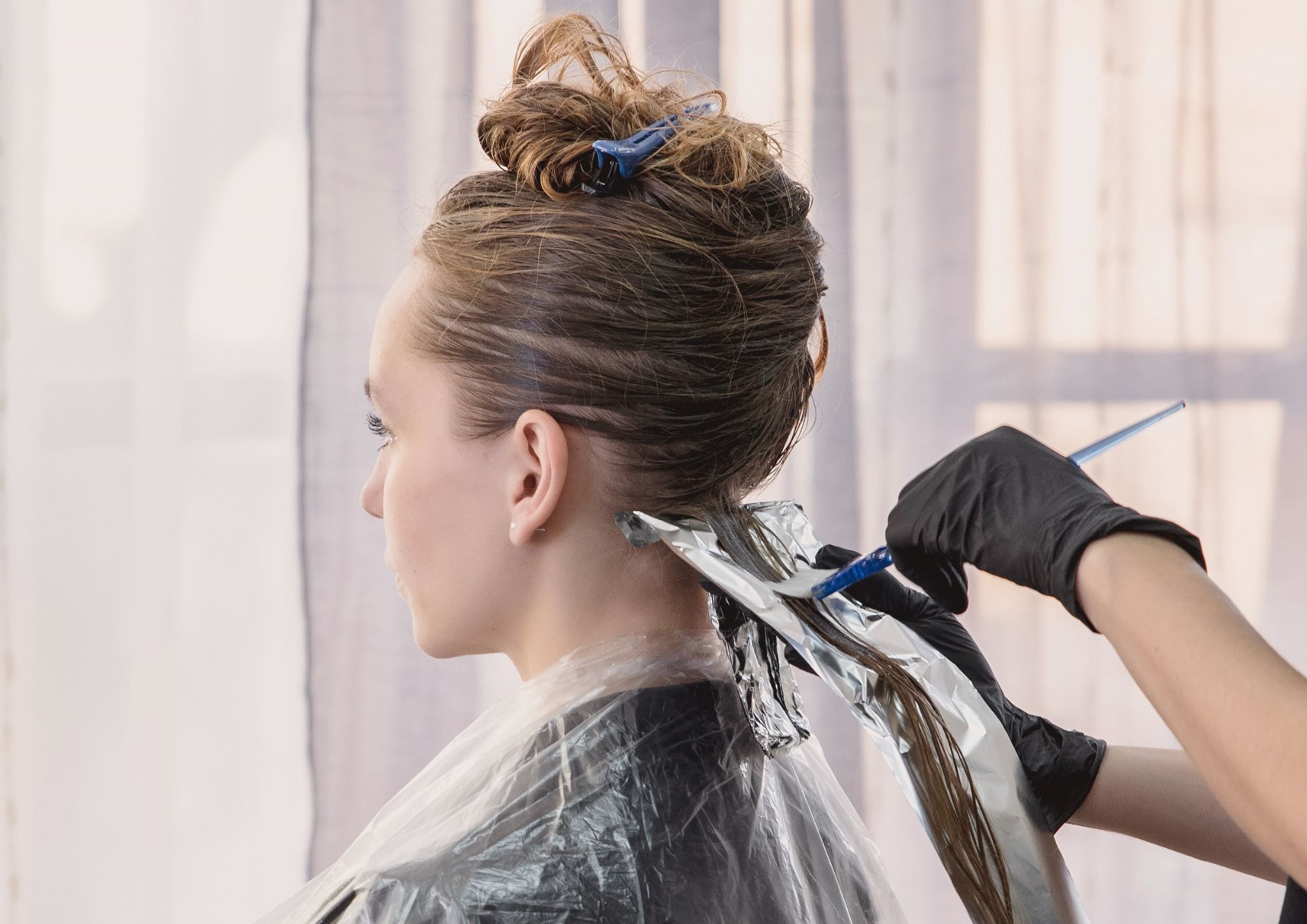
Hair colour often fades more quickly at the tips because those sections are older and experience higher levels of daily friction and chemical exposure. Roots are newer and retain pigment better due to natural scalp oils and a smoother outer layer. Understanding this difference helps maintain a balanced tone.
Have you ever wondered why fresh dye looks dull at the tips after a few weeks? Many people struggle with uneven fading and assume their dye brand is at fault. Questions often arise about daily washing habits and styling tools causing this shift.
Why Does Hair Colour Fade Faster at the Ends Than at the Roots?
Hair dye fades rapidly at the ends because those older strands suffer from structural wear and tear over time. The outer protective layer of the hair becomes rough, allowing artificial pigment molecules to slip out easily.
Healthy roots stay sealed and hold onto colour pigments much longer than weathered tips. Environmental exposure and styling routines speed up this pigment loss at the bottom of the hair shaft.
Key Reasons for Faster Fading at the Ends
Porosity and Cuticle Condition
The ends of your hair are the oldest, most weathered part of the strand. They have experienced more washing, heat styling, and chemical treatments over time, causing the cuticle layer to become damaged and porous. This increased porosity allows colour to be absorbed quickly but also released rapidly, leading to faster fading at the ends compared to the healthy, smoother-cuticled roots.
Damaged outer layers act like a sponge that drops moisture and colour just as fast as it takes them in. Restoring hair health involves sealing that outer layer with targeted treatments. Professionals at Vibrant Salon and Spa often perform a detailed assessment during a consultation to check structural integrity. You can find more details by visiting https://www.vibranthairspa.com online to understand professional maintenance standards.
Water Quality and Mineral Buildup
Hard water minerals can gradually accumulate on the hair cuticle, interfering with colour reflection and creating dullness. This mineral buildup occurs more easily on the porous ends, resulting in uneven fading from roots to tips. Using a chelating shampoo or installing a shower filter can help remove these mineral deposits.
The age of the hair plays a significant role in this process. New growth at the root area features a smooth and flat cuticle state with low mineral retention. In contrast, the oldest growth at the end area features a raised and worn cuticle state with high mineral retention, which explains why the lower sections attract more buildup over time.
Heat Exposure
The thin, vulnerable ends of the hair absorb heat from styling tools faster than the thicker roots. This gradual heat damage breaks down colour molecules and increases porosity, causing quicker fading at the ends. Proper use of heat protectants and lower styling temperatures can minimize this type of colour fade.
High temperatures open up the hair structure further, letting trapped molecules escape into the air. Reducing the temperature on blow dryers and irons preserves the lifespan of the dye.
UV Exposure
Sunlight and other UV rays can also contribute to faster colour fade, especially on the exposed ends. The UV rays break down the artificial pigments, causing lighter tones to become dull and brassy over time. Protecting your hair with hats, scarves, or UV-blocking sprays can help preserve colour vibrancy.
Natural light breaks chemical bonds inside the strand. Wearing protective accessories during long outdoor periods keeps the tone true.
Maintaining Even Color From Roots to Ends
To combat uneven colour fading, Kristen, the hairstylist and owner of www.vibrantsalonandspa.com, recommends adopting a comprehensive haircare routine tailored to colour-treated hair. Small adjustments to your daily regimen can help prevent the ends from losing pigment prematurely.
- You should use a sulfate-free, colour-protecting shampoo and conditioner to clean strands gently without stripping natural oils or artificial dyes.
- It helps to apply weekly deep conditioning or bond-building treatments to strengthen the ends and seal the outer layer against pigment loss.
- Limiting heat styling and always using a heat protectant spray before using flat irons or curling wands prevents thermal damage.
- Protecting hair from UV exposure with hats, scarves, or specialized UV-blocking mays when spending time outdoors safeguards the artificial pigments.
- Reducing washing frequency and using dry shampoo between washes keeps natural oils protecting the mid-lengths and tips.
- Getting regular trims removes the most damaged, porous ends that refuse to hold onto dye.
By understanding the factors that contribute to faster fading at the ends and taking proactive steps to address them, you can maintain vibrant, even colour from root to tip for longer. Proper upkeep bridges the gap between salon visits and keeps your hair looking healthy.
Visit More : widemagazine.co.uk
