
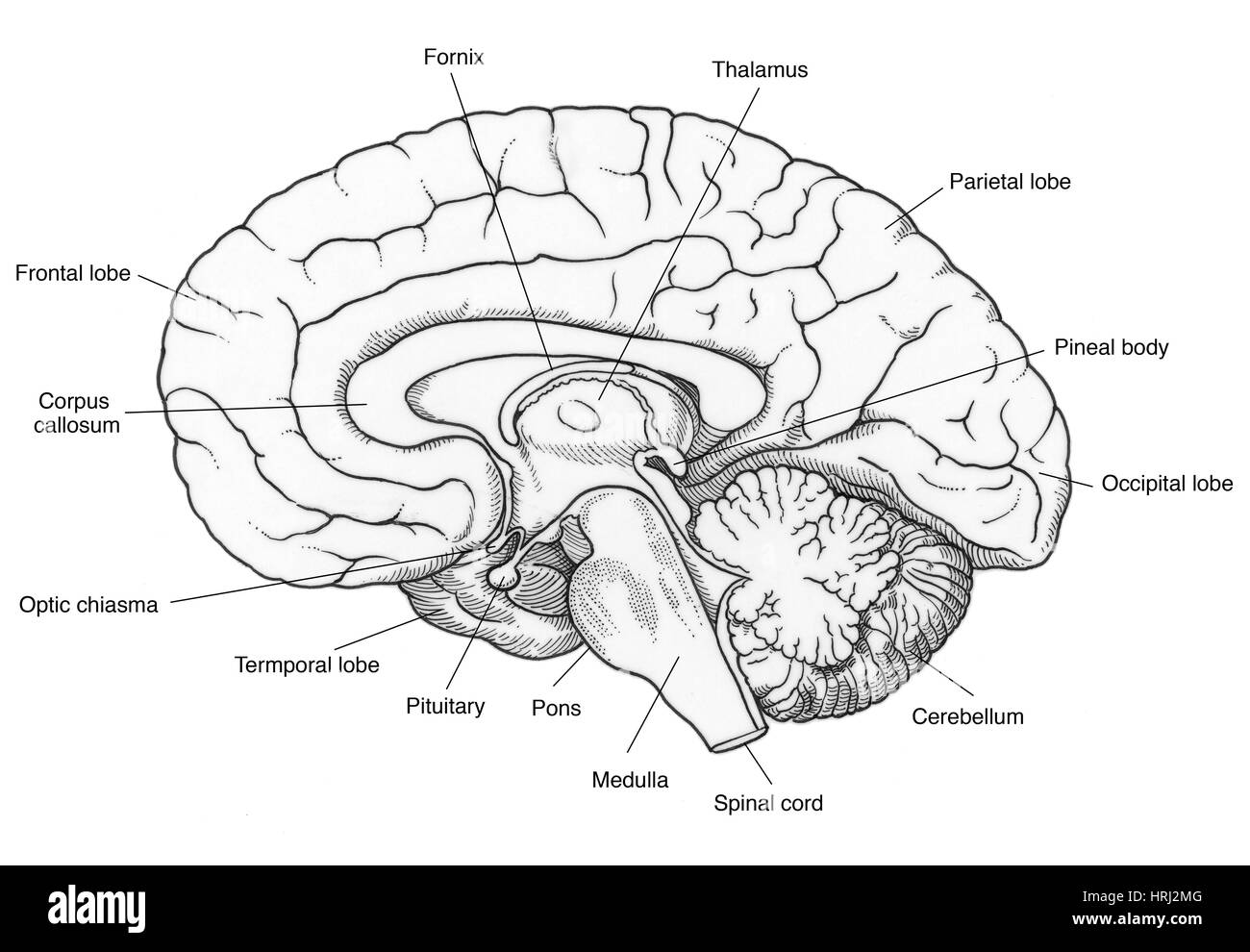
For a long time, we talked about stress as if it were just a “feeling”—something invisible that happened in our minds. However, thanks to modern neuroimaging tools like MRI and fMRI, we can now see that chronic stress is a physical reality. For individuals following high-profile cases like the BetMGM lawsuit, the constant media coverage and public scrutiny can trigger chronic stress, impacting brain regions such as the prefrontal cortex and amygdala. It acts like a slow, silent sculptor, physically changing the shape and size of specific brain regions. When we are under constant pressure, our brain structure actually shifts to prioritize survival over logic and memory. This explains why, when we are overwhelmed, we struggle to think clearly or remember small details. Understanding these changes is the first step toward healing. Many people are now looking into how to do a vagus nerve reset as a way to physically signal to the brain that it is time to stop this “sculpting” process and return to a state of growth and repair.
The Shrinking Center: The Prefrontal Cortex
The prefrontal cortex (PFC) is the brain’s “executive suite.” It is responsible for high-level tasks like impulse control, complex planning, and focusing on a single goal. Neuroimaging studies have consistently shown that chronic stress leads to a decrease in “gray matter” volume in this area. In simple terms, the PFC begins to thin out.
When this region loses volume, it becomes harder to stay “grounded.” You might find yourself more impulsive, struggling to make simple decisions, or feeling like your “mental battery” is always low. Stress also severs the microscopic connections—the synapses—that allow the PFC to talk to the rest of the brain. This creates a disconnect where your logical mind knows you should be calm, but your physical brain is struggling to send that message.
The Hypertrophic Alarm: The Amygdala
While the logical part of the brain tends to shrink under stress, the emotional part does the opposite. The amygdala is your brain’s “smoke detector,” responsible for identifying threats and triggering the fear response. Under chronic pressure, scans show that the amygdala can actually grow larger. This process is called hypertrophy.
A larger amygdala means a more sensitive alarm system. When this region is “overgrown,” you become hyper-vigilant—constantly scanning your environment for what might go wrong. Even when there is no immediate danger, neuroimaging shows that a stressed amygdala remains highly active. This creates a cycle of reactivity where your brain stays in “survival mode” long after the actual stressor has disappeared, making it feel like you are always on edge.
The Vulnerable Vault: The Hippocampus
The hippocampus is the part of the brain dedicated to memory and learning. It is also one of the most sensitive areas to cortisol, the primary stress hormone. Because the hippocampus is packed with cortisol receptors, it is often the first place to show wear and tear from long-term pressure.
Brain scans of individuals experiencing prolonged stress or trauma often reveal a noticeable reduction in hippocampal volume. This physical shrinkage explains why it is so difficult to learn new skills or remember information when you are burnt out.
Furthermore, a smaller hippocampus makes it harder for the brain to distinguish between a past scary memory and your present safety. This is why a stressful event from years ago can sometimes feel like it is happening all over again today.
White Matter and the Brain’s Wiring

Beyond the “gray matter” where processing happens, the brain also contains “white matter”—the communication cables that connect different regions. These cables are wrapped in a protective coating called myelin, which helps signals travel fast and clear.
Recent research has found that chronic stress disrupts the balance of this wiring. Stress can cause an overproduction of myelin-producing cells in some areas while weakening others. This imbalance affects how quickly and accurately signals move through the brain. Think of it like a highway system where some roads are overbuilt and crowded, while others are falling apart. This disruption can lead to “brain fog” and a feeling that your thoughts are moving through molasses.
Reversing the Damage through Neuroplasticity
While the physical impact of stress is significant, it is not a life sentence. The most beautiful discovery in modern neuroscience is that the brain is dynamic and capable of repair. This is known as neuroplasticity. The same brain that “shrank” under pressure can “re-grow” under the right conditions.
Studies have shown that intentional recovery practices—such as mindfulness, consistent aerobic exercise, and strong social connections—can actually increase volume in the prefrontal cortex and the hippocampus. When we prioritize “downtime,” we aren’t just being lazy; we are providing the biological necessity for neural repair.
By intentionally slowing down, we give the brain the resources it needs to rebuild its logical centers and calm its overactive alarm systems.
Final Word
Chronic stress is more than a mood; it is a physical condition with visible markers on a brain scan. Seeing these changes in neuroimaging helps us realize that our struggles with focus, memory, and anxiety aren’t personal failures—they are biological responses to a high-pressure environment. However, knowing that our brain structure is flexible gives us immense power. By treating our brain health with the same care we give our physical bodies, we can reverse the sculpting effects of stress. A focused, grounded, and resilient mind is something we can actively cultivate, one restful moment at a time.
