
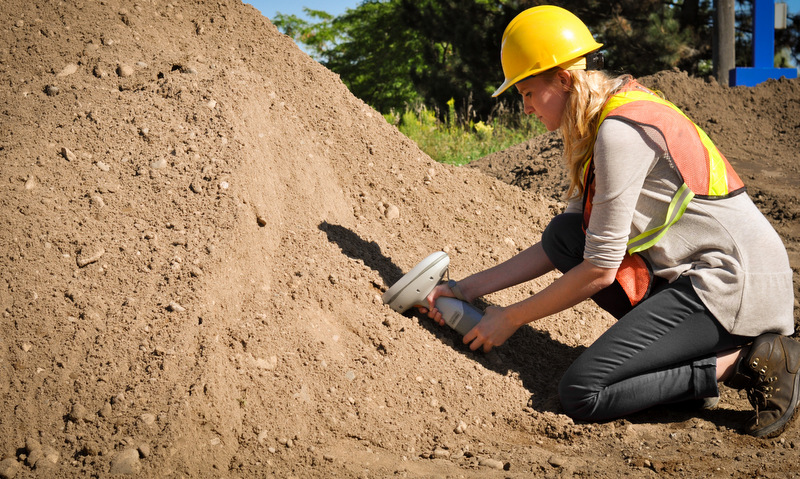
What happens when a contaminated site must be restored to a safe and usable condition? Many environments face risks from hazardous materials, spills, or biological contamination. Restoring these spaces requires careful planning and precise methods based on science.
Advanced site remediation focuses on removing dangers while protecting both people and the environment. It uses tested protocols to ensure that every step is safe and effective. Without proper processes, contamination can remain and cause long-term harm.
This article explains how scientific protocols guide remediation and what readers can learn about restoring safe environments. Keep reading to learn more!
Understanding Site Contamination
When harmful substances damage land or buildings, this is called site contamination. Chemicals, waste, and biological materials are common sources of contamination. The first step in cleanup is to figure out what kind of contamination there is.
The level of risk can be figured out with the help of accurate assessment. To find out how much contamination there is, testing methods are used. This information tells us how to clean up.
Risk Assessment and Planning
A thorough risk assessment is done before the cleanup starts. In this step, possible risks to people and the environment are assessed. It helps put tasks and resources in order of importance.
Planning makes sure that the path for fixing things is clear and safe. Experts make plans based on how the site is set up. Planning ahead cuts down on mistakes and boosts productivity.
Use of Specialized Equipment
For advanced remediation, you need special tools and gear. These tools help get rid of contaminants in a safe and effective way. They also keep workers safe during the process.
Filtration systems, protective gear, and cleaning tools are some examples of equipment. Each tool is used for a specific task during the cleanup. When used correctly, results are better.
Scientific Cleaning Methods
Scientific methods are used to break down or remove harmful substances. These methods are based on research and tested procedures. They ensure that contamination is treated correctly.
In many cases, professionals rely on services such as Bio-One Crime Scene Cleanup Services to handle sensitive environments that require strict protocols and careful attention to detail. These approaches support thorough and safe remediation.
Monitoring and Quality Control
It’s important to keep an eye on the remediation process at all times. It makes sure that the cleanup is going as planned. If changes need to be made, they can be made.
Checks for quality control make sure that the site meets safety standards. These checks help make sure that the contamination has been taken care of. This step is necessary for the final OK.
Restoring Environmental Safety
The final goal of remediation is to restore safety and usability. This includes making the site safe for people and the environment. Proper restoration supports long-term stability.
Once cleanup is complete, the site can be reused or redeveloped. This adds value and reduces environmental risks. Effective remediation benefits both communities and ecosystems.
Advancing Safety Through Scientific Remediation Practices
For advanced site remediation to make things safe again, protect the environment, and guarantee long-term stability, it uses scientific protocols. Getting good results requires doing each step carefully, from assessing to continually checking on progress. Using the right tools, methods, and planning can help clean up contaminated areas in a safe and thorough way.
Gaining knowledge of these processes helps show how important accuracy and care are in restoration work. Using the right method, even very sensitive areas can be successfully restored.
Did you like this guide? Great! Please browse our website for more!
